2026 Top Stainless Steel Round Pipes Trends and Innovations?
As industries evolve, so do the materials that shape them. Stainless Steel Round Pipes are at the forefront of these changes. According to Dr. Emily Chen, a leading expert in materials science, “The future of stainless steel round pipes lies in innovation and sustainability.” This insight underscores the importance of trends in production and application.
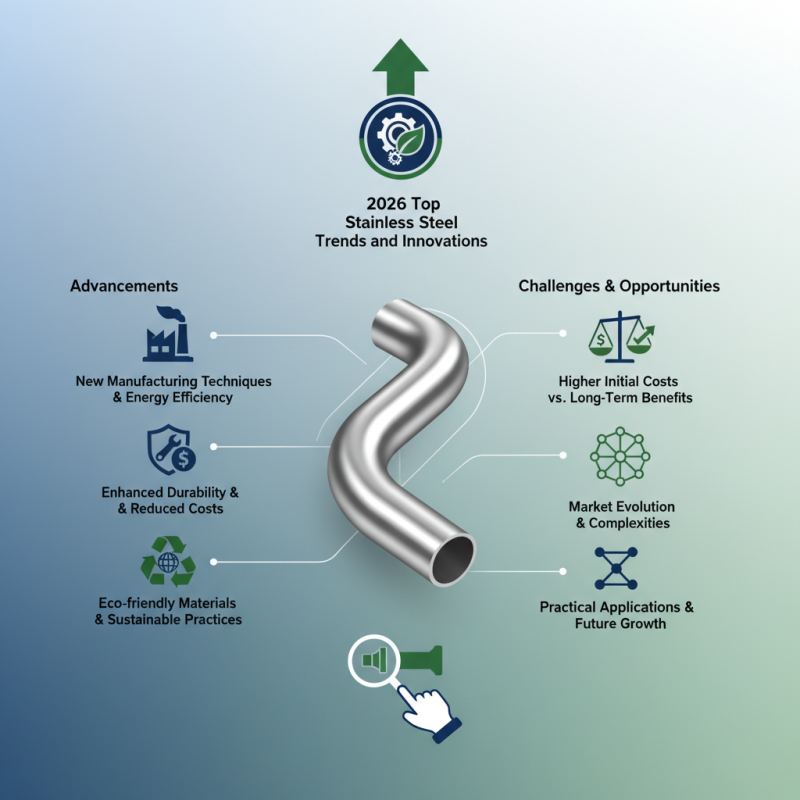
The market for Stainless Steel Round Pipes is witnessing significant advancements. New manufacturing techniques enhance durability and reduce costs. Energy efficiency in production is becoming a priority. Furthermore, the demand for eco-friendly materials is on the rise. These trends reflect a shift towards sustainable practices.
However, the industry faces challenges. Some innovations may lead to higher initial costs. Stakeholders must weigh these against long-term benefits. As the market evolves, it is crucial to address these complexities. Reflection on practical applications can guide future developments in Stainless Steel Round Pipes. Each improvement presents an opportunity for growth and adaptation.
Overview of Stainless Steel Round Pipes in 2026
In 2026, the stainless steel round pipes industry is poised for significant advancements. Innovations in manufacturing processes and material compositions will provide enhanced durability and resistance to corrosion. According to a recent industry report by MarketsandMarkets, the market size for stainless steel round pipes is projected to reach USD 25 billion by 2026, growing at a CAGR of 5.8%. This growth reflects the increasing demand in construction, automotive, and industrial sectors.
The shift towards sustainable and eco-friendly materials presents both opportunities and challenges. Stainless steel is recyclable, yet the industry faces scrutiny regarding energy-intensive production methods. Efforts to develop more efficient recycling processes could change this narrative. Moreover, a focus on improving welding techniques is expected to reduce material waste during fabrication, according to a study by Research and Markets.
Despite the positive outlook, the industry requires reflection on current practices. The reliance on specific alloys can lead to supply chain vulnerabilities. Diversifying raw material sources may mitigate risks. Additionally, understanding the lifecycle impact of production and usage remains an area that needs attention. As the industry evolves, balancing innovation and sustainability will be crucial for long-term success.
2026 Top Stainless Steel Round Pipes Trends and Innovations
Key Trends Influencing the Stainless Steel Industry
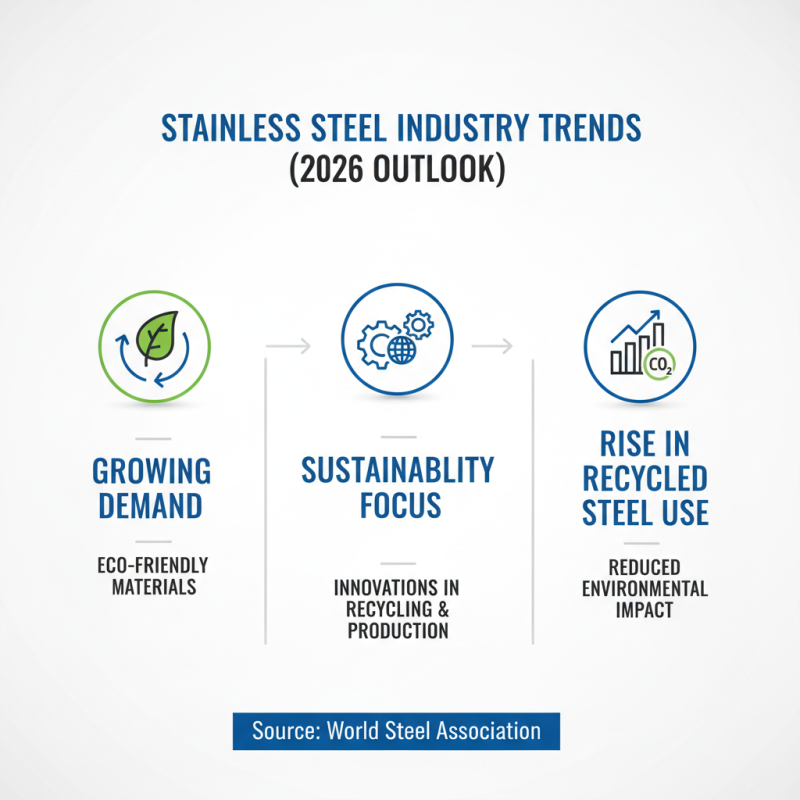
In recent years, the stainless steel industry has witnessed significant changes driven by various trends. One key trend is the growing demand for eco-friendly materials. According to the World Steel Association, the industry's focus on sustainability has led to innovations in recycling and production processes. In 2026, we expect a rise in the use of recycled stainless steel, which will help reduce environmental impact.
Another trend influencing the market is the shift towards smart manufacturing technologies. This includes the adoption of automation and IoT solutions in production lines. A report from Mordor Intelligence indicates that the market for smart manufacturing technologies in the stainless steel sector is projected to grow by over 14% annually through 2026. Manufacturers who embrace these technologies will likely gain a competitive edge.
Tip: Consider optimizing your production processes with the latest technologies. This not only boosts efficiency but also enhances product quality.
The demand for specialized stainless steel products is also on the rise. Industries such as aerospace and healthcare are seeking high-performance materials that can withstand extreme conditions. However, the high cost of advanced alloys can pose financial challenges. Companies need to evaluate their budgets carefully to balance quality and expenses.
Tip: Explore collaborations to share resources and reduce production costs. Strategic partnerships can open doors to new solutions and innovations.
Innovative Manufacturing Techniques for Round Pipes
Innovative manufacturing techniques for stainless steel round pipes are transforming the market. The latest industry reports highlight a significant shift towards automation and advanced welding methods. These innovations improve efficiency and reduce production costs by up to 20%. In addition, new alloy compositions have emerged, enhancing the durability and corrosion resistance of the pipes.
3D printing is making waves in pipe manufacturing. This technique allows for customized designs without extensive lead times. Recent studies show that 3D printing can lower material waste by as much as 30%. However, challenges remain. The quality control of 3D-printed pipes needs further assessment, and it raises questions about regulatory compliance.
Another exciting innovation is the integration of smart technology in production processes. Smart sensors can monitor quality in real-time. This helps identify defects earlier, reducing costly rework. However, there are concerns about cybersecurity with this technology. As the industry evolves, these innovations will need to be balanced with the risks they introduce.
Sustainability Practices in Stainless Steel Production
Sustainability is transforming stainless steel production. Recent studies show that steelmaking accounts for about
7% of global carbon emissions. This alarming figure urges industry players to adopt greener practices. Many facilities aim to reduce energy consumption by
15-20% per ton of steel produced.
Innovations in recycling are vital. The recycling rate for stainless steel is near
90%. This high percentage minimizes raw material extraction. Industries are investing in technologies that enhance the recovery of scrap stainless steel. However, not all plants efficiently process recycled materials.
Water usage also presents challenges. Freshwater consumption in stainless steel production can reach
200 gallons per ton. This raises concerns in regions facing water scarcity. Companies are exploring closed-loop systems. These systems recycle water, cutting waste and conserving resources. Yet, implementations may not be widespread. There’s a need for broader adoption and better practices.
Market Applications and Demand Forecast for 2026
The demand for stainless steel round pipes is steadily rising across various sectors.
Construction, automotive, and food processing industries are key areas driving this trend.
Increased durability and corrosion resistance of stainless steel make it ideal for these applications.
As we approach 2026, the demand forecast remains positive.
Tips:
Consider the long-term benefits when investing in stainless steel pipes.
Look for suppliers with a good reputation. This ensures quality and reduces future maintenance costs.
Innovations in manufacturing processes have also been important.
Techniques such as advanced welding and surface treatment enhance the performance of stainless steel pipes.
However, challenges remain. Some manufacturers struggle to keep up with evolving standards.
This inconsistency can lead to subpar products in the market.
Tips:
Always inquire about the certifications of the products.
Not all manufacturers meet industry standards. Being vigilant can save you time and money in the future.

 Angle Steel
 Channel Steel
 Universal Beam (l-Beam)
 H-Beam Steel
 Galvalume Steel Coil
 Galvalume Steel Sheet
 Galvanized Steel Sheet
 Color Coated Plate
 Stainless Steel Bar
 Stainless Steel Pipe
 Steel Bar
 Wire Rope
 Carbon Steel Pipe
 Carbon Steel Plate
 Aluminum Plate
 Aluminum Coil
 Aluminum Pipe
 Aluminum Bar
 Magnesium Ingot
 Fasteners