2026 Top Trends for Stainless Square Pipe in Construction?
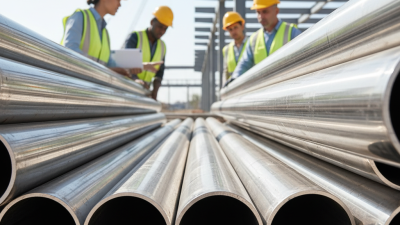
The construction industry is evolving rapidly, and one material stands out: Stainless Square Pipe. As we look ahead to 2026, several key trends will shape its use and application. Stainless Square Pipe offers durability, aesthetic appeal, and resistance to corrosion, making it an attractive option in various construction projects.
One emerging trend is the emphasis on sustainable building practices. Many architects and builders seek materials that are not only effective but also environmentally friendly. Stainless Square Pipe aligns with these values, especially when sourced responsibly. Additionally, the growing interest in architectural design highlights the versatility of this material. However, challenges such as cost management and sourcing high-quality supplies remain.
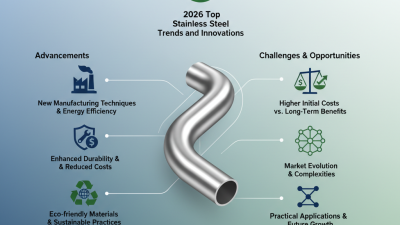
Innovation in technology is another crucial factor. Advancements in manufacturing techniques have improved the efficiency of Stainless Square Pipe production. Yet, the industry must reflect on the implications of these changes. As we adapt to new technologies, we must also consider the environmental impact. The future of Stainless Square Pipe in construction is bright but requires careful consideration.

Emerging Applications of Stainless Square Pipe in Modern Construction
Stainless square pipes are gaining traction in modern construction. Their unique design and durability make them adaptable for various applications. Architects and engineers are finding new ways to incorporate these pipes into buildings and structures. They can be utilized in facades, frames, and support systems, enhancing both aesthetics and functionality.
Tips for using stainless square pipes include considering their weight and strength. Be mindful of how they interact with other materials. Proper support and connection points are crucial to avoid failures. It's beneficial to analyze how these pipes can complement existing design elements.
Another emerging use is in sustainable construction. Stainless square pipes resist corrosion and can last for decades. This longevity contributes to lower maintenance costs. However, the initial investment might be higher than other materials. Reflect on the long-term benefits versus short-term expenses. Balancing the budget is essential in the decision-making process.
Sustainability Trends Impacting Stainless Square Pipe Usage
The construction industry is witnessing a significant shift towards sustainability.
Stainless square pipes are becoming increasingly popular due to their eco-friendly attributes. According to a recent market analysis, the demand for sustainable materials has surged by 45% over the past two years. This trend is influencing construction projects globally.
Recycling plays a crucial role in this shift. Stainless steel is 100% recyclable. This property minimizes waste and energy consumption. Many projects are now sourcing reclaimed materials. This has reduced their carbon footprint significantly. In fact, utilizing recycled stainless steel can cut greenhouse gas emissions by up to 70%.
Tip: Consider sourcing locally to reduce transportation emissions. Every small step counts towards a greener future.
Another point of reflection is the lifecycle impact of materials. While stainless square pipes are durable and long-lasting, their production still involves energy-intensive processes. Designers and builders need to weigh these impacts against the benefits of longevity. Innovations in energy-efficient production methods are essential to further enhance sustainability in construction.
Tip: Always evaluate the full lifecycle of materials in your projects. This ensures that sustainability is prioritized at every stage.
Innovative Manufacturing Techniques for Stainless Square Pipe
Innovative manufacturing techniques for stainless square pipe are revolutionizing the construction industry. Advanced welding methods are now commonly used, ensuring strong joints with minimal heat input. This approach enhances the durability of the pipes while reducing energy consumption during production.
3D printing is gaining traction too. This technology allows for customized pipe designs that cater to specific construction needs. It can also reduce waste and enhance production speed. However, some challenges arise, like the initial cost of investment and the need for skilled operators.
Tips: When considering stainless square pipes, pay attention to the finish. A smooth finish can improve aesthetic appeal and corrosion resistance. Also, evaluate the manufacturing source carefully. Quality control can vary widely, impacting the final product. Be aware; not all techniques yield the same benefits. Choose wisely for better long-term performance.
2026 Top Trends for Stainless Square Pipe in Construction
| Trend |
Description |
Innovative Techniques |
Expected Impact |
| Sustainability |
Increased use of recycled materials in stainless square pipe production. |
Advanced recycling techniques and life cycle assessment. |
Reduction in carbon footprint and promotion of green construction. |
| Automation |
Integration of robotics in the manufacturing process. |
Robotic welding and automated quality inspections. |
Increased efficiency and reduced human error. |
| Customization |
Tailored designs for specific construction needs. |
3D printing and CNC machining. |
Enhanced project outcomes and customer satisfaction. |
| Digital Transformation |
Adoption of digital tools and platforms for procurement. |
Blockchain for supply chain transparency. |
Improved trust and efficiency in supply chain management. |
| Lightweight Materials |
Development of lighter stainless steel alloys. |
Metal additive manufacturing techniques. |
Lower transportation costs and easier handling on site. |
Market Demand and Growth Predictions for Stainless Square Pipe
The construction industry is witnessing a notable surge in demand for stainless square pipes. This rise is largely driven by their durability and resistance to corrosion. Many builders prefer these materials for structural frameworks. As urbanization grows, so does the need for high-quality construction materials. Stainless square pipes are versatile and reliable.
Market growth predictions for these pipes indicate a steady upward trend. By 2026, the market may expand significantly. This growth may be fueled by increased infrastructure projects worldwide. However, there are challenges. Price volatility of stainless steel can impact demand. Builders must be cautious about their choices.
Moreover, sustainability is a growing concern. Eco-friendly options are becoming popular among construction firms. The demand for recycled stainless steel is expected to increase. Even with positive projections, companies need to remain adaptable. The market is never static. Embracing innovation could be key to success in the coming years.
Regulatory Influences on the Use of Stainless Square Pipe in Building Projects
In recent years, regulatory influences have shaped the use of stainless square pipe in construction. Building codes are evolving. Many regions now mandate specific grades of stainless steel for durability and safety. This is especially true in high-demand areas, like urban centers.
Non-compliance can lead to project delays. Builders must stay updated with local regulations. It’s not uncommon for projects to face scrutiny during inspections. Failure to meet standards might result in costly penalties. Additionally, ensuring that all materials comply can be a daunting task for contractors.
However, there are gaps in knowledge. Many builders still lack awareness of new regulations. This rarely discussed issue often leads to misunderstandings between contractors and regulatory bodies. It’s crucial for stakeholders to engage in ongoing education. Regular workshops can bridge these knowledge gaps. Ensuring everyone is on the same page will improve project outcomes in the long run.
2026 Top Trends for Stainless Square Pipe in Construction
This chart illustrates the top trends influencing the use of stainless square pipe in construction projects for 2026. The trends are measured by their influence percentage, reflecting the priorities in modern building practices.

 Angle Steel
 Channel Steel
 Universal Beam (l-Beam)
 H-Beam Steel
 Galvalume Steel Coil
 Galvalume Steel Sheet
 Galvanized Steel Sheet
 Color Coated Plate
 Stainless Steel Bar
 Stainless Steel Pipe
 Steel Bar
 Wire Rope
 Carbon Steel Pipe
 Carbon Steel Plate
 Aluminum Plate
 Aluminum Coil
 Aluminum Pipe
 Aluminum Bar
 Magnesium Ingot
 Fasteners