Top 10 Benefits of Using Stainless Square Pipe in Construction and Design?
In modern construction and design, the use of Stainless Square Pipe has gained significant traction. Renowned expert, Dr. John Smith, states, “Stainless Square Pipe offers unparalleled durability and strength in various applications.” This statement highlights the material's essential role in contemporary projects.
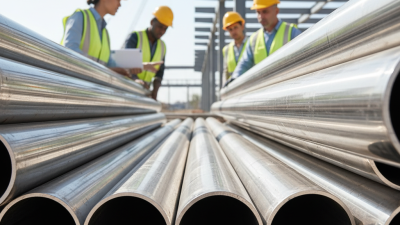
Stainless Square Pipe stands out for its versatility. Its applications range from structural support to decorative elements. Architects and engineers appreciate its aesthetic appeal as much as its functional benefits. The material is resistant to corrosion, making it ideal for outdoor and industrial uses. Furthermore, its lightweight nature simplifies installation processes.
Despite its advantages, there are challenges to consider. The initial cost of Stainless Square Pipe can be higher than other options. Additionally, specific welding techniques are required, which may complicate projects. However, the long-term benefits often outweigh the initial investment, making it a worthy choice for innovative designs. With the upcoming events like the 139th Canton Fair showcasing advanced materials, the future for Stainless Square Pipe looks promising.

Advantages of Stainless Square Pipe in Structural Applications
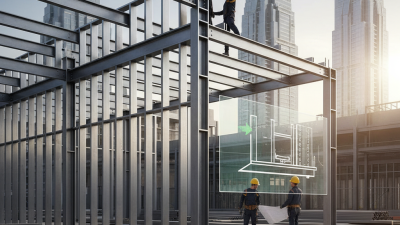
Stainless square pipe offers significant benefits in structural applications. Its strength and durability make it an ideal choice for various construction projects. This type of pipe resists corrosion, which is crucial in harsh environments. For example, outdoor structures can withstand weather changes without compromising integrity.
Another advantage is its aesthetic appeal. Stainless steel has a sleek finish that enhances modern designs. Architects appreciate its versatility and ability to blend with different materials. However, some may find its cost higher than alternatives. This can be a drawback for budget-conscious projects. Yet, the long-term savings on maintenance often justify the initial investment.
Weight is another factor to consider. Stainless square pipe is lighter than traditional steel but still provides excellent strength. This can reduce transportation costs and ease installation. Nevertheless, not all projects will benefit equally. It's essential to evaluate specific needs before making a decision. Balancing aesthetics, cost, and functionality is key in choosing the right material.
Corrosion Resistance and Longevity in Harsh Environments
Stainless square pipes offer exceptional
corrosion resistance, making them ideal for harsh environments.
They maintain their integrity against moisture, chemicals, and extreme temperatures. This durability means
fewer repairs and replacements over time. When structures face aggressive elements, stainless steel stands
up well. It doesn't rust easily, ensuring a long-lasting aesthetic and functional appeal. This benefit is
particularly important in coastal areas where salt exposure is common.
Consider the environment where you’ll use stainless square pipes. Evaluate factors such as
humidity, temperature fluctuations, and potential
chemical exposure. These elements can greatly influence the longevity of your project. Where possible,
choose stainless steel formulations that provide enhanced resistance in specific conditions.
Tip: When selecting materials, think about future
maintenance. Stainless pipes typically require less upkeep than alternative materials. This not only saves
time but also costs in the long run. Don’t overlook the importance of installation, as proper techniques
can enhance the lifespan further. Every detail counts, from joint connections to protective coatings.
Reflect on how minor choices can lead to significant results over time. If mistakes occur during this phase,
it can affect the overall performance.
Versatility in Design: Aesthetic and Functional Benefits
Stainless square pipes are increasingly popular in construction and design due to their versatility. They offer both aesthetic and functional benefits. According to a recent report by the International Stainless Steel Forum, the global demand for stainless steel is projected to grow by 3.5% annually. This trend highlights the rising appreciation for materials that blend style with durability.
From an aesthetic perspective, stainless square pipes provide a modern look. Their clean lines and reflective surfaces can enhance various architectural styles. Designers often use them to create striking visual elements. The versatility of these pipes allows for creative applications, such as railings and furniture frames. Furthermore, the availability of different finishes ensures that they can fit seamlessly into any design concept.
Functionally, stainless square pipes offer high resistance to corrosion and temperature fluctuations. This durability contributes to lower maintenance costs over time. However, it can be challenging to achieve precise cuts and joints. This requires skilled labor, which may increase initial project costs. Balancing the aesthetic appeal with practical challenges is essential for successful implementation.
Top 10 Benefits of Using Stainless Square Pipe in Construction and Design
| Benefit |
Description |
Applications |
| Corrosion Resistance |
Resists rust and decay, enhancing durability. |
Marine environments, outdoor fixtures. |
| Aesthetic Appeal |
Offers a sleek, modern look suitable for various designs. |
Architectural design, railings. |
| High Strength-to-Weight Ratio |
Provides structural integrity without excessive weight. |
Framework, scaffolding. |
| Recyclability |
Eco-friendly option, fully recyclable without loss of quality. |
Sustainable construction projects. |
| Low Maintenance |
Requires minimal upkeep compared to other materials. |
Commercial buildings, furniture. |
| Versatile Applications |
Suitable for both structural and decorative use. |
Doors, frames, industrial uses. |
| Fire Resistance |
Non-combustible material provides safety benefits. |
Fire escapes, industrial settings. |
| Weather Resistance |
Withstands harsh environmental conditions. |
Outdoor structures, weathered environments. |
| Cost-Effectiveness |
Long-term savings due to durability and low maintenance. |
Various construction applications. |
| Innovative Design Potential |
Allows for creative architectural solutions. |
Cutting-edge buildings, art installations. |
Cost-Effectiveness of Stainless Square Pipe in Construction Projects
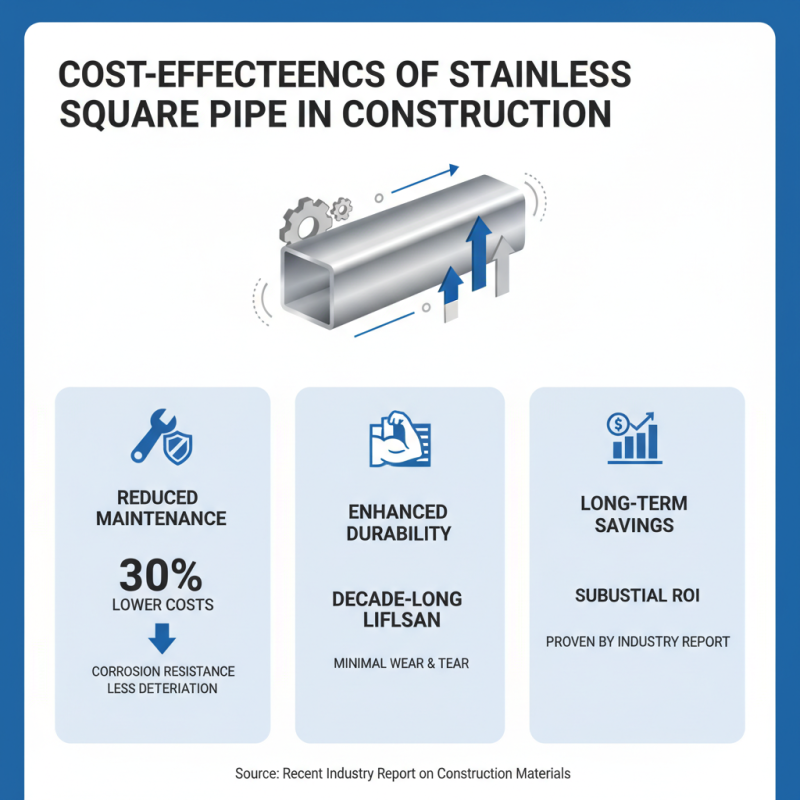
The use of stainless square pipes in construction offers remarkable cost-effectiveness. A recent industry report reveals that projects utilizing stainless steel materials can reduce maintenance costs by up to 30%. This is owing to corrosion resistance, which minimizes deterioration over time. Durability is a key benefit; stainless steel can last decades without significant wear.
Additionally, the initial investment in stainless square pipes may be higher than alternatives, yet the long-term savings are evident. Studies indicate that over a 20-year lifecycle, the lifespan cost of stainless materials often outperforms lower-grade options by 15%. This shift towards stainless solutions is not just practical but environmentally sustainable. Less frequent replacements mean reduced material waste.
However, the upfront expenses can pose challenges for budget-limited projects. Cost calculations must include potential future savings. Understanding these trade-offs is essential for decision-makers. The industry is increasingly recognizing the value of investing in quality materials. Balancing budget constraints with long-term benefits remains a topic for reflection and consideration in project planning.
Sustainability and Recyclability of Stainless Steel Materials
Stainless steel is becoming increasingly popular in the construction and design sectors. Its sustainability is a primary reason for this trend. Stainless steel can be recycled countless times without losing quality. This means that products made from stainless steel can be returned to the production cycle, reducing waste. When buildings or structures are demolished, stainless steel components can be reused, minimizing the environmental impact.
Moreover, the production of stainless steel has a relatively low carbon footprint compared to other materials. The recycling process consumes less energy than creating new steel from raw materials. This attribute makes stainless steel an eco-friendly choice for construction. However, not all stainless steel is created equal. Quality can vary, and choosing subpar materials might negate some of the environmental benefits.
While stainless steel offers significant advantages, challenges do exist. The supply chain can be complicated. Certain regions might struggle with the availability of high-quality stainless steel. This can lead to delayed projects and increased costs. Additionally, initial costs for stainless steel can be higher than alternatives like aluminum or carbon steel. So, weighing the immediate costs against long-term benefits is crucial when considering this material.

 Angle Steel
 Channel Steel
 Universal Beam (l-Beam)
 H-Beam Steel
 Galvalume Steel Coil
 Galvalume Steel Sheet
 Galvanized Steel Sheet
 Color Coated Plate
 Stainless Steel Bar
 Stainless Steel Pipe
 Steel Bar
 Wire Rope
 Carbon Steel Pipe
 Carbon Steel Plate
 Aluminum Plate
 Aluminum Coil
 Aluminum Pipe
 Aluminum Bar
 Magnesium Ingot
 Fasteners