Top 5 Best Carbon Steel Plates for Your Next Project?
When embarking on a project that requires durability and strength, choosing the right material is vital. Carbon steel plates have gained popularity in various industries due to their excellent mechanical properties. According to industry expert John Smith, “The right carbon steel plate can make or break your project's success.” This highlights the importance of selecting high-quality materials.
Carbon steel plates come in various grades and thicknesses, each tailored for specific applications. Their versatility allows them to be used in construction, manufacturing, and even artistic purposes. However, with so many options available, it’s essential to understand your specific project needs. Each choice carries different implications for performance and durability.
Navigating these choices can be daunting. It is crucial to consider factors such as strength, corrosion resistance, and weight. Reflecting on these elements can help you avoid common pitfalls. For instance, choosing a plate that is too thin may compromise structural integrity. Take the time to research and consult experts to find the ideal carbon steel plate for your project.
Understanding Carbon Steel Plates: Composition and Properties
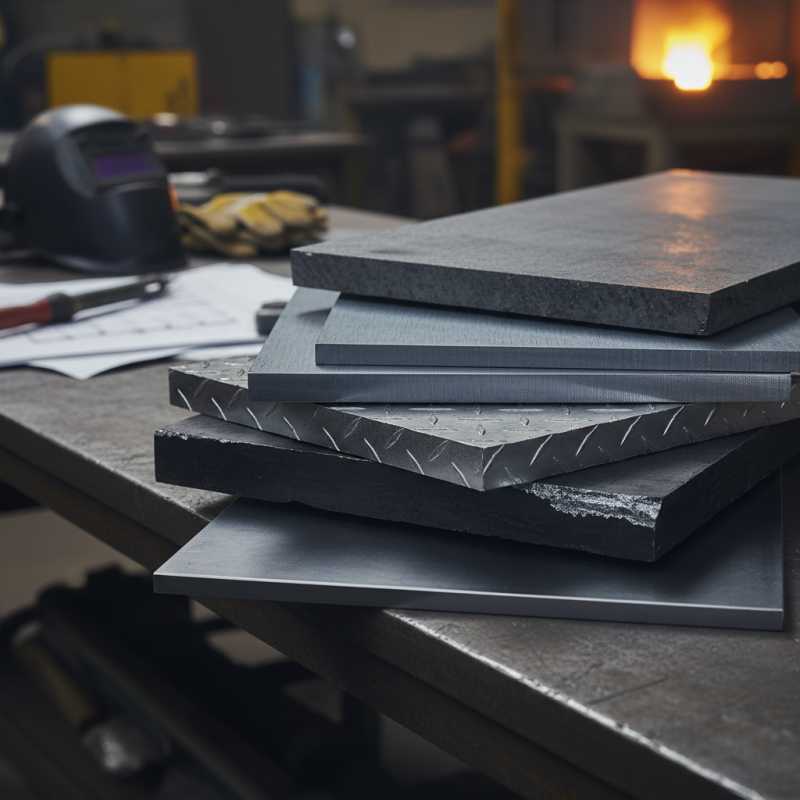
Carbon steel plates are widely used in various industries due to their unique composition and properties. Generally composed of iron and carbon, these plates can contain varying percentages of these elements. The carbon content significantly affects the steel's strength, ductility, and weldability. Typically, low-carbon content results in softer and more malleable plates, ideal for forming. Conversely, higher carbon content increases strength but makes the plates more brittle.
Understanding the properties of carbon steel plates is crucial for project success. These plates exhibit excellent durability, often resisting wear and tear better than their counterparts. Their ability to withstand high temperatures and pressure makes them suitable for structural applications. However, one must reflect on potential corrosion issues. Without proper treatment or coatings, carbon steel can rust when exposed to moisture. This aspect may necessitate additional protective measures, adding to project costs. Thus, selecting the right carbon steel plate involves weighing its mechanical attributes against potential drawbacks, ensuring it fits the project's specific needs.
Top 5 Best Carbon Steel Plates for Your Next Project
| Plate Type |
Thickness (mm) |
Yield Strength (MPa) |
Tensile Strength (MPa) |
Applications |
| A36 |
6 - 25 |
250 |
400 - 550 |
Construction, Manufacturing |
| A516 Gr. 70 |
5 - 100 |
260 |
485 - 620 |
Pressure Vessels, Boilers |
| S235 |
4 - 30 |
235 |
360 - 510 |
Structural, Shipbuilding |
| Q345 |
8 - 50 |
345 |
470 - 630 |
Construction, Bridges |
| A572 Gr. 50 |
6 - 38 |
345 |
485 - 620 |
Heavy equipment, Structural |
Factors to Consider When Selecting Carbon Steel Plates for Projects
When selecting carbon steel plates for your project, consider several crucial factors to ensure optimal performance. First, evaluate the plate's thickness. Thicker plates provide increased strength but can be more challenging to work with. Reports indicate that optimal thickness for structural applications typically ranges from 0.25 to 1 inch. This range strikes a balance between workability and durability.
Another key factor is the plate's grade. Different grades of carbon steel offer varying levels of hardness and tensile strength. For example, ASTM A36 is suitable for general construction, while ASTM A572 provides higher strength for more demanding applications. Understanding these grades helps in making informed choices.
Tip: Always review the mechanical properties of a carbon steel plate before making a selection. Check compatibility with welding requirements, as not all grades are weld-friendly.
Additionally, consider the intended environment. Plates exposed to harsh conditions may require additional treatments, like galvanization, to prevent rust. Some projects face constraints in terms of budget and available resources. It's essential to balance cost with quality.
Tip: Seek certifications or industry standards when selecting suppliers. This ensures the plates meet safety and performance benchmarks.
Top 5 Carbon Steel Plates: Detailed Reviews and Recommendations
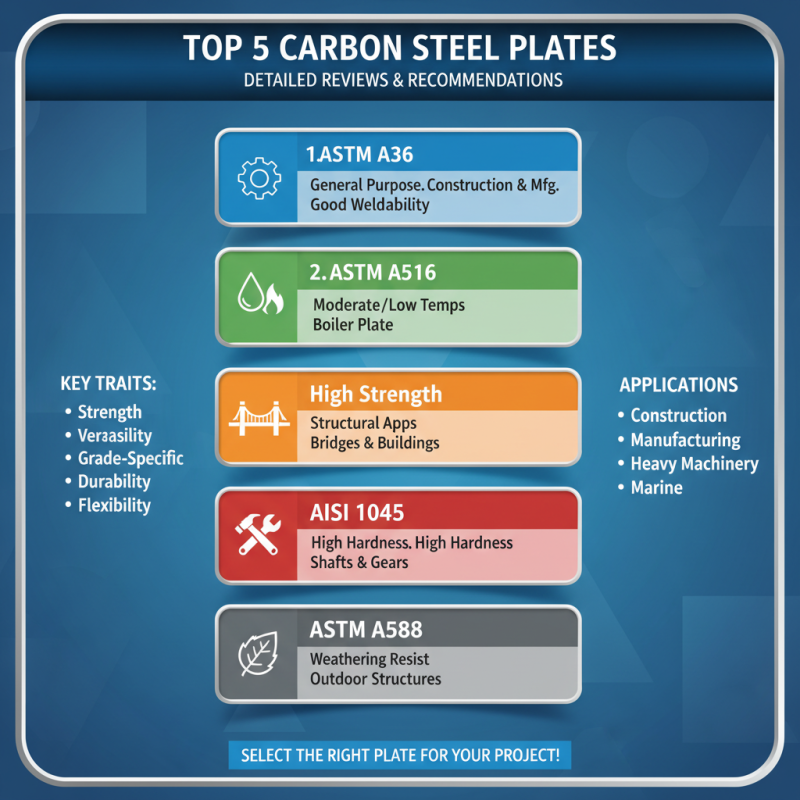
When selecting carbon steel plates, it's essential to understand their various traits and applications. Carbon steel plates are known for their strength and versatility. They come in multiple grades, each catering to specific requirements in construction or manufacturing. For instance, some plates may excel in sturdiness, while others might offer better flexibility.
One notable aspect to consider is the thickness. Thicker plates can withstand heavy loads, ideal for structural applications. However, they may also pose challenges during fabrication and welding. It’s important to weigh the benefits against potential downsides. Not every project requires the heaviest option. Sometimes, lighter plates suffice, making them easier to work with.
Choosing the right carbon steel plate requires careful thought. Look for properties such as hardness and tensile strength, depending on your project needs. There might be a learning curve when selecting the most suitable plate. Engaging with industry experts can provide valuable insights, but remember that personal experience also matters. Balancing advice with hands-on testing often yields the best results in finding that perfect plate for your next project.
Applications of Carbon Steel Plates in Various Industries
Carbon steel plates play a crucial role across various industries. Their versatility comes from a blend of strength and affordability. In construction, carbon steel plates are widely used for structural components, such as beams and columns. According to a report from the World Steel Association, this material represents over 50% of the total steel output globally, indicating its significance.
In the automotive sector, carbon steel plates are essential for manufacturing chassis and body components. A study from the International Energy Agency highlighted that lightweight construction using carbon steel can improve fuel efficiency by up to 25%. This reduction in weight not only enhances performance but also drives emissions down. However, the ongoing challenge remains with corrosion, where companies need to invest in coatings and treatments.
The energy sector also utilizes carbon steel plates, particularly in pipelines and pressure vessels. The American Bureau of Shipping shows that over 70% of all pipeline installations use carbon steel. Despite its benefits, the variability in quality can lead to integrity issues. Continuous monitoring and testing are crucial to ensure reliability in these applications. Industries must balance costs with quality to achieve sustainable results.
Maintenance and Care Tips for Carbon Steel Plates in Projects
When working with carbon steel plates, proper maintenance is essential for longevity and performance. These plates are durable, but they can be prone to rust and corrosion. Regular cleaning is vital. Utilize a mild soap solution to remove dirt and debris. Dry the plates immediately to avoid moisture accumulation. Reports from industry studies indicate that untreated carbon steel can experience corrosion rates of 2-3 mm per year in humid environments.
Preventive measures are crucial. Applying a thin layer of oil can create a barrier against moisture. Regular inspections can help spot signs of wear or rust early. According to research by the American Institute for Steel Construction, proactive maintenance can extend the lifespan of carbon steel plates by over 50%. Consider using protective coatings for added durability, especially in harsh environments.
Storage also plays a key role. Place the plates in a dry location, away from direct contact with water. If possible, elevate them off the ground to further minimize moisture exposure. Pay attention to environmental factors like temperature and humidity. Fluctuations can impact the material's integrity. These guidelines are important, but remember that every project presents unique challenges that require tailored solutions.
Top 5 Best Carbon Steel Plates for Your Next Project
This chart illustrates the average hardness and tensile strength of the top 5 carbon steel plates suitable for projects. The data highlights the materials' properties, which are crucial for selecting the right steel plate based on project requirements.

 Angle Steel
 Channel Steel
 Universal Beam (l-Beam)
 H-Beam Steel
 Galvalume Steel Coil
 Galvalume Steel Sheet
 Galvanized Steel Sheet
 Color Coated Plate
 Stainless Steel Bar
 Stainless Steel Pipe
 Steel Bar
 Wire Rope
 Carbon Steel Pipe
 Carbon Steel Plate
 Aluminum Plate
 Aluminum Coil
 Aluminum Pipe
 Aluminum Bar
 Magnesium Ingot
 Fasteners