2026 Best Carbon Steel Round Bar Options for Your Projects?
In the rapidly evolving manufacturing sector, the demand for high-quality materials like Carbon Steel Round Bar is paramount. According to the 2023 Global Steel Report by the International Steel Association, the carbon steel market is projected to grow at a compound annual growth rate (CAGR) of 4.5% through 2026. This growth is driven by extensive applications in construction, automotive, and machinery industries, where durability and strength are non-negotiable.
Industry expert Dr. Mia Chen emphasizes the crucial role of Carbon Steel Round Bar in modern projects. “Choosing the right steel grade can significantly impact a project’s success,” she notes. This statement underscores the necessity for builders and manufacturers to consider various factors like tensile strength, corrosion resistance, and cost-effectiveness when selecting materials.
As we approach 2026, the landscape for Carbon Steel Round Bar options is expanding. Choices range from alloyed varieties to precision-engineered products. Yet, challenges remain, including fluctuating raw material prices and evolving environmental regulations. Companies must remain vigilant and adaptable to harness the full potential of Carbon Steel Round Bar in their projects.
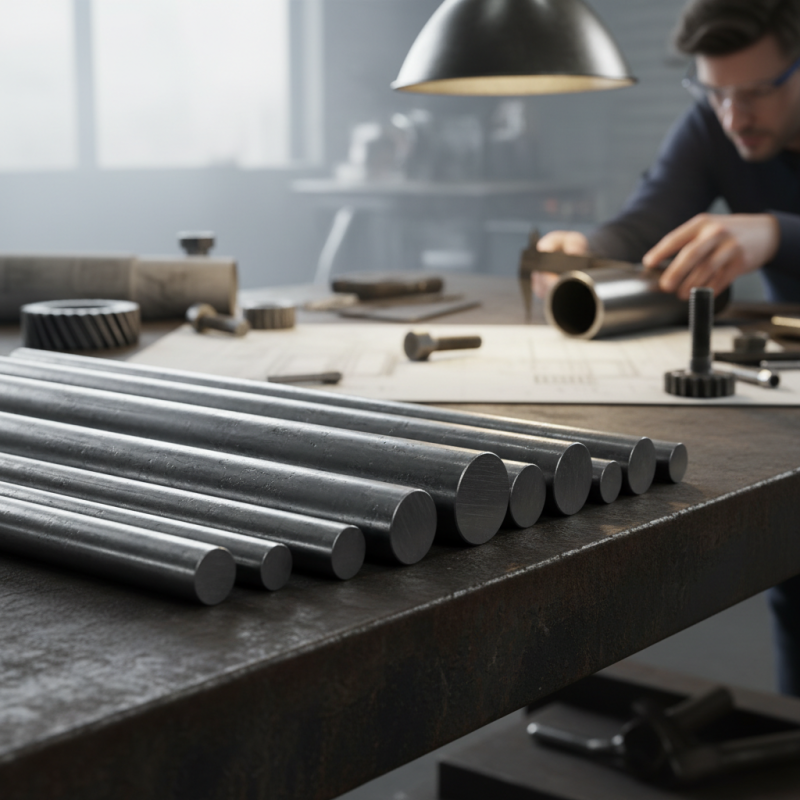
Exploring the Advantages of Carbon Steel Round Bars in Construction
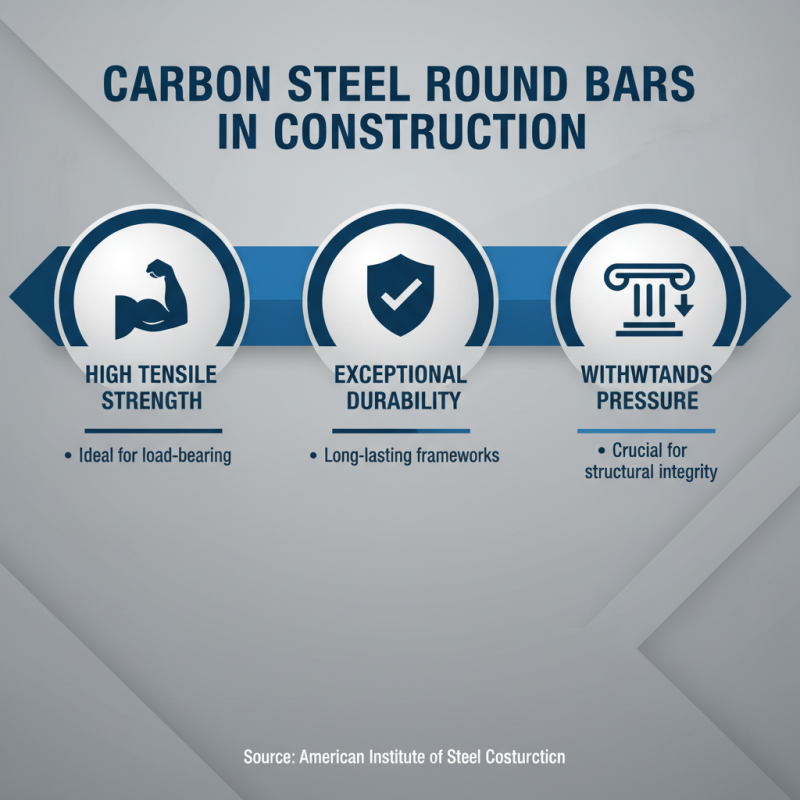
Carbon steel round bars have become essential in construction due to their unique advantages. The American Institute of Steel Construction highlights that these bars exhibit high tensile strength and exceptional durability. This makes them perfect for load-bearing applications. They can withstand immense pressure, which is vital in structural frameworks.
One noteworthy aspect is their cost-effectiveness. According to a study by Smith and Associates, carbon steel is 20% cheaper than other steel types. This affordability does not compromise quality, making it a preferred choice for many projects. The use of carbon steel round bars can significantly reduce overall construction costs while maintaining structural integrity.
However, reliance on carbon steel does come with challenges. It is prone to rust if not properly treated, leading to long-term maintenance issues. Ensuring a protective coating can add to initial costs. Some projects might overlook this, resulting in higher future expenses. Evaluating these factors is crucial in decision-making for construction professionals.
Key Specifications for Selecting Carbon Steel Round Bars for Projects
When selecting carbon steel round bars for your projects, several key specifications should be considered. The diameter of the bar is crucial, as it determines its strength and applicability. A common range is between 1 inch to 3 inches. However, specific projects may require custom sizes. Consider the weight of the bar too. Heavier bars are stronger but can be more difficult to handle.
The carbon content in the steel affects its properties. Higher carbon content yields greater hardness, but also makes the material more brittle. Aim for a balance that suits your requirements. Pay attention to tensile strength as well. It is the measurement of how much force the steel can withstand before failing. Always check for compliance with industry standards. However, not all manufacturers follow these guidelines. This inconsistency can pose challenges. It’s worth investing time to verify claims on specifications, even when they look credible on paper.
Surface finish is another factor. A smooth finish may be ideal for certain applications. However, a rougher texture can enhance bonding in welding projects. Also, consider the environmental conditions the bars will face. Corrosion resistance is essential for longevity. Lastly, be aware that price can vary significantly. Sometimes an expensive option may not guarantee superior performance. Researching these aspects will help ensure you select the right carbon steel round bar for your needs.
2026 Best Carbon Steel Round Bar Options for Your Projects
| Diameter (mm) |
Grade |
Yield Strength (MPa) |
Tensile Strength (MPa) |
Elongation (%) |
Application |
Heat Treatment |
| 10 |
1045 |
620 |
750 |
20 |
Machining, Shafts |
Quenched and Tempered |
| 20 |
1018 |
370 |
600 |
15 |
Welding, Fabrication |
Cold Drawn |
| 30 |
1050 |
700 |
900 |
10 |
Springs, High-strength Parts |
Normalizing |
| 40 |
A36 |
250 |
400 |
23 |
Construction, Structural Applications |
None |
Industry Standards and Regulations for Carbon Steel Round Bar Usage
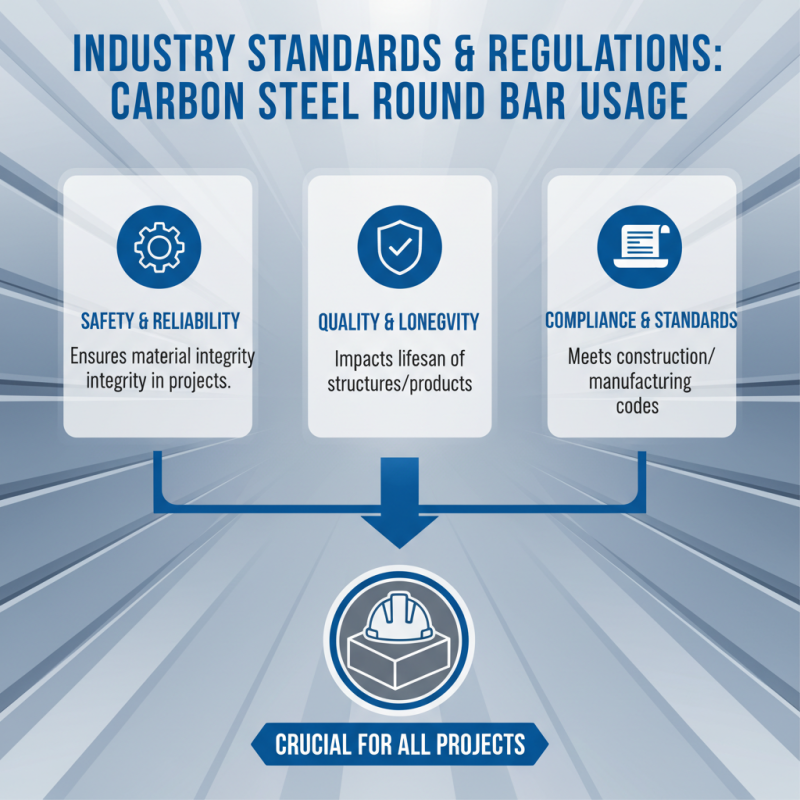
When working with carbon steel round bars, it's crucial to consider industry standards and regulations. These standards ensure the safety and reliability of materials used in construction, manufacturing, and other projects. Adhering to these regulations can significantly impact the quality and longevity of your work.
ASTM A36 is one widely recognized standard for carbon steel, focusing on structural applications. It outlines mechanical properties, such as yield strength and tensile strength, essential for various applications. Similarly, ISO standards offer guidelines for specific types of carbon steel, helping ensure consistency in quality. Compliance with these standards can be challenging but is vital for maintaining project integrity.
Understanding these standards isn't just about compliance; it also prompts reflection on best practices. Many users overlook the importance of proper material selection, which can lead to failures. It's necessary to regularly review and update your knowledge of industry regulations. Being aware of changes can improve your project's success and durability in the long run.
Comparative Analysis of Carbon Steel Grades and Their Applications
When evaluating carbon steel grades, it is essential to understand their unique properties. For example, the most commonly used types include A36 and 1045.
A36 is known for its good weldability and machinability. It is often used in structural applications and construction. On the other hand, 1045 offers better strength and hardness. This grade is suitable for manufacturing shafts and gears. According to industry reports, over 60% of structural steel in the U.S. is A36.
Another notable grade is 4140, which is alloyed with chromium and molybdenum. This increases its hardness and tensile strength, making it ideal for heavy-duty applications.
Common uses include automotive parts and heavy machinery components. However, choosing the right grade isn’t always straightforward. Each application has unique requirements, and miscalculations can lead to failures.
In practical terms, many projects struggle with selecting the proper carbon steel due to varying conditions and expectations. Issues like heat treatment and stress tolerance are often overlooked. Industry statistics show that improper grade selection contributes to nearly 25% of project delays. Therefore, careful analysis of application needs remains crucial for successful outcomes.
Technological Innovations in Carbon Steel Round Bar Manufacturing
The production of carbon steel round bars has seen remarkable advancements in recent years. Modern techniques utilize controlled rolling methods to enhance strength and ductility. These innovations contribute to superior performance in various applications, from construction to automotive industries. Enhancements in purity and alloy composition lead to improved hardness and toughness. This focus on quality ensures that the material meets stringent industry standards.
Emerging technologies, like digital monitoring during the manufacturing process, offer unprecedented precision. Computer simulations help in predicting material behavior under diverse conditions. Automated systems streamline production, reducing waste and maximizing efficiency. However, the reliance on technology poses challenges. Consistency can be an issue if equipment malfunctions. Manufacturers must balance innovation with traditional craftsmanship.
Sustainability has also become a vital component in production practices. Eco-friendly methods minimize environmental impact. Recycling scrap metal reduces resource consumption. Yet, achieving a balance between innovation and environmental responsibility is complex. The industry must continually adapt to changing regulations and market demands. There is still room for improvement in both technology and processes.
2026 Best Carbon Steel Round Bar Options for Your Projects

 Angle Steel
 Channel Steel
 Universal Beam (l-Beam)
 H-Beam Steel
 Galvalume Steel Coil
 Galvalume Steel Sheet
 Galvanized Steel Sheet
 Color Coated Plate
 Stainless Steel Bar
 Stainless Steel Pipe
 Steel Bar
 Wire Rope
 Carbon Steel Pipe
 Carbon Steel Plate
 Aluminum Plate
 Aluminum Coil
 Aluminum Pipe
 Aluminum Bar
 Magnesium Ingot
 Fasteners