2026 Best Seamless Steel Pipe Options for Your Projects?
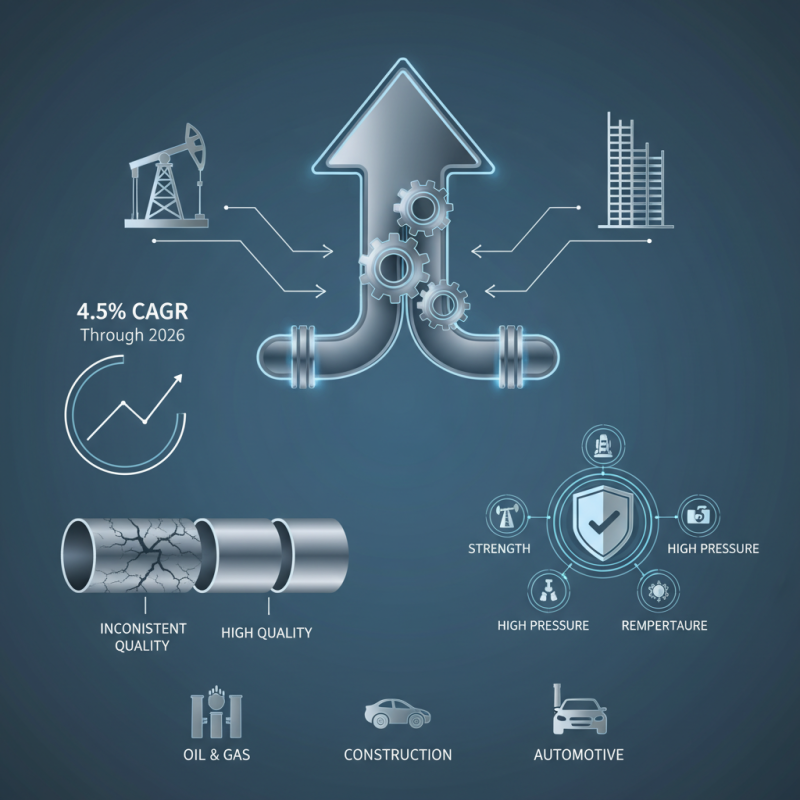
In the evolving landscape of construction and manufacturing, seamless steel pipes have gained significant traction. According to the Global Seamless Steel Pipe Industry Report 2023, this market is anticipated to grow at a compound annual growth rate (CAGR) of 4.5% through 2026. This growth reflects the rising demand for reliable materials in various applications, including oil and gas, construction, and automotive industries.
Seamless steel pipes are known for their strength and durability. Their uniform structure offers resilience against high pressure and extreme temperatures. However, not all seamless steel pipes are created equal. Quality can vary depending on the manufacturing process. This inconsistency can lead to challenges in project execution and safety.
The need for high-quality seamless steel pipes is paramount. Inadequate materials can result in costly project delays and increased maintenance. Industry experts emphasize the importance of selecting the right suppliers. A thorough evaluation of options is essential to ensure project success. Understanding the characteristics and certifications of seamless steel pipes can make a significant difference.
2026 Market Trends in Seamless Steel Pipe Production
The seamless steel pipe market is evolving rapidly. In 2026, production trends will be heavily influenced by technological advancements and sustainability practices. Manufacturers are focusing on reducing waste and enhancing energy efficiency. This shift aims to meet stricter environmental regulations while maintaining high quality.
Many companies are exploring innovative production techniques. For instance, advanced welding technologies improve structural integrity. However, some manufacturers struggle to keep up with these changes. They may find themselves relying on outdated methods, which can impact product reliability.
**Tips:** Invest in employee training to ensure everyone is updated on the latest technologies. Small improvements can lead to significant savings in material costs. Understand the market’s demand for higher quality and eco-friendly options. Regularly assess your methods for any needed changes or updates. This self-reflection can drive growth and competitiveness in the market.
2026 Best Seamless Steel Pipe Options for Your Projects
| Diameter (mm) |
Thickness (mm) |
Length (m) |
Weight (kg) |
Material Grade |
Market Price ($/ton) |
| 25 |
3 |
6 |
22.5 |
S235JRH |
750 |
| 50 |
5 |
12 |
83.4 |
S355J2H |
800 |
| 80 |
8 |
10 |
95.7 |
API 5L X52 |
900 |
| 100 |
10 |
8 |
158.2 |
ASTM A106 Gr B |
950 |
| 150 |
12 |
6 |
145.5 |
P355GH |
1020 |
Key Materials and Manufacturing Processes for Seamless Steel Pipes
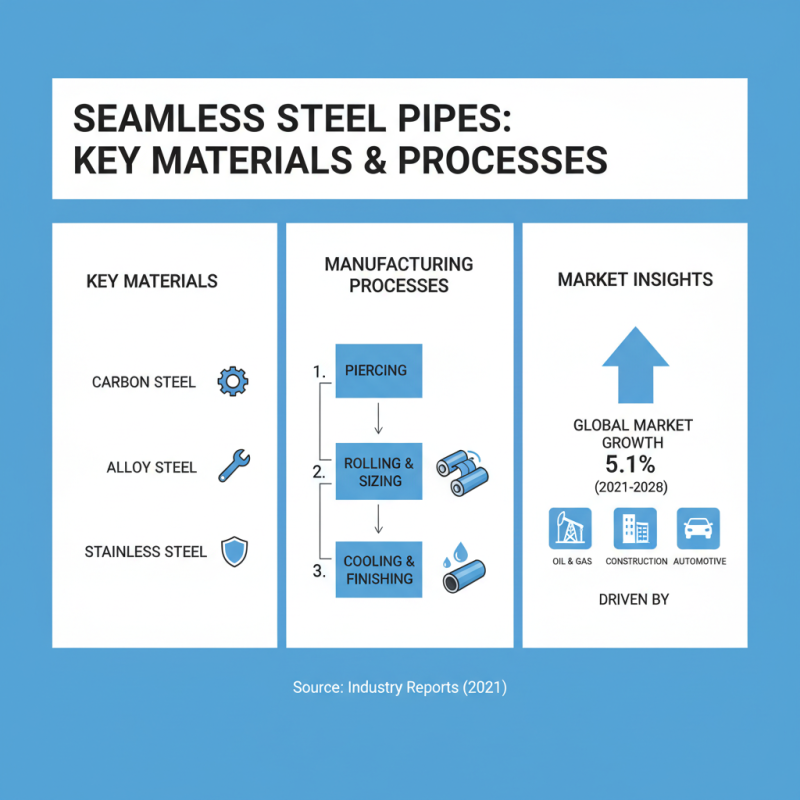
When considering seamless steel pipes, it's essential to focus on the materials and manufacturing processes involved. Seamless steel pipes are primarily made from carbon steel, alloy steel, and stainless steel. According to industry reports, the global seamless steel pipe market is expected to grow by 5.1% from 2021 to 2028. This growth is driven by increased demand in oil and gas, construction, and automotive sectors.
The production of seamless steel pipes typically involves processes such as extrusion and rotary piercing. These techniques ensure a uniform wall thickness and enhance strength. The American Society for Testing and Materials (ASTM) provides standards defining the quality of materials, which adds credibility. However, variations can occur due to different manufacturers' equipment and practices.
The choice of raw materials greatly impacts the durability and applicability of the pipes. The chemistry of the steel, including carbon content, directly influences properties such as tensile strength and corrosion resistance. A study published in the Journal of Materials Science indicates that even minor adjustments in alloy composition can significantly affect performance. Understanding these nuances can help engineers make better choices for their projects.
Comparative Analysis of Seamless vs. Welded Steel Pipes in Projects
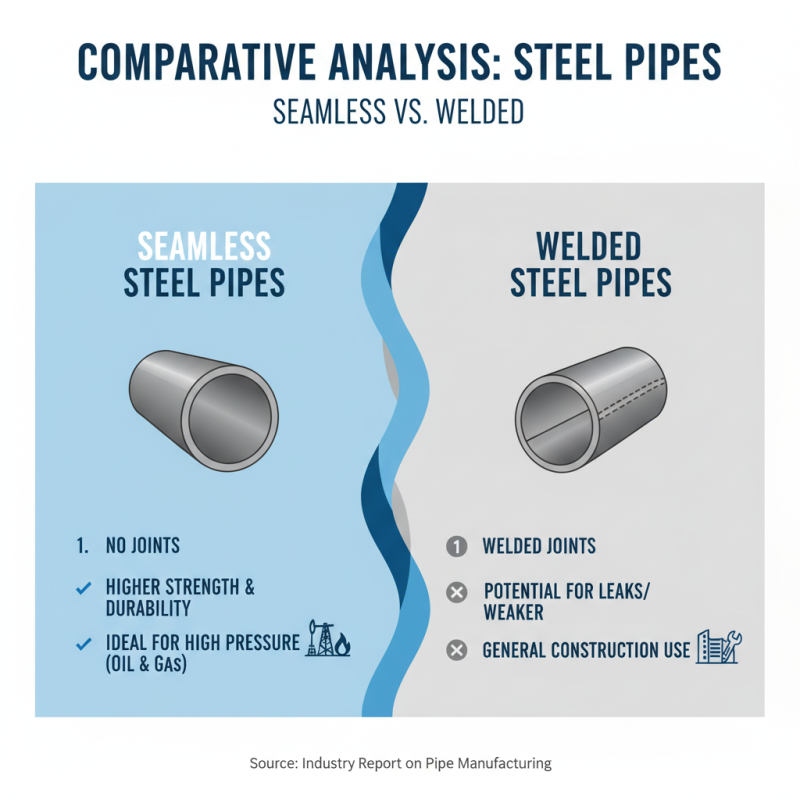
When choosing pipes for construction, understanding the differences between seamless and welded steel pipes is crucial. Seamless pipes are manufactured without any joints. This results in higher strength and durability. They are less prone to leaks and can withstand high pressures better than welded counterparts. This makes them suitable for critical applications like oil and gas transportation.
On the other hand, welded steel pipes are made by joining two edges together. While this process can be cost-effective, it might compromise the pipe's integrity. Welded pipes often exhibit issues like corrosion at the weld line. In environments with high stress or fluctuating temperatures, welded pipes may require more frequent inspections and maintenance.
Both types of pipes have their pros and cons. Seamless pipes often come with a higher price tag, but their reliability is hard to ignore. Welded pipes, while cheaper, might not offer the same performance in extreme conditions. Understanding the unique characteristics of each type can help project managers select the right option for their specific needs. In some cases, the choice may not be straightforward, raising important considerations about cost versus reliability.
Critical Applications of Seamless Steel Pipes in Different Industries
Seamless steel pipes are essential in various industries. They provide strength and reliability where needed. In construction, these pipes are used for structural supports and fluid transport. Their ability to withstand high pressure makes them a preferred choice in oil and gas exploration. The integrity of these pipes ensures safety in critical applications.
In the power generation sector, seamless steel pipes play a vital role. They are utilized in boiler systems, where high temperatures and pressures are common. The manufacturing process creates a homogeneous structure, reducing the risk of failure. This is particularly important in situations where a burst could lead to catastrophic accidents.
Tips: Always assess the specific mechanical properties required for your project. Different applications may demand varying sizes and grades of seamless steel pipes. Collaborate with experienced engineers to select the right materials, ensuring optimal performance and safety.
Choosing seamless steel pipes also requires understanding the environment they will face. Corrosion can significantly affect their lifespan. Regular inspections and maintenance can prevent costly downtimes. While seamless pipes provide durability, remember that no material is infallible. Be prepared to adapt your project plans based on ongoing evaluations.
Regulatory Standards Affecting Seamless Steel Pipe Quality in 2026
In 2026, understanding the regulatory standards affecting seamless steel pipe quality is crucial for project success. These regulations ensure safety, performance, and environmental responsibility. Compliance with standards can vary significantly by region and application. Hence, it's vital to stay updated on the latest requirements.
Tips: Research local regulations frequently. This will help in selecting the right materials. Keep an eye on industry publications for updates. They often highlight critical changes that could impact your projects.
Quality control measures are also vital. Testing protocols and certifications can greatly influence the performance of seamless steel pipes. However, not all companies may adhere strictly to these guidelines. It’s essential to verify the credibility of suppliers. Look for reviews and case studies that demonstrate their compliance.
Tips: Establish clear criteria for choosing suppliers. Prioritize those with proven track records. Sometimes, high-quality materials may come at a steep price. Weigh your options carefully. Efficient project management and quality assurance will ultimately save you time and costs. Reflect on past experiences to refine your approach.

 Angle Steel
 Channel Steel
 Universal Beam (l-Beam)
 H-Beam Steel
 Galvalume Steel Coil
 Galvalume Steel Sheet
 Galvanized Steel Sheet
 Color Coated Plate
 Stainless Steel Bar
 Stainless Steel Pipe
 Steel Bar
 Wire Rope
 Carbon Steel Pipe
 Carbon Steel Plate
 Aluminum Plate
 Aluminum Coil
 Aluminum Pipe
 Aluminum Bar
 Magnesium Ingot
 Fasteners