China Top Steel Pipe Manufacturers and Their Market Impact?
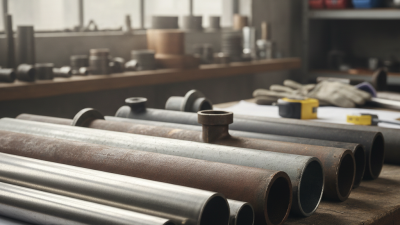
The global steel pipe market is experiencing significant changes, driven by China's top manufacturers. Renowned industry expert, Dr. James Wang, asserts, "China leads the world in steel pipe production." This statement reflects the incredible volume and quality produced by Chinese companies. Their innovations shape market dynamics.
China's steel pipe sector plays a crucial role in various industries, from construction to energy. The demand for high-quality pipes is increasing. Chinese manufacturers are rapidly adapting to emerging trends. However, they face challenges such as global competition and environmental concerns.
Some companies excel, yet others struggle to keep up with the fast-paced changes. The reliance on steel pipes remains strong, but sustainability must be considered. As the market evolves, experts stress the importance of continuous improvement. Analyzing the impact of Chinese manufacturers helps understand the steel pipe market better. The future will depend not only on production but also on responsible practices.
Overview of China's Steel Pipe Industry
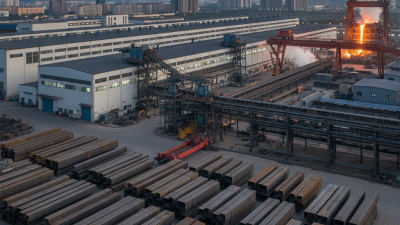
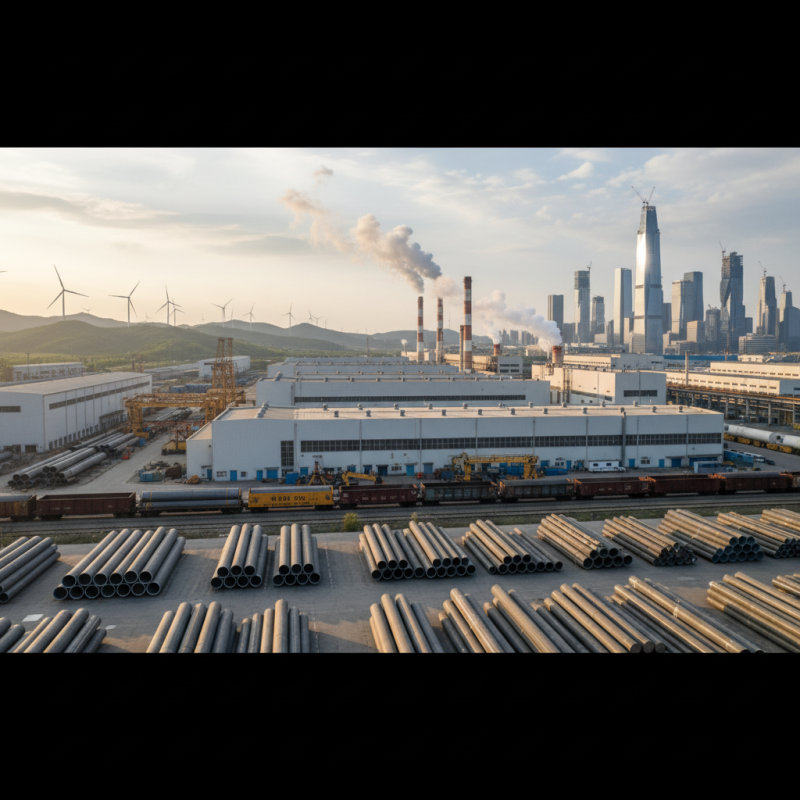
China's steel pipe industry plays a crucial role in the global market. With rapid urbanization and infrastructure projects, the demand for steel pipes continues to rise. Factories across the country churn out millions of tons annually. These products support construction, energy, and transportation sectors. However, the industry's environmental impact raises concerns. Factories often emit pollutants. This complicates China's commitment to sustainability.
Market dynamics also shift due to global competition. Chinese manufacturers adapt by investing in technology to enhance productivity. However, the reliance on older manufacturing methods remains a challenge. Quality control issues surface now and then. These inconsistencies can affect international contracts and partnerships.
Furthermore, fluctuating raw material prices influence production costs. Manufacturers feel the squeeze of market volatility. Many are exploring innovative materials and alternative processes. This approach aims to address both performance and environmental concerns. Nevertheless, changes roll out slowly, and full adoption is still pending. This situation creates a mixed outlook for the industry, demanding strategic reflections on future practices.
China Top Steel Pipe Manufacturers and Their Market Impact
| Manufacturer |
Production Capacity (MT/year) |
Market Share (%) |
Export Volume (MT) |
Main Export Markets |
| Manufacturer A |
1,200,000 |
25 |
300,000 |
North America, Europe |
| Manufacturer B |
800,000 |
20 |
200,000 |
Asia, Europe |
| Manufacturer C |
1,000,000 |
22 |
250,000 |
Middle East, Latin America |
| Manufacturer D |
950,000 |
18 |
150,000 |
Europe, Africa |
| Manufacturer E |
750,000 |
15 |
100,000 |
Asia, North America |
Major Steel Pipe Manufacturers in China
China is home to some of the world's largest steel pipe manufacturers. These companies play a crucial role in various industries. Their impact on the global market is significant. The demand for energy and construction drives the need for high-quality steel pipes. This sector is ever-evolving, reflecting both innovation and environmental considerations.
The competition among these manufacturers is fierce. They strive for efficiency and sustainability. Some focus on advanced technologies, while others emphasize traditional craftsmanship. The variety of products offered can meet diverse client needs. However, challenges exist. Fluctuating raw material prices affect production costs. Moreover, environmental regulations are becoming stricter, pushing manufacturers to adapt.
Market dynamics in China influence global supply chains. When local manufacturers experience changes, it impacts international markets. The interdependence is clear. Efforts in quality control and compliance are vital. Manufacturers must continually evaluate their practices to stay relevant. The balance between profitability and sustainability remains a topic for reflection.
Market Share and Competitive Landscape
The steel pipe manufacturing sector in China is dynamic and highly competitive. Recent analysis shows significant market share held by leading manufacturers. These companies influence pricing strategies and regional supply chains. Their operations are supported by advanced technology and efficient production methods. However, reliance on a few key players raises concerns about market accessibility for smaller firms.
Understanding the competitive landscape is crucial. Emerging manufacturers seek to carve out their niche, but they face barriers like cost and distribution challenges. The market is evolving with new entrants striving for innovation. This shift can disrupt traditional players, prompting them to adapt.
Market demands are changing, driven by sustainability efforts and environmental standards. Established manufacturers are under pressure to innovate, balancing quality with green practices. Experimentation with new materials and processes is essential. Yet, this creates uncertainty regarding long-term viability. Future dynamics will depend on how these manufacturers navigate such complexities.
Impact of Top Steel Pipe Manufacturers in China
Impact on Global Trade and Economy
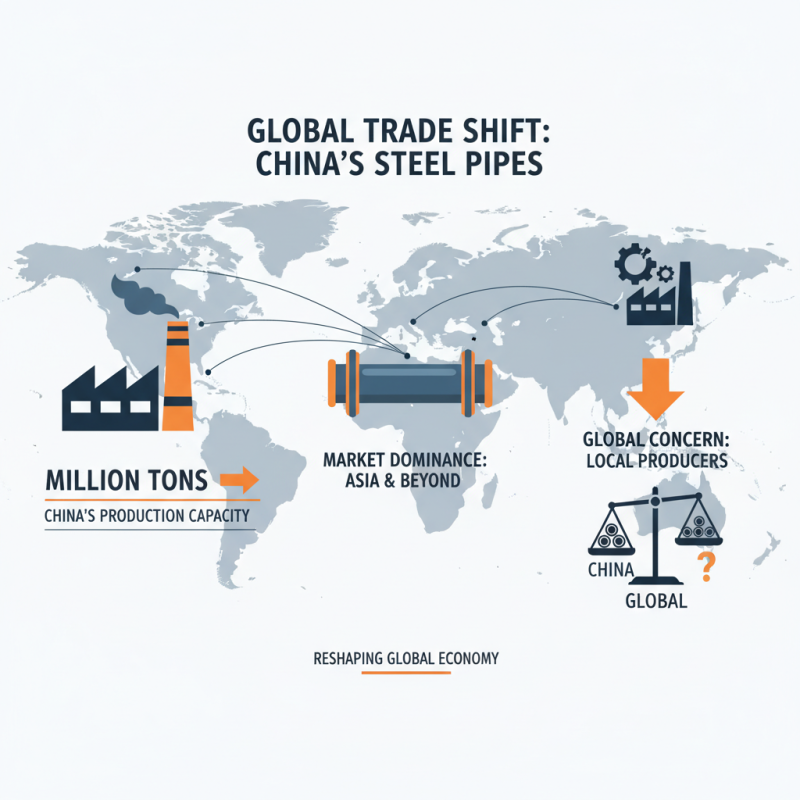
China's steel pipe manufacturers have gained significant global influence. Their production capacity reaches millions of tons annually. This expansion reshapes international trade dynamics. High-quality pipelines from China dominate markets in Asia and beyond. However, this dominance raises concerns for local producers worldwide.
The rise of Chinese steel pipes impacts global pricing strategies. Lower prices from China challenge producers in other countries. Many factories struggle to compete. Some may even face closure. This phenomenon leads to debates on fair trade practices. Quality standards often differ between regions, complicating the issue. Countries must balance cost-effectiveness and safety regulations in their purchasing decisions.
Chinese steel pipes have become integral to infrastructure projects globally. They play a crucial role in industries such as oil, gas, and construction. The reliance on these pipes highlights both opportunities and vulnerabilities in supply chains. As international tensions rise, the market might shift. Nations may seek alternatives to mitigate dependency. This reflects the complexity of a globalized economy.
Future Trends in China's Steel Pipe Market
China's steel pipe market is evolving rapidly. Industry reports indicate that production reached 76 million tons in 2022, with an expected growth rate of 5% annually until 2025. This growth is driven by rising domestic demands in construction and infrastructure. However, challenges persist, including overcapacity and fluctuating raw material prices.
Technological advancements are crucial for future competitiveness. Manufacturers are investing in automation and smart production techniques. A recent survey revealed that 60% of companies plan to adopt AI solutions in their operations. This shift aims to enhance efficiency and reduce operational costs. Yet, not all players are adapting at the same pace, leading to a disparity in market stability.
Environmental regulations are tightening, pushing manufacturers towards greener practices. In 2023, new standards mandated a 20% reduction in emissions for steel production. Many companies are struggling to comply. This situation raises questions about their long-term viability. Overall, while opportunities abound in the Chinese steel pipe market, challenges and uncertainties remain.

 Angle Steel
 Channel Steel
 Universal Beam (l-Beam)
 H-Beam Steel
 Galvalume Steel Coil
 Galvalume Steel Sheet
 Galvanized Steel Sheet
 Color Coated Plate
 Stainless Steel Bar
 Stainless Steel Pipe
 Steel Bar
 Wire Rope
 Carbon Steel Pipe
 Carbon Steel Plate
 Aluminum Plate
 Aluminum Coil
 Aluminum Pipe
 Aluminum Bar
 Magnesium Ingot
 Fasteners