
Welded Steel Pipe is crucial in various industries. Its durability and versatility make it a preferred choice. In China, different types of welded steel pipes serve distinct needs. From construction to transportation, the applications are vast.
The manufacturing process of welded steel pipes involves heating and forming steel into desired shapes. This technique allows for cost-effectiveness and flexibility. However, not all welded steel pipes are created equal. Some may lack quality, leading to reliability issues. Choosing the right type is essential for success.
Understanding the best types of welded steel pipes is vital. Specific applications require different properties. Companies should invest time in research and development. A well-informed decision can save costs and enhance performance. Quality welding and proper specifications ensure longevity and safety.
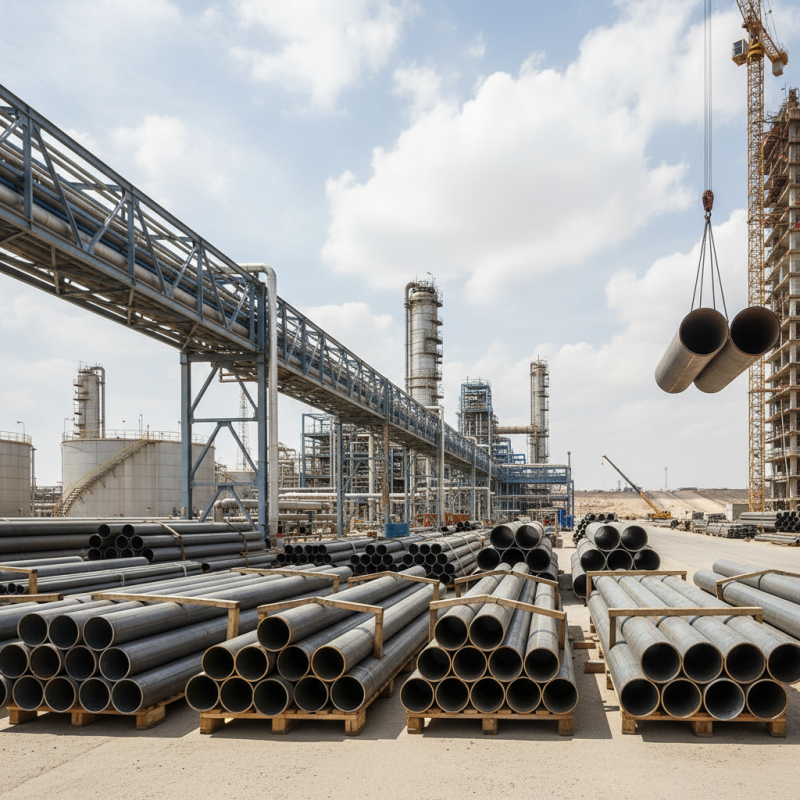
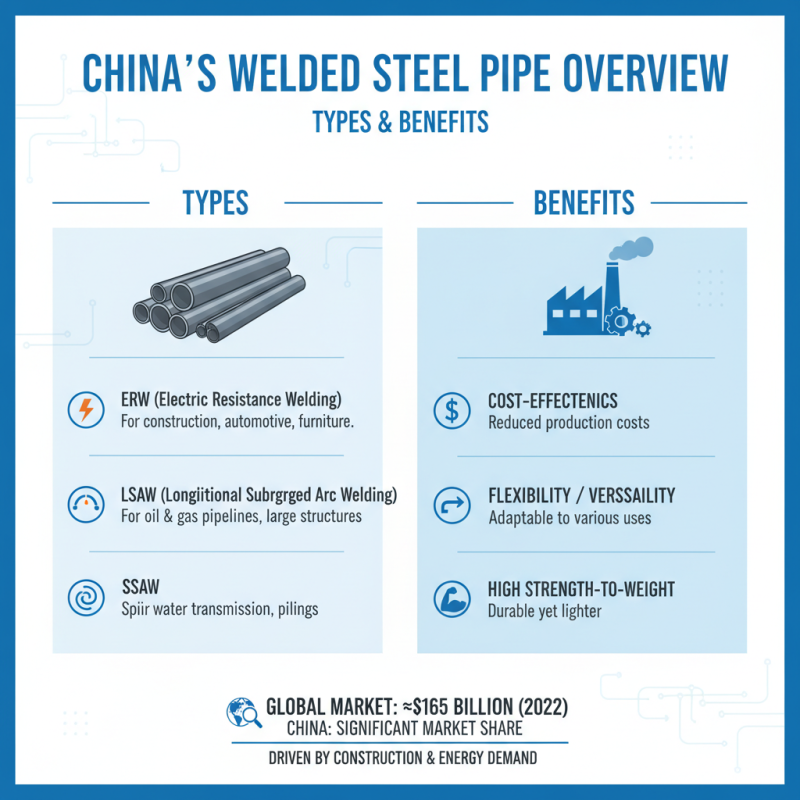
Welded steel pipes are essential in various industries in China. They offer numerous benefits, including cost-effectiveness and flexibility. The global welded pipe market was valued at approximately $165 billion in 2022, with a significant portion attributed to China. Increased demand in construction and energy sectors drives this growth.
There are several types of welded steel pipes, each with unique applications. For example, ERW (Electric Resistance Welded) pipes are prevalent in infrastructure projects. They have a smooth interior surface, reducing turbulence. This feature improves flow rates in fluid transport. SSAW (Spiral Submerged Arc Welded) pipes are ideal for high-stress applications, such as oil and gas pipelines. Their spiral weld pattern enhances strength and durability.
Manufacturers must constantly innovate. Quality control is critical, yet challenges remain. Consistent material standards can be hard to maintain. Variations in raw materials may affect pipe performance. It’s essential for companies to invest in technology to ensure reliability and sustainability. This approach not only enhances product quality but also bolsters market competitiveness.
In China, welded steel pipes are widely used across various industries. These pipes come in several types, each designed to meet specific needs. One common type is the ERW (Electric Resistance Welded) pipe. It's popular due to its strength and reliability. Manufacturers often use it in construction and infrastructure projects, where robustness is crucial.
Another type is the LSAW (Longitudinal Submerged Arc Welded) pipe. LSAW pipes are known for their ability to handle high pressure. They are frequently used in oil and gas transportation.
Despite their advantages, some challenges exist. The quality of welded joints can vary. This inconsistency sometimes leads to leaks or structural failures. Ensuring the quality of welded steel pipes requires strict adherence to standards and careful monitoring during production. The process can be costly and time-consuming but is essential for safety.
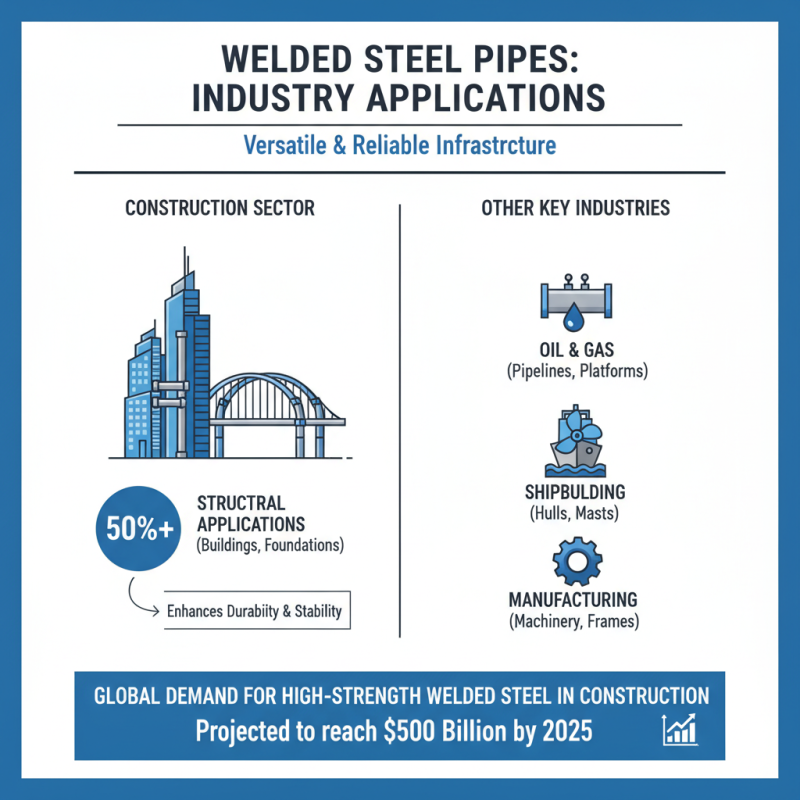
Welded steel pipes play a crucial role in many industries, showcasing their versatility and reliability. In the construction sector, over 50% of welded pipes are utilized for structural applications. This includes buildings, bridges, and other foundational elements. The pipes provide essential support, enhancing durability and stability. Recent industry reports highlight the growing demand for high-strength welded steel in construction, predicted to reach a market value of $500 billion by 2025.
The oil and gas industry relies heavily on welded steel pipes for transporting fluids. Data indicates that approximately 35% of welded pipes produced are used in this sector. They are suited for handling high pressures and corrosive materials. Notably, these pipes can withstand extreme environmental conditions, making them ideal for subsea pipelines. However, challenges like weld integrity and material fatigue must be addressed to ensure safety and efficiency.
In the automotive industry, welded pipes contribute to the manufacturing of components such as exhaust systems and chassis. Reports show an increase in the use of lightweight steel pipes to enhance fuel efficiency. Still, manufacturers face difficulties in achieving optimal performance while maintaining cost-effectiveness. Addressing these concerns can improve both product quality and consumer satisfaction.
Welded steel pipes are critical in various applications, including construction and infrastructure projects. Understanding material specifications and standards for these pipes is essential for quality assurance. In China, welded steel pipes are typically manufactured using specific materials such as carbon steel, stainless steel, and alloy steel. Each type offers unique properties that suit different uses.
Material specifications vary to meet specific standards. The Chinese national standard GB/T 3101 outlines the requirements for welded steel pipes. Familiarity with these specifications helps ensure that the pipes selected will perform according to the intended application. For instance, carbon steel pipes are often used in water transport due to their tensile strength.
Tips: Always check for certification marks on welded steel pipes. This ensures compliance with relevant standards. Additionally, ensure proper storage of pipes to avoid deformation. Also, inspect each pipe before installation. Look for defects that could affect performance.
Choosing the right welded steel pipes involves evaluating material quality and standards. While many suppliers meet basic requirements, it's essential to investigate further. Some may need to improve transparency regarding their quality control processes. Prioritize suppliers who provide detailed information on material specifications. Knowledge about these factors leads to better decision-making and enhances project success.
| Pipe Type | Material Specification | Application | Standard |
|---|---|---|---|
| ERW (Electric Resistance Welded) | ASTM A53, ASTM A500 | Structural applications, Oil & Gas | GB/T 3091, EN 10219 |
| LSAW (Longitudinal Submerged Arc Welded) | API 5L, ASTM A252 | High pressure applications, Pipeline | GB/T 9711 |
| SSAW (Spiral Submerged Arc Welded) | API 5L, ASTM A139 | Water and gas pipelines | GB/T 9711 |
| DSAW (Double Submerged Arc Welded) | API 5L, ASTM A252 | Heavy-duty structures, Pipelines | GB/T 9711 |
The welded steel pipe market in China is evolving rapidly. According to a recent report by Market Research Future, the market is projected to reach USD 43 billion by 2027, growing at a CAGR of about 6.5%. This growth is driven by increasing demand from various sectors such as construction, automotive, and oil and gas. As infrastructure projects expand, the use of welded steel pipes is expected to grow significantly.
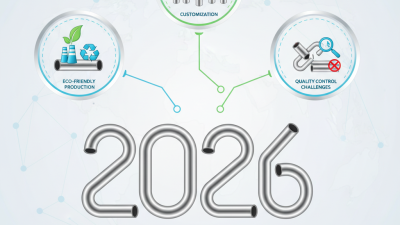
Innovative manufacturing techniques are emerging. The introduction of automation in production processes enhances efficiency and reduces costs. However, the industry faces challenges such as fluctuating raw material prices and environmental regulations. Companies must adapt to ensure compliance while maintaining profitability. The emphasis on eco-friendly practices is shaping future trends, pushing manufacturers towards sustainable solutions.
Market analysts highlight the importance of aligning production with consumer demand. There is a noticeable shift towards smaller and customized pipe sizes to meet specific project requirements. However, quality control remains a pressing issue. Some manufacturers struggle to maintain high standards while scaling operations. This discrepancy can lead to failures in applications, which is a concern for industry stakeholders.