How to Choose the Right Carbon Steel Pipeline for Your Project?
Selecting the right Carbon Steel Pipeline for your project can be crucial. With the global carbon steel market projected to reach $1.1 trillion by 2025, understanding pipeline specifications is vital. Industry experts emphasize that improper selection can lead to costly failures. John Davis, a senior analyst at Steel Insights, states, "Choosing the right material is half the battle in pipeline projects."
Carbon Steel Pipelines are widely used in various industries, including oil, gas, and construction. They offer strength and reliability, making them a preferred choice. However, not all pipelines are the same. Factors like wall thickness, diameter, and resistance to corrosion must be considered. A report from the American Society of Mechanical Engineers highlighted that up to 30% of pipeline failures are due to material selection errors.
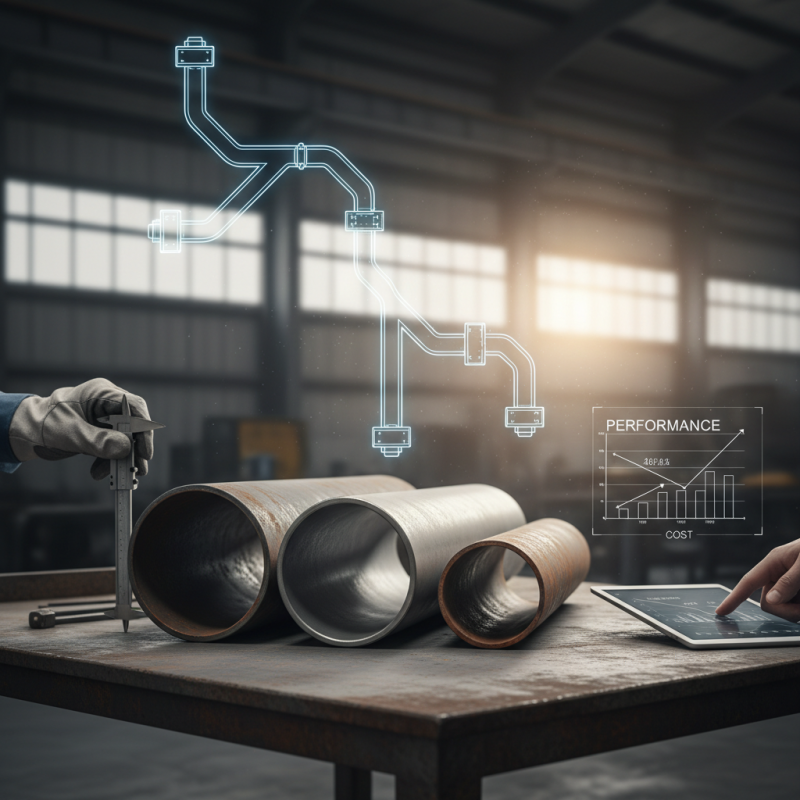
It is essential to weigh both performance and cost. While cheaper options may save money initially, they often lead to higher maintenance costs. The repercussions of a wrong choice can be significant, potentially harming both budget and timeline. Expert insights and thorough research can help minimize these risks, ensuring successful project outcomes.
Understanding the Basic Types of Carbon Steel Pipelines
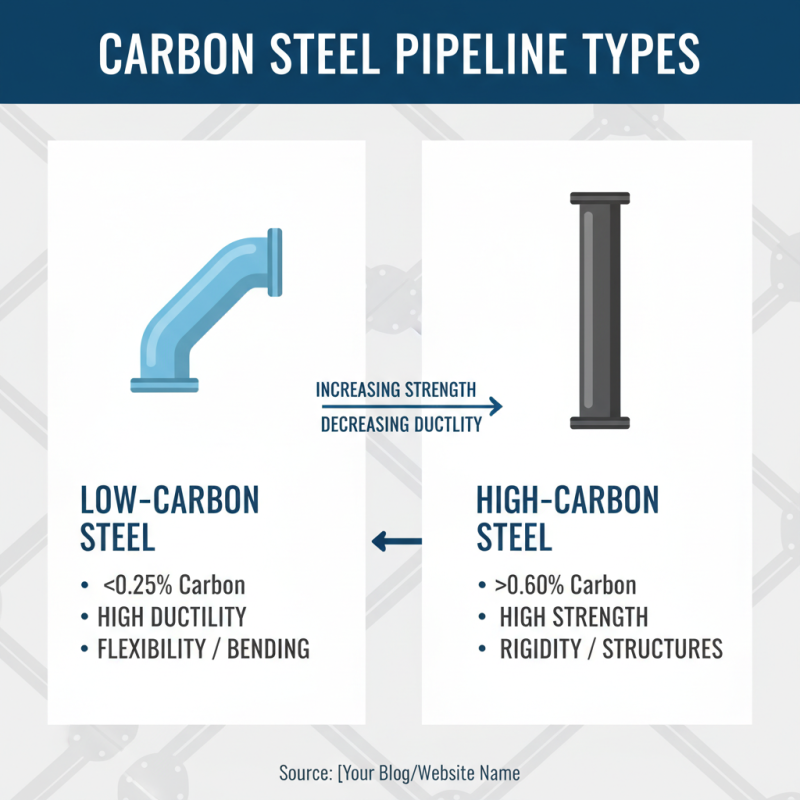
When selecting carbon steel pipelines, it's essential to understand the different types available. Carbon steel pipes are classified based on their carbon content, which impacts their strength and ductility. Low-carbon steel is often more ductile, making it suitable for applications requiring flexibility. In contrast, high-carbon steel offers greater strength but may sacrifice ductility, making it less ideal for bending.
Another critical type is the medium-carbon steel, a balance between strength and ductility. This type is commonly used in structural applications. Each type has its own set of mechanical properties, and these can significantly affect performance. Builders must consider factors like pressure ratings and corrosion resistance. However, finding the right balance is tricky. Overestimating the need for strength could lead to brittle failures.
The finishing treatments of carbon steel pipelines also vary widely. Some may receive coatings to enhance resistance against environmental factors. Others may be left untreated, which might create issues over time. It’s crucial to weigh the benefits of these treatments against their costs. This decision-making process is not always clear-cut. Each project presents unique challenges that require careful consideration of these variables.
Identifying Key Factors When Selecting Pipeline Materials
Selecting the right carbon steel pipeline for a project is not a simple task. Various factors play a crucial role in your choice. It's essential to consider the diameter and thickness of the pipe. Larger diameters might be necessary for transporting high volumes of fluids. Thicker walls usually withstand higher pressures.
Environmental conditions should also influence your selection. Corrosion resistance, for example, is vital. If the pipeline is exposed to harsh chemicals or extreme weather, choosing a more resistant material is wise. Understand the local climate and soil conditions. They can affect the longevity and performance of the pipeline, leading to unexpected costs.
Lastly, project specifications are often detailed. Pay attention to the intended use of the pipeline. Different applications require different grades of steel. Not every carbon steel can handle the same stress or chemical exposure. Overlooking these details might lead to significant issues in the future. A thoughtful approach saves money and ensures safety.
Evaluating Environmental and Operational Conditions for Your Project
When selecting a carbon steel pipeline for your project, understanding environmental conditions is crucial. Temperature extremes can impact material performance significantly. For instance, high temperatures may lead to softening. Conversely, very low temperatures can cause brittleness, making the pipeline more susceptible to cracking. Evaluating these factors upfront can prevent costly failures later.
Operational conditions also play a significant role. Consider the type of fluid being transported. Corrosive materials like acids or salts can degrade certain steel grades rapidly. In such cases, protective coatings or specialized alloys may be necessary. Additionally, pressure fluctuations can further strain the pipeline. If not accounted for, these variations might lead to leaks or ruptures.
Reflect on past projects where environmental and operational assessments were overlooked. Such oversights often resulted in performance issues and increased maintenance costs. Ensuring your pipeline can withstand specific conditions is not just about material selection; it's about proactive planning.
Adopting a thorough evaluation process can enhance safety and efficiency for your project in the long run.
Assessing Cost and Longevity for Carbon Steel Pipeline Options
When selecting a carbon steel pipeline, cost and longevity are crucial factors. Carbon steel is known for its strength and durability, but different grades can affect performance. Higher-grade options may cost more upfront, yet they often last longer, minimizing repair and replacement needs over time.
Tips: Consider the environment where the pipeline will be installed. Corrosive elements can impact longevity. For example, if the pipeline will carry fluids with high acidity, you might need to invest in protective coatings.
Evaluating the total lifecycle cost is essential. Cheap options may lead to frequent repairs. This can offset initial savings. Also, consult with engineers who have experience with carbon steel. Their insights can guide you in making informed decisions that prioritize both cost-effectiveness and durability.
Tips: Don't overlook the importance of regular maintenance. Neglect can lead to issues that compromise longevity. Establish an inspection schedule to catch any potential problems early.
How to Choose the Right Carbon Steel Pipeline for Your Project?
| Pipeline Type |
Approximate Cost per Meter ($) |
Lifespan (Years) |
Ideal Applications |
| Carbon Steel API 5L |
$50 |
30-50 |
Oil and Gas Transport |
| Carbon Steel ASTM A106 |
$55 |
20-40 |
High-Temperature Services |
| Corrosion-Resistant Carbon Steel |
$70 |
25-45 |
Chemical Processing |
| Galvanized Carbon Steel |
$65 |
15-30 |
Water Distribution |
| Low Alloy Carbon Steel |
$60 |
20-35 |
Structural Applications |
Understanding Industry Standards and Certifications for Pipelines
When selecting carbon steel pipelines, understanding industry standards and certifications is crucial. Organizations like the American Society for Testing and Materials (ASTM) and the American National Standards Institute (ANSI) play essential roles in regulating pipeline standards. These bodies provide guidelines on mechanical properties, chemical composition, and manufacturing processes. Reports from the World Steel Association indicate that compliance with these standards boosts pipeline durability and safety.
Certifications such as ISO 9001 ensure quality management systems meet specifications. Pipelines with such certifications are more likely to sustain rigorous operational demands. Data from the Pipeline and Hazardous Materials Safety Administration shows that certified pipelines report 30% fewer incidents. This highlights the significance of choosing pipelines that conform to recognized standards.
However, not all manufacturers uphold these standards consistently. Quality can vary significantly among producers. It's vital to conduct thorough research and audits. Implementing a proactive approach to safety and quality can mitigate risks. While standards provide a framework, the true challenge lies in ensuring compliance throughout the supply chain. Adapting to these standards may require additional investments in training and technology. This often leads projects to overestimate the feasibility of compliance. Striking the right balance between cost and quality is essential for project success.

 Angle Steel
 Channel Steel
 Universal Beam (l-Beam)
 H-Beam Steel
 Galvalume Steel Coil
 Galvalume Steel Sheet
 Galvanized Steel Sheet
 Color Coated Plate
 Stainless Steel Bar
 Stainless Steel Pipe
 Steel Bar
 Wire Rope
 Carbon Steel Pipe
 Carbon Steel Plate
 Aluminum Plate
 Aluminum Coil
 Aluminum Pipe
 Aluminum Bar
 Magnesium Ingot
 Fasteners