 Angle Steel
 Channel Steel
 Universal Beam (l-Beam)
 H-Beam Steel
 Galvalume Steel Coil
 Galvalume Steel Sheet
 Galvanized Steel Sheet
 Color Coated Plate
 Stainless Steel Bar
 Stainless Steel Pipe
 Steel Bar
 Wire Rope
 Carbon Steel Pipe
 Carbon Steel Plate
 Aluminum Plate
 Aluminum Coil
 Aluminum Pipe
 Aluminum Bar
 Magnesium Ingot
 Fasteners
Leave Your Message
-
Phone:+86-18365798883
-
E-mail:admin@sdxyy.cn
-
Whatsapp:+8618365798883
-
WeChat

When it comes to construction and industrial projects, choosing the right material is crucial. Welded steel pipe is a popular choice for many applications. This type of piping offers strength and durability, making it ideal for various environments. According to industry expert John Smith, "Selecting the right welded steel pipe can significantly impact the success of your project."
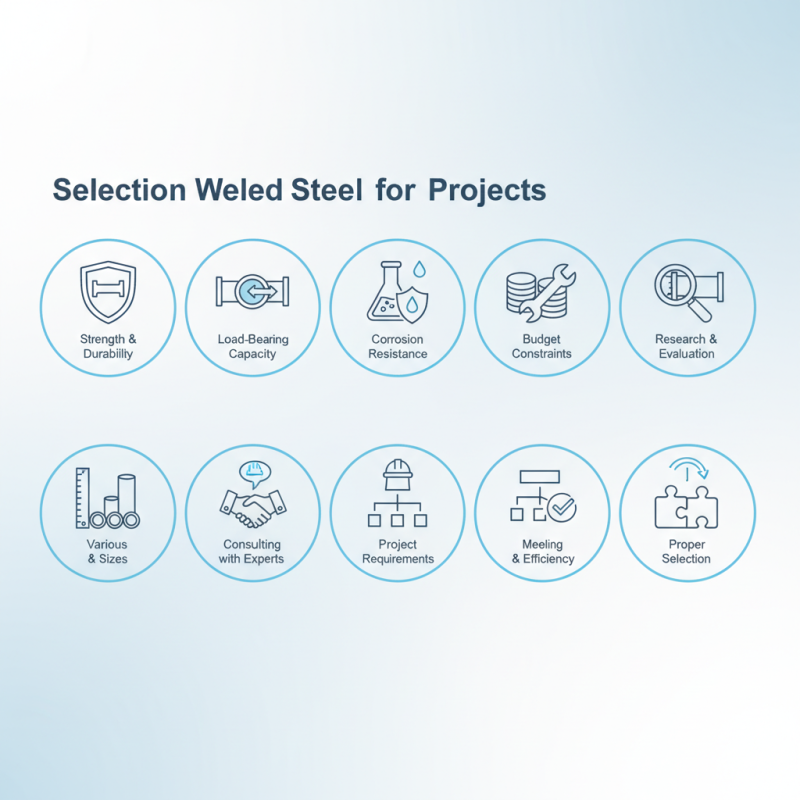
Each project has unique requirements. Factors like load-bearing capacity, corrosion resistance, and budget constraints play a role in material choice. Moreover, welded steel pipe comes in various grades and sizes. Understanding these options is essential. Often, buyers overlook the importance of consulting with experts before making a decision. This oversight can lead to costly mistakes.
Many professionals, including Smith, emphasize the value of proper research. Without it, you may end up with a product that doesn't meet your needs. Take the time to evaluate all available options. Wrong choices can derail timelines. Recognizing the significance of each aspect can ensure the right fit for your project. Proper selection of welded steel pipe truly matters.
Welded steel pipes are widely used in various applications. They are made by fusing two steel edges together. This process creates a strong bond, which is essential for structural integrity. These pipes can withstand high pressure. They are commonly used in construction, plumbing, and oil and gas industries.
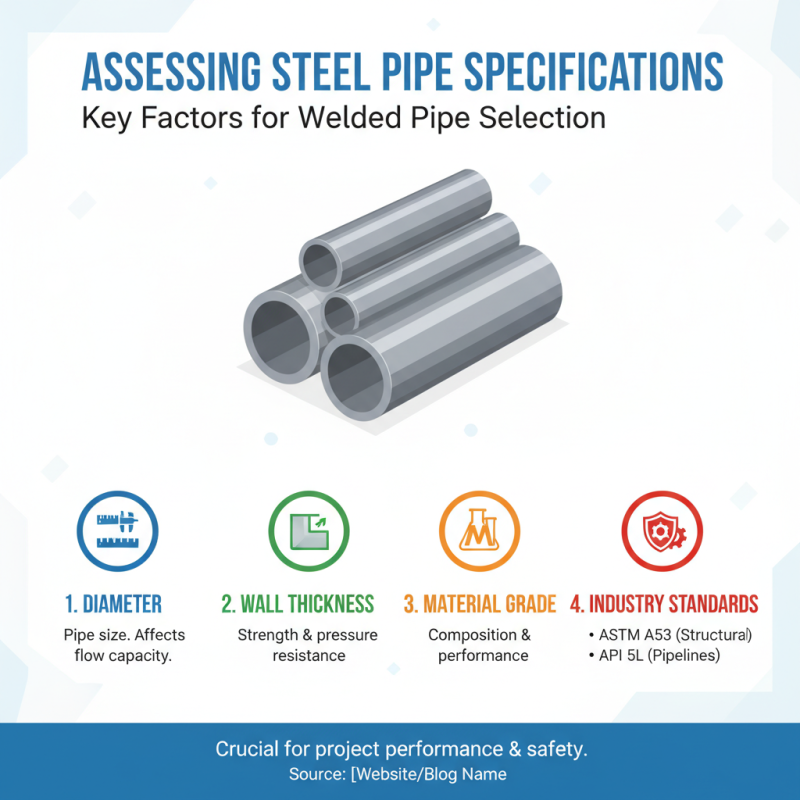
Understanding the basics of welded steel pipes is crucial. Different grades of steel offer varying levels of strength and corrosion resistance. Knowing the right specifications can make a difference. For example, the thickness of the pipe is significant. A thicker pipe can handle more stress, but is heavier and costlier.
Applications vary widely, from industrial to residential uses. You might find welded pipes in water supply lines, fences, or even furniture. However, improper selection can lead to failures. Always consider factors like heat treatment and welding method used. Correct knowledge can prevent costly mistakes. It is essential to ask questions and clarify doubts.
| Tip Number | Tip | Description | Common Applications |
|---|---|---|---|
| 1 | Understand Material Standards | Familiarize yourself with ASTM, ASME, and API standards for welded steel pipes. | Oil and gas industry, construction |
| 2 | Choose the Right Diameter | Select a diameter that meets the flow requirements and installation space. | Water supply, wastewater management |
| 3 | Consider Wall Thickness | Choose wall thickness based on pressure ratings and external loads. | Structural applications, pressure vessels |
| 4 | Assess Weld Quality | Inspect welds for consistency and strength; non-destructive testing is recommended. | High-stakes applications, pipelines |
| 5 | Evaluate Corrosion Resistance | Consider the environment and choose suitable coatings or finishes. | Marine constructions, chemical processing |
| 6 | Check Certification | Ensure products are certified by relevant industry bodies. | All applications requiring compliance |
| 7 | Review Technical Specifications | Read the complete technical datasheets for detailed insights. | Construction, infrastructure |
| 8 | Compare Weight and Load Bearing | Ensure the pipe can handle the intended load during transport and installation. | Bridges, buildings |
| 9 | Consult with Experts | Seek advice from engineers or project managers with experience in steel pipes. | Engineering projects, large-scale constructions |
| 10 | Budget Accordingly | Plan for quality materials to avoid future costs in repairs and failures. | General construction |