2026 How to Select the Best Stainless Coil for Your Projects?
Selecting the right Stainless Coil can significantly impact the success of your project. According to John Smith, a leading expert in metal fabrication, “Choosing the right material is key to durability and performance.” His insights shed light on why the selection process matters. Stainless Coils come in various grades, finishes, and thicknesses. Each option serves different needs in construction, manufacturing, and design.
Understanding the unique properties of each type of Stainless Coil is essential. Some may resist corrosion better than others. Others may provide superior strength or flexibility. Misjudging these factors can lead to project delays and increased costs. A common oversight is selecting a coil based solely on appearance, neglecting its functional attributes.
Experience shows that collaborating with suppliers can enhance decision-making. They often provide crucial information on product specifications. However, it’s important to question and verify this information. Not all suppliers are equally knowledgeable. Some may have hidden agendas, promoting their products irrespective of your project requirements. This reflects the complexity involved in selecting the best Stainless Coil for your unique needs.
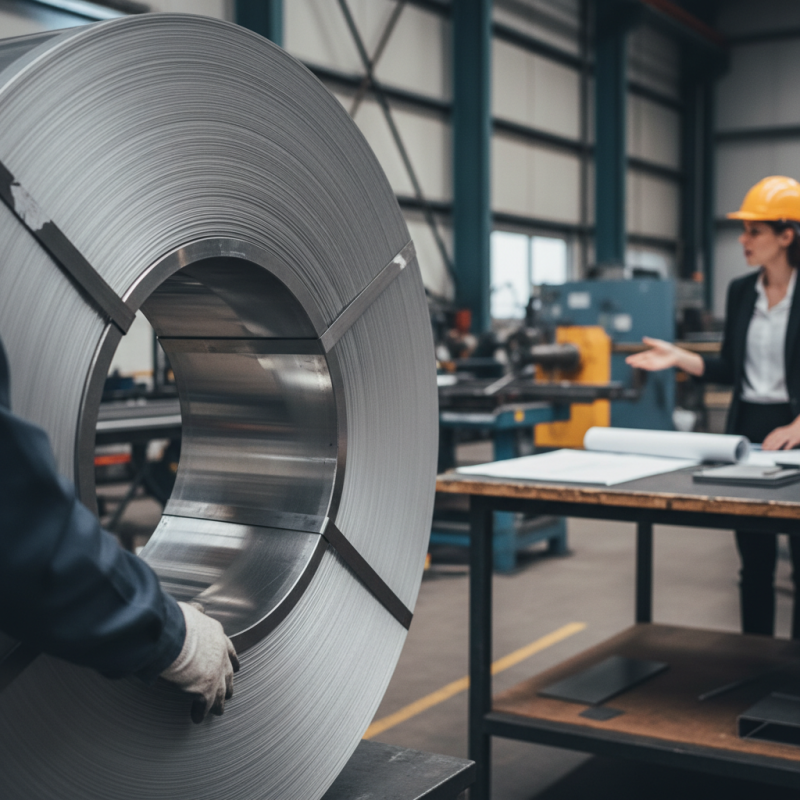
Understanding Stainless Steel Coil Grades and Types
When selecting stainless steel coils, understanding the different grades is crucial. Stainless steel comes in various grades, each with unique properties. For example, 304 stainless steel is known for its excellent corrosion resistance. It is suitable for food processing and kitchen applications. Meanwhile, 316 stainless steel offers even better corrosion resistance, making it ideal for marine environments.
Different types of stainless steel coils also exist. Certain coils may be better suited for bending and forming tasks. Others might excel in welding applications. The choice often hinges on the project requirements. High-quality stainless steel often comes with higher price tags. This makes cost a key factor in decision-making.
Sometimes, choosing the right coil can feel overwhelming. Not every project needs the highest grade. Balancing quality and budget is essential. While one might wish for perfection, it's important to reflect on the specific needs of your project. Understanding these distinctions can lead to better long-term decisions.
Comparison of Stainless Steel Coil Grades
Key Factors to Consider When Selecting Stainless Steel Coil
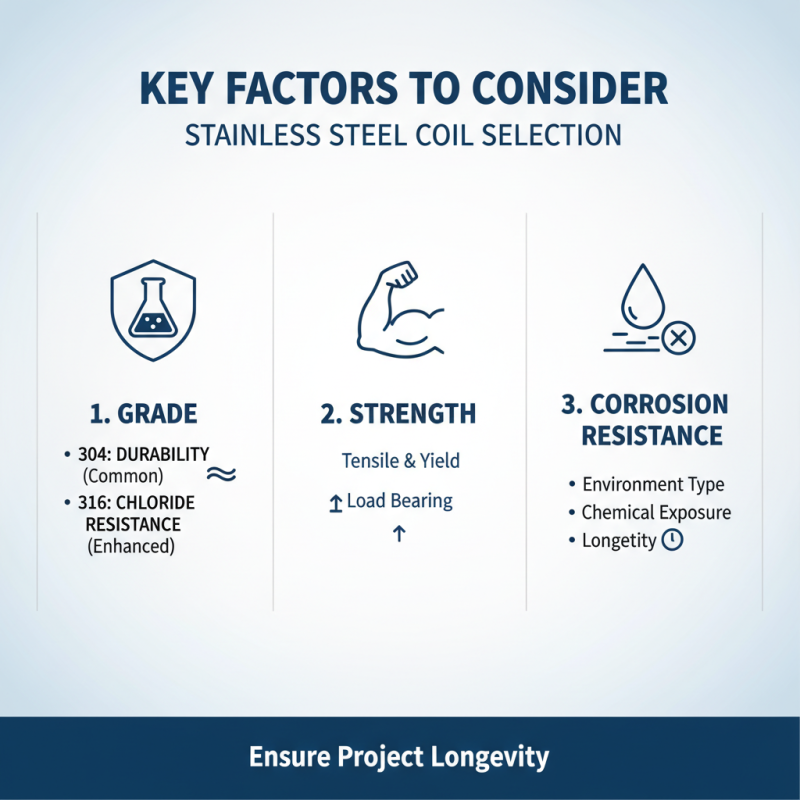
When selecting stainless steel coil for projects, several key factors should guide your decision. Firstly, consider the grade of stainless steel. Different grades offer varying levels of corrosion resistance and strength. For example, 304 stainless steel is commonly used for its durability, while 316 grade provides enhanced resistance to chlorides. Understanding these nuances is essential for ensuring that your project meets its longevity requirements.
Next, thickness and width play critical roles in your selection. Thicker coils provide additional strength, but may be harder to work with. On the other hand, thinner coils might be more manageable but can compromise strength. It's important to choose a width that fits your specific application. This requires considering the end use of the coil, such as whether it's for structural components or decorative purposes.
Another factor is the surface finish. Polished finishes might be desired for aesthetic projects, while grain finishes may be suited for functional applications. Your choice in surface finish can also impact the coil’s resistance to scratches and wear. Each decision should be guided by practical considerations and the intended environment of use. Reflecting on these aspects will lead to a selection that aligns with both performance and operational goals.
Applications of Stainless Steel Coils in Various Industries
Stainless steel coils find applications across a variety of industries due to their unique properties. In the automotive sector, they are often used for exhaust systems and structural components. Their resistance to corrosion and heat makes them ideal for these applications. The lightweight nature of stainless steel coils also contributes to improved fuel efficiency in vehicles.
In the construction industry, stainless steel coils are commonly used in architectural features, handrails, and roofing materials. Their aesthetic appeal, combined with durability, makes them a popular choice. While they require initial investment, the long-term benefits, including reduced maintenance costs, can be significant.
Another sector utilizing stainless steel coils is the food and beverage industry. They are essential for manufacturing equipment and processing surfaces due to their hygienic properties. Yet, selecting the right coil can be challenging. Factors such as thickness and finish must align with specific needs. Understanding these variables can lead to better outcomes in projects.
2026 How to Select the Best Stainless Coil for Your Projects? - Applications of Stainless Steel Coils in Various Industries
| Industry |
Common Applications |
Stainless Steel Coil Type |
Typical Thickness (mm) |
Benefits |
| Automotive |
Exhaust systems, chassis components |
304 |
1.2 - 3.0 |
Corrosion resistant, high strength |
| Construction |
Structural frameworks, facades |
316 |
1.5 - 5.0 |
Durable, aesthetic appeal |
| Food processing |
Storage tanks, piping |
304L |
1.0 - 2.5 |
Food safe, easy to clean |
| Oil and Gas |
Pipelines, offshore platforms |
duplex 2205 |
2.0 - 6.0 |
High strength, resistance to pitting |
| Pharmaceutical |
Equipment, sterilization containers |
316L |
1.5 - 4.0 |
Non-reactive, high purity |
Comparison of Stainless Steel Coil Suppliers and Brands
Selecting the right stainless steel coil for your projects is crucial. Many suppliers offer a variety of grades, sizes, and finishes. Each provider has its strengths and weaknesses. Understanding these differences can enhance your decision-making process.
Tips: Always compare the thickness and resistance properties. Some coils may look similar, but their performance can vary significantly. Checking reviews and ratings from past users can be very enlightening. Don’t overlook the importance of material certifications and compliance standards.
When evaluating brands, consider supply chain reliability. Delays can jeopardize project timelines. Look for suppliers with a proven track record of on-time deliveries. Asking for samples can also help gauge the quality. Sometimes, a lower price can hint at compromises in quality or service.
Tips: Reach out to industry professionals for recommendations. Their insights might reveal hidden gems in the market. Be aware of the lifecycle costs, including maintenance. It's easy to focus on upfront costs and ignore long-term implications.
Maintenance and Care Guidelines for Stainless Steel Coils
When selecting stainless steel coils, maintenance and care are crucial for longevity. Regular cleaning is essential. Dirt and contaminants can degrade the surface. A simple solution of mild soap and water often suffices. For tough stains, a mixture of vinegar and baking soda can restore shine. Industry studies show that regular maintenance can extend the lifespan of stainless steel products by up to 50%.
Protecting stainless coils from corrosive environments is also vital. Exposure to harsh chemicals can lead to pitting and rust. It's important to know the specific alloy of the coil, as some are more resistant than others. For instance, 316-grade stainless steel offers superior corrosion resistance compared to 304-grade. However, even 316-grade requires care in hostile environments.
Stainless steel can lose its luster if neglected. Over time, fingerprints and smudges build up, detracting from appearance. It’s important to inspect coils regularly. This proactive approach helps identify potential issues early. A small investment in care can prevent extensive damage later. Exploring comprehensive maintenance protocols can lead to better performance in projects.

 Angle Steel
 Channel Steel
 Universal Beam (l-Beam)
 H-Beam Steel
 Galvalume Steel Coil
 Galvalume Steel Sheet
 Galvanized Steel Sheet
 Color Coated Plate
 Stainless Steel Bar
 Stainless Steel Pipe
 Steel Bar
 Wire Rope
 Carbon Steel Pipe
 Carbon Steel Plate
 Aluminum Plate
 Aluminum Coil
 Aluminum Pipe
 Aluminum Bar
 Magnesium Ingot
 Fasteners