2026 How to Source High Quality Carbon Steel Pipeline?
Sourcing high-quality Carbon Steel Pipeline requires careful consideration and reliable knowledge. The demand for robust pipelines has never been higher. Industries rely on these materials for their durability and strength. However, not all suppliers meet the same standards.
One must evaluate the source thoroughly to ensure the pipeline's integrity. Look for manufacturers with a proven track record in producing Carbon Steel Pipeline. Quality control procedures should be transparent and accessible. Engaging with suppliers who prioritize ethical practices is vital.
Potential buyers often face challenges in distinguishing between quality and subpar materials. It's essential to research and request certifications. Sometimes, the cheapest option may lead to issues down the line. Understanding the specifications and applications of the pipeline can also guide informed decisions. Quality sometimes comes with a higher price tag, but it is worth the investment.
Understanding Carbon Steel Pipeline Specifications and Standards
When sourcing high-quality carbon steel pipelines, understanding specifications and standards is crucial. Carbon steel pipelines are primarily classified by grades, thickness, and mechanical properties. The American Society for Testing and Materials (ASTM) provides guidelines such as ASTM A106 for seamless carbon steel pipes, which covers requirements for materials used in high-temperature applications.
According to industry reports, the global carbon steel pipe market is projected to grow at approximately 4.5% CAGR by 2026. This growth highlights the importance of quality standards. A key specification includes yield strength, typically ranging from 240 MPa to over 500 MPa, depending on the grade. Ignoring these specifications can lead to costly failures in high-pressure scenarios.
Moreover, corrosion resistance is another essential factor. Ensuring the right coating and treatment is vital, as carbon steel is prone to rust. The absence of appropriate protective measures can jeopardize long-term performance. It is vital to evaluate suppliers based on their adherence to these standards. A thorough review of their certifications and past project experience can reveal insights into reliability and quality assurance practices.
Identifying Reliable Suppliers for High Quality Carbon Steel
When sourcing high-quality carbon steel pipelines, reliable suppliers play a crucial role. The pipeline industry is projected to grow significantly, reaching a market size of over $7 billion by 2026. Supplier selection affects project timelines and budgets.
Evaluating supplier capabilities is vital. Look for suppliers with ISO 9001 certification. This certification indicates a strong commitment to quality management. Additionally, suppliers should provide material test reports. These reports help verify that the steel meets required specifications. Industry data shows that 75% of projects face delays due to quality issues stemming from unreliable suppliers.
Consider visiting suppliers’ facilities for guided tours. This can give insights into their production processes. A hands-on assessment often reveals more than certifications alone. Suppliers who engage in continuous improvement usually have better reliability, based on sector analysis. It can be a lengthy process, but gathering these details greatly reduces the risk of future issues. Investing time in supplier selection can prevent costly mistakes down the line.
Evaluating the Manufacturing Processes of Carbon Steel Pipelines
When sourcing high-quality carbon steel pipelines, understanding the manufacturing processes is crucial. Various techniques affect the steel's properties and overall performance. Hot rolling is a common method used to create pipes. It involves heating the steel to a high temperature and then shaping it. This process can produce strong, uniform pipes but may result in surface imperfections.
Cold rolling is another technique, offering tighter tolerances and enhanced surface quality. The steel is processed at room temperature, which improves its strength. However, this method requires more energy and can lead to increased costs. Evaluating the specific manufacturing process can help identify the best fit for your project’s needs.
Welding practices also play a significant role in the final product’s quality. Different welding methods, such as submerged arc welding (SAW) or electric resistance welding (ERW), each have advantages and challenges. Sometimes, these techniques may not fully eliminate defects, leading to potential weak points in the pipeline. Balancing cost and quality during this evaluation is essential for ensuring reliable materials. A comprehensive understanding of these factors will guide you toward sourcing the right carbon steel pipelines for your projects.
Assessing the Quality Control Measures in Steel Production
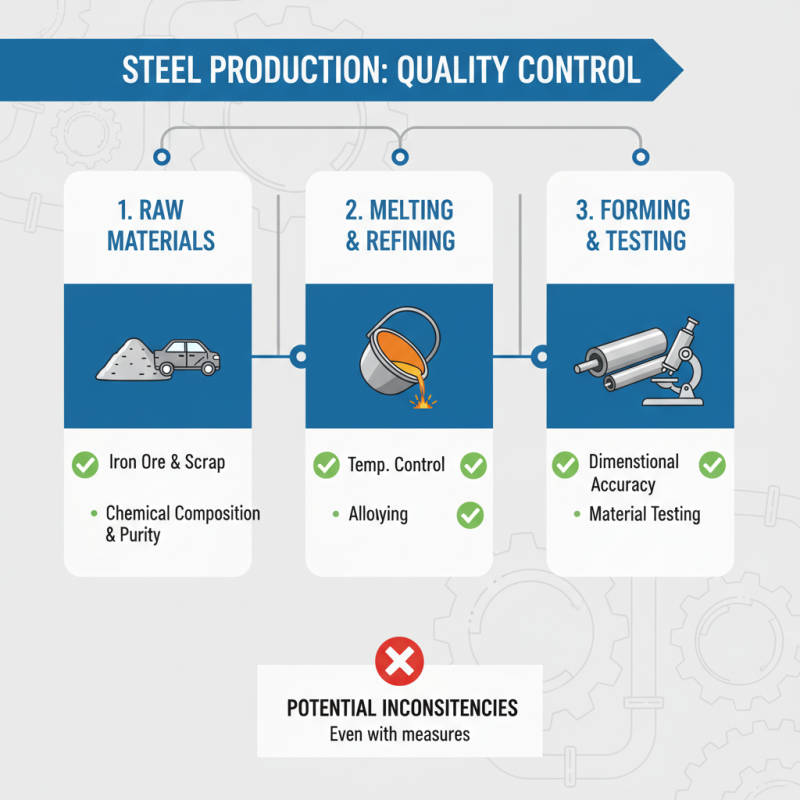
Assessing the quality control measures in steel production is crucial for sourcing high-quality carbon steel pipelines. Effective quality control begins with raw material selection. Steel mills must ensure their iron ore and scrap materials meet specific standards. This process requires strict adherence to chemical composition and impurity limits. However, even with these measures, inconsistencies can occur.
The production process itself plays a vital role in quality assurance. Continuous monitoring during casting and rolling helps detect flaws early. Advanced techniques like ultrasonic testing are often employed to identify internal defects. However, human error can still influence results. One overlooked area may be the calibration of testing equipment. If not regularly maintained, inaccuracies could arise.
Finally, the importance of post-production inspection cannot be overlooked. Visual inspections and pressure tests are standard practices. Yet, relying solely on these methods may not uncover all possible issues. A comprehensive review of the entire production process is critical. Still, many facilities may neglect this, resulting in a lack of transparency. Building rigorous quality control measures requires ongoing commitment and reflection.
Implementing Best Practices for Sourcing Carbon Steel Pipelines
Sourcing high-quality carbon steel pipelines requires a strategic approach. Key factors include understanding material specifications and supplier capabilities. One must research the technical standards that govern carbon steel pipelines, as various applications may demand different grades. Consider engaging with suppliers who demonstrate expertise and reliability in the industry.
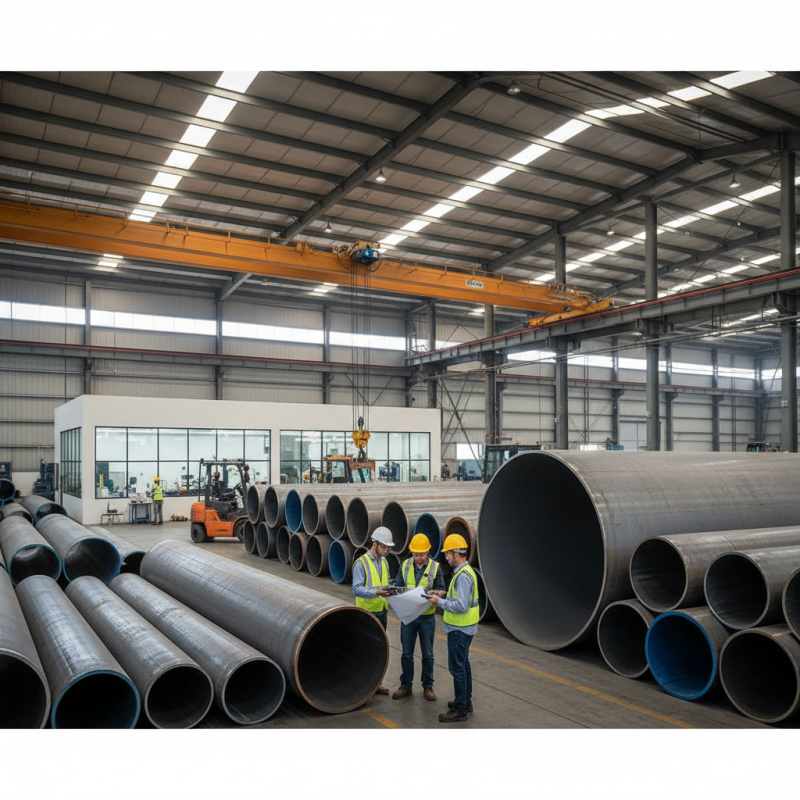
When approaching potential suppliers, assess their production processes. A factory tour can reveal a lot about manufacturing quality. Ask questions about their quality control methods. Are they certified by recognized organizations? Look for independent audits to validate their claims. Verify their compliance with industry standards, such as ASTM or ISO certifications, to ensure consistency and reliability.
A crucial aspect is building strong relationships with suppliers. Communication fosters trust and transparency. Provide clear specifications and expectations. Be willing to discuss viable alternatives if the desired product is unavailable. Reflecting on past sourcing experiences is valuable; learn from mistakes to improve future decisions. Balancing quality, cost, and lead time is essential for sourcing carbon steel pipelines effectively.

 Angle Steel
 Channel Steel
 Universal Beam (l-Beam)
 H-Beam Steel
 Galvalume Steel Coil
 Galvalume Steel Sheet
 Galvanized Steel Sheet
 Color Coated Plate
 Stainless Steel Bar
 Stainless Steel Pipe
 Steel Bar
 Wire Rope
 Carbon Steel Pipe
 Carbon Steel Plate
 Aluminum Plate
 Aluminum Coil
 Aluminum Pipe
 Aluminum Bar
 Magnesium Ingot
 Fasteners