2026 Top Stainless Steel Tube Trends You Should Know?
In the evolving landscape of construction and manufacturing, the role of the Stainless Steel Tube is more critical than ever. As industries seek durability, sustainability, and aesthetic appeal in their materials, the trends surrounding stainless steel tubes are shifting. These trends reflect innovation and practicality, extending their applications across various sectors, from automotive to architecture.
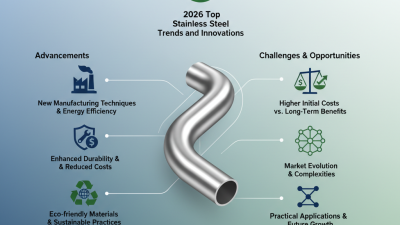
This article explores the most significant trends in stainless steel tubes for 2026. One trend is the push for eco-friendly production methods. Manufacturers are focusing on reducing carbon footprints. Another emerging trend is the customization of stainless steel tubes to meet specific project requirements. This flexibility is gaining traction among designers and engineers.
However, there are challenges in the industry. Quality control remains a persistent issue. Not all products meet the standards needed for critical applications. It's essential for professionals to stay informed and adapt to these trends. Understanding these dynamics will help you navigate the complexities of using stainless steel tubes effectively in modern projects.

Emerging Applications of Stainless Steel Tubes in Various Industries
Stainless steel tubes are gaining traction across multiple industries. These tubes excel in areas like construction, automotive, and healthcare. According to a recent market analysis, the global stainless steel tube market is projected to reach $8.53 billion by 2026, growing at a CAGR of 5.2%. This rapid growth reflects the materials' versatility and durability.
In construction, stainless steel tubes offer both aesthetic appeal and structural integrity. They are used in everything from handrails to complex frameworks. The automotive sector is increasingly adopting them for exhaust systems and fuel lines. Their resistance to corrosion enhances vehicle longevity. Meanwhile, the healthcare industry values stainless steel tubes for their hygienic properties. Many medical devices utilize these tubes due to their ability to withstand sterilization processes.
Emerging applications are noteworthy. New technologies are being developed to optimize tube performance. Innovations include lightweight stainless steel alloys that maintain strength while reducing weight. However, some manufacturers face challenges in balancing cost and quality. As industries evolve, the demand for reliable and efficient stainless steel tubes will only increase.
Innovative Manufacturing Techniques Shaping Stainless Steel Tube Production
Innovative manufacturing techniques are revolutionizing stainless steel tube production in 2026. Advanced methods such as additive manufacturing and precision laser cutting are gaining traction. Reports indicate that these techniques can reduce production time by up to 30%. Manufacturers are exploring how these innovations can enhance efficiency and lower costs.
Additive manufacturing, for instance, allows for complex designs that were once impossible. This method minimizes waste material, crucial for sustainability. A recent industry survey revealed that 45% of manufacturers prioritize eco-friendly practices. However, the transition to these new methods poses challenges. High initial investments and a steep learning curve can deter some firms.
Precision laser cutting offers improved accuracy and consistency. It enhances the quality of the final product, which is essential in industries like aerospace and automotive. Yet, the reliance on advanced technology raises questions about job displacement and the need for skilled labor. Addressing these concerns is vital for a balanced growth in the stainless steel tube sector.
Key Design Features Driving the Demand for Stainless Steel Tubes
The demand for stainless steel tubes is influenced by several key design features. One significant feature is corrosion resistance. Stainless steel tubes excel in environments with moisture and chemicals. A recent market report indicates that the demand for such tubing is projected to grow by 5% annually through 2026. This growth is driven by industries like construction and automotive.
Another vital aspect is the lightweight nature of stainless steel. Manufacturers are focusing on creating thinner, stronger tubes. Innovations in technology have led to materials that are both durable and lightweight. These advancements allow for better efficiency in various applications. The aerospace sector, for example, has noted a 7% increase in the use of stainless steel tubes due to their strength-to-weight ratio.
**Tip:** Consider the application of stainless steel tubes carefully. Different industries may prioritize specific features over others. Always evaluate the performance needs before making a selection.
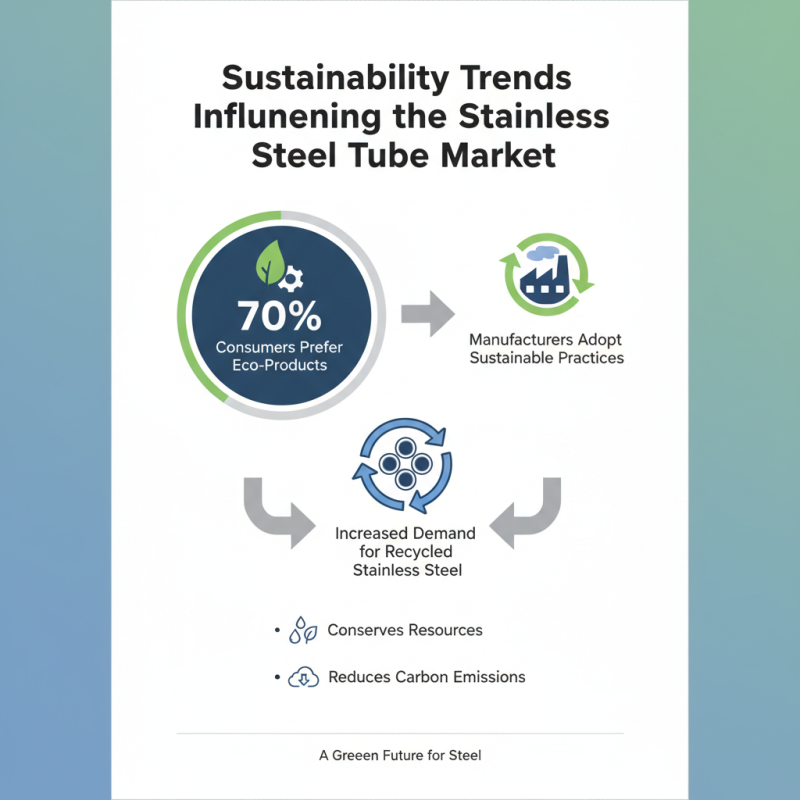
Sustainability also plays a crucial role. The recycling rate of stainless steel is high, making it an eco-friendly choice. However, not all suppliers adhere to sustainable practices. It's essential for buyers to research and choose reliable sources.
**Tip:** Investigate suppliers' sustainability credentials. Ensuring responsible sourcing can impact both environmental and project outcomes. Embrace a conscientious approach to procurement.
2026 Top Stainless Steel Tube Trends
Future Market Predictions for Stainless Steel Tube Growth and Development
The stainless steel tube market is poised for significant growth in the coming years. Analysts predict that demand will rise due to various factors, including infrastructure development and increased industrial usage. These trends suggest a promising future for manufacturers and suppliers.
Emerging markets, particularly in Asia and Africa, are expected to drive this growth, providing new opportunities.
Sustainability is becoming vital in the industry. Companies are exploring eco-friendly production methods. Innovations such as recycling and alternative materials are gaining traction. However, achieving these goals can be challenging. The transition requires investment and commitment from all stakeholders. Additionally, fluctuations in raw material prices could impact profitability.
The competitive landscape is evolving. As more players enter the market, differentiation becomes essential. Companies must focus on quality and customer service to stand out. They should stay informed about market trends and technological advancements.
Leveraging data analytics and customer insights can enhance strategic decisions. However, a cautious approach is necessary to avoid overextending resources in uncertain times.

 Angle Steel
 Channel Steel
 Universal Beam (l-Beam)
 H-Beam Steel
 Galvalume Steel Coil
 Galvalume Steel Sheet
 Galvanized Steel Sheet
 Color Coated Plate
 Stainless Steel Bar
 Stainless Steel Pipe
 Steel Bar
 Wire Rope
 Carbon Steel Pipe
 Carbon Steel Plate
 Aluminum Plate
 Aluminum Coil
 Aluminum Pipe
 Aluminum Bar
 Magnesium Ingot
 Fasteners