Top 5 Tips for Sourcing Cold Rolled Steel Efficiently?
Cold rolled steel has become a pivotal component in various industries due to its superior finish and mechanical properties. According to a report by the World Steel Association, global demand for cold rolled steel is projected to increase by 3% annually over the next several years. This trend underscores the importance of efficient sourcing strategies in today’s competitive market.
Expert James Harper, a renowned material scientist in the steel industry, emphasizes the need for precision and quality. He states, “Effective sourcing of cold rolled steel can significantly enhance product performance.” As industries strive for higher quality and lower costs, optimizing sourcing methods becomes essential. However, the challenge remains that many companies struggle with supplier reliability and material consistency.
Navigating this complex terrain requires a strategic approach and informed decision-making. Discrepancies in quality can lead to costly production delays and product failures. Companies must reflect on their current practices and embrace innovation. A better understanding of sourcing cold rolled steel is not just necessary; it is critical for maintaining a competitive edge.
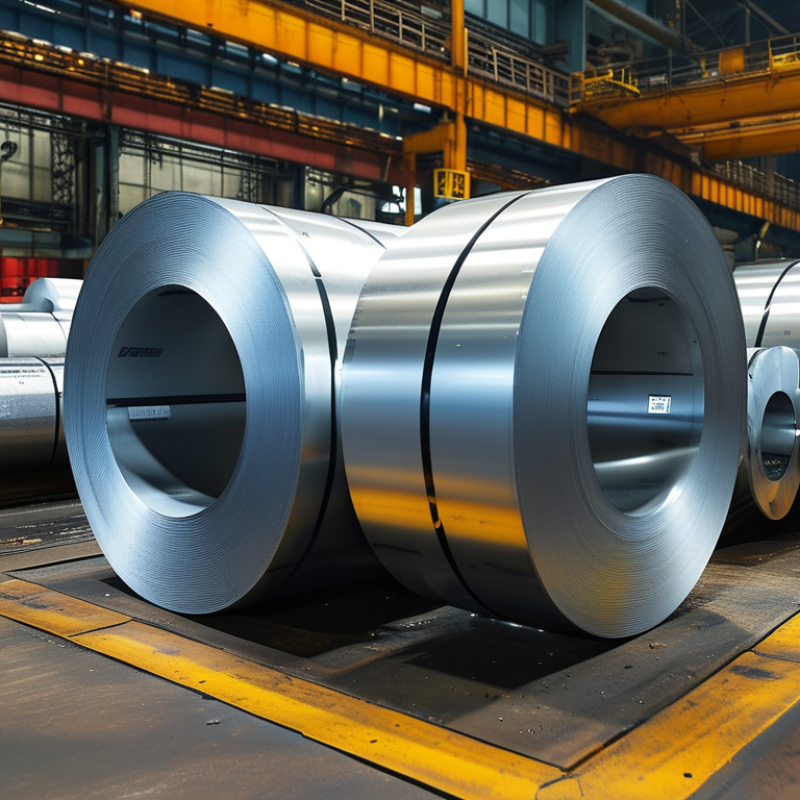
Identifying Reliable Suppliers for Cold Rolled Steel
Identifying reliable suppliers for cold rolled steel requires careful consideration. Statistics indicate that over 70% of steel buyers prioritize supplier reliability when sourcing materials. It’s crucial to evaluate suppliers based on their production capabilities and quality control standards. Look for suppliers that have certifications, such as ISO 9001. These certifications provide a framework for assessing their commitment to quality.
Engaging in industry networks can help you find trustworthy suppliers. Attending trade shows or joining professional associations allows you to connect with other industry stakeholders. A survey by the American Iron and Steel Institute found that networking can lead to better supplier relationships and improved sourcing efficiency. Remember, poor supplier performance can lead to production delays and increased costs.
Conducting background checks is essential. Investigate a supplier’s financial health and stability. A strong supplier is less likely to face disruptions. Quality concerns often arise when suppliers experience financial issues. Regularly communicating with potential suppliers can reveal insights into their operations and reliability. This proactive approach can ultimately safeguard your supply chain.
Understanding Specifications and Standards in Cold Rolled Steel Sourcing
When sourcing cold rolled steel, understanding specifications and standards is essential. Cold rolled steel comes in various grades, each suited for specific applications. Familiarity with ASTM standards, such as ASTM A1008, ensures you are sourcing the correct material type. This standard outlines necessary mechanical properties and dimensions, which impact the end product's performance.
Not all suppliers provide complete specification details. It’s crucial to ask for certificates of compliance that align with your requirements. Investigating the mill's processing methods can reveal information about surface quality and tolerances. Additionally, considering the steel's thickness and coating is necessary for suitability in various projects.
Consulting industry experts can fill gaps in your knowledge. Sourcing teams often overlook small details, which may lead to larger issues later. Remember, not every supplier may adhere to the same standards, so diligence is key. An understanding of specifications enhances communication, promoting better relationships with vendors. This knowledge can lead to more reliable sourcing decisions.
Evaluating Cost Factors and Pricing Strategies for Cold Rolled Steel
When evaluating cost factors for cold rolled steel, several elements come into play.
The price of raw materials can fluctuate significantly, impacting final costs.
Monitoring these price trends is essential for making informed purchasing decisions.
Another crucial factor is transportation cost.
The distance from the supplier can alter pricing, especially in remote areas.
One effective tip is to establish relationships with multiple suppliers.
This allows for better negotiation power when discussing prices.
Having options can lead to more competitive rates.
Another approach involves analyzing volume discounts.
Purchasing larger quantities often reduces cost per unit.
However, be wary of overstocking, as this can tie up capital.
Consider the timing of your purchases.
Prices may vary with market demand.
Keeping abreast of industry trends can offer opportunities for savings.
Additionally, assess the quality of steel.
A lower price may mean compromised strength or durability, which could lead to increased costs later.
Balancing quality with cost is a key challenge.
Establishing Effective Communication Channels with Suppliers
Effective communication is crucial when sourcing cold rolled steel. Establishing clear channels with suppliers can significantly enhance your procurement process. Direct and consistent communication helps in understanding each other’s needs and expectations. Regular check-ins can build trust and reduce misunderstandings, leading to smoother transactions.
Consider these tips for better communication with your suppliers. Schedule frequent updates to discuss pricing, availability, and specifications. This creates a collaborative environment. Use tools like shared documents and project management software to keep everyone on the same page. Keep your requests clear and concise to prevent any confusion.
Remember, feedback is essential. Ask for input on your queries and orders. This encourages a two-way dialogue. Reflecting on past interactions can provide insights into improving your approach. Understand that not every communication will go perfectly. It's a learning experience. Adjust based on the responses you receive, and strive for continuous improvement to foster solid supplier relationships.
Top 5 Tips for Sourcing Cold Rolled Steel Efficiently
This chart illustrates the efficiency ratings of different suppliers for sourcing cold rolled steel. Ratings are based on various criteria such as communication effectiveness, delivery times, and flexibility.
Implementing Quality Control Measures in the Sourcing Process
Implementing quality control measures in the sourcing process for cold rolled steel is crucial. Proper inspections can save time and reduce costs. Start by inspecting the materials upon arrival. Verify certifications to ensure they meet industry standards. An ineffective inspection process can lead to significant quality issues down the line.
Engaging with suppliers regularly adds value. Foster transparent communication to address potential quality concerns early. Schedule routine audits of suppliers to assess their quality control processes. This may uncover gaps in their procedures, leading to improvements. Trust is vital, and often, suppliers can provide insights into their quality assurance measures.
Documentation plays a key role in quality control. Maintain detailed records of all inspections and communications. This accountability creates a reliable reference for future sourcing decisions. Consider adopting statistical process control to monitor quality consistently. While no process is perfect, a strong focus on quality can lead to efficient sourcing and better end products. Achieving this balance often requires revisiting methods and acknowledging areas for improvement.
Top 5 Tips for Sourcing Cold Rolled Steel Efficiently - Implementing Quality Control Measures in the Sourcing Process
| Tip Number |
Tip Description |
Expected Outcome |
Implementation Difficulty |
| 1 |
Evaluate Supplier Certifications |
Increased assurance of quality standards |
Medium |
| 2 |
Conduct Regular Audits |
Early detection of quality issues |
High |
| 3 |
Implement a Quality Management System |
Streamlined quality processes |
High |
| 4 |
Foster Supplier Relationships |
Improved collaboration and trust |
Medium |
| 5 |
Utilize Technology for Quality Monitoring |
Real-time quality tracking |
High |

 Angle Steel
 Channel Steel
 Universal Beam (l-Beam)
 H-Beam Steel
 Galvalume Steel Coil
 Galvalume Steel Sheet
 Galvanized Steel Sheet
 Color Coated Plate
 Stainless Steel Bar
 Stainless Steel Pipe
 Steel Bar
 Wire Rope
 Carbon Steel Pipe
 Carbon Steel Plate
 Aluminum Plate
 Aluminum Coil
 Aluminum Pipe
 Aluminum Bar
 Magnesium Ingot
 Fasteners