Top 10 Uses for Square Tube in Construction and Design?
Square tubes are gaining prominence in construction and design. These versatile components enhance both structural integrity and aesthetic appeal. Reports suggest that the global market for square tubes is projected to grow at a CAGR of 5.3% through 2025.
Experts like Dr. Emily Carter, a leading materials engineer, have emphasized their importance. She once stated, "Square tubes offer unmatched strength-to-weight ratios, making them ideal for various applications." Yet, there are challenges in sourcing high-quality square tube materials. Many builders face difficulties due to inconsistent supply chains.
Innovative uses of square tubes are endless, from elegant furniture designs to robust structural frameworks. However, the overreliance on square tubes without proper planning can lead to unforeseen complications. Industry leaders agree on the transformative potential of square tubes, but they also warn against hasty implementations without thorough research.
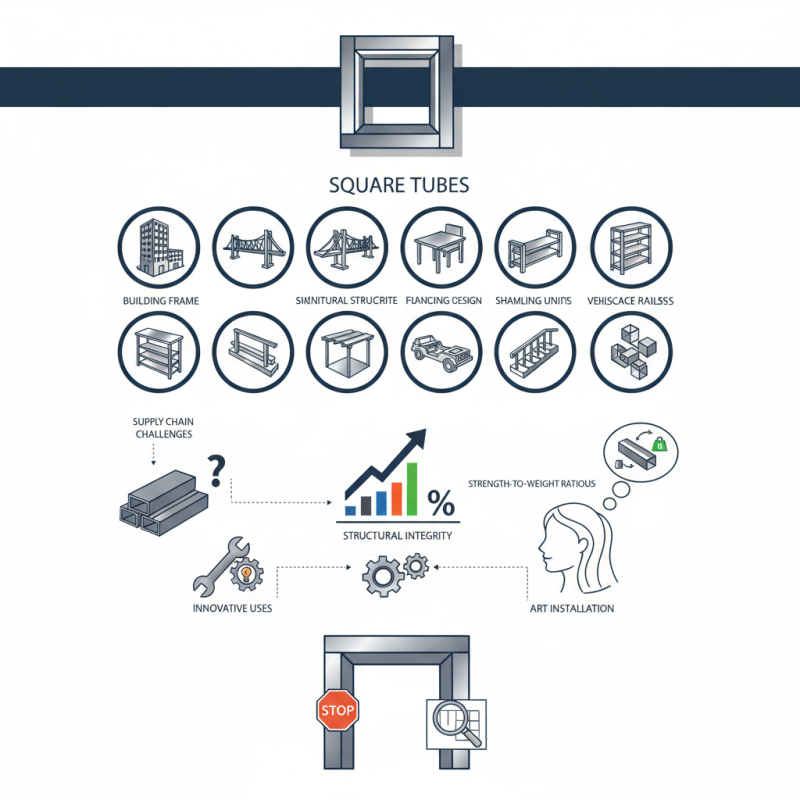
Applications of Square Tube in Structural Frameworks
Square tubes have become a staple in constructing structural frameworks. Their geometric design leads to enhanced load-bearing capacities and ease of installation. According to a report by the American Institute of Steel Construction, square tubes can support more weight than round tubes of the same material. This makes them ideal for beams and columns in both residential and commercial buildings.
In addition, square tubes provide a platform for versatile design. They are often used in scaffolding, creating stable platforms for workers and materials. The structural integrity offered by square tubes is essential for tall buildings and bridges. A recent study showed that structures using square tubes are more resistant to lateral forces, such as wind and seismic activity. This adaptability has resulted in their popularity in various architectural styles.
However, the effective use of square tubes can sometimes be limited by their weight. Installation challenges arise, especially in high-rise developments. Additionally, not all fabricators are experienced with the nuances of square tube construction. Misalignments can occur during assembly, leading to compromise in structural integrity. Addressing these issues requires skilled labor and careful planning. As the industry continues to evolve, acknowledging these potential drawbacks is key to innovative solutions.
Square Tube Usage in Architectural Design Elements
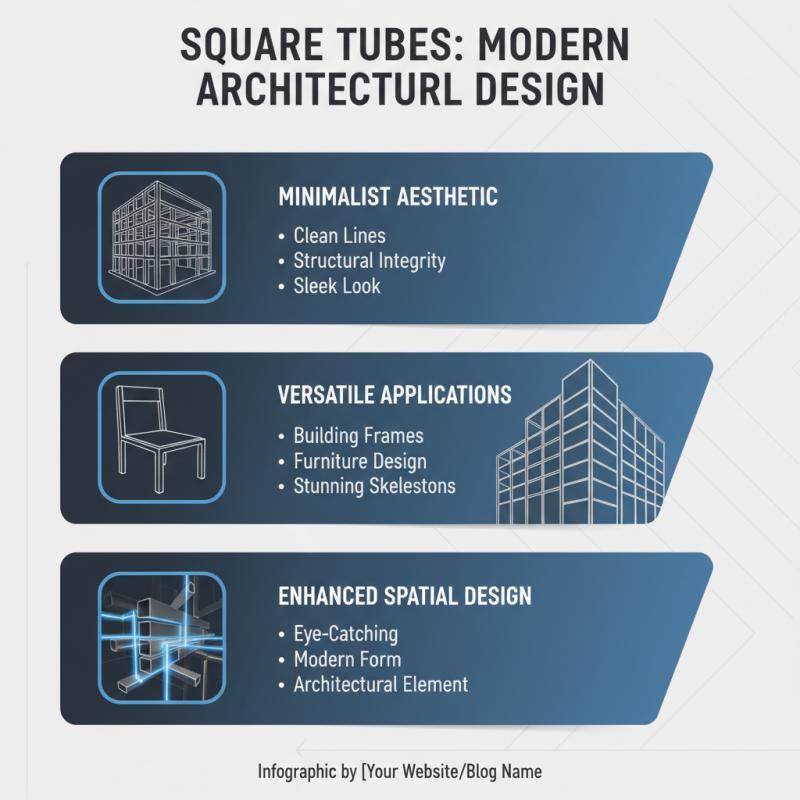
Square tubes have become popular in modern architectural design. Their clean lines and structural integrity provide a minimalist aesthetic that many designers seek. These tubes can be used for framing, creating stunning skeletons for buildings or even furniture. When strategically placed, they draw the eye and enhance a space's overall design.
In public spaces, square tubes serve various purposes. They can form barriers or railings while ensuring safety. The geometric shapes invite creativity, allowing innovative installations. Commonly, architects combine square tubes with glass or wood for contrast. However, the challenge lies in balancing aesthetics and functionality. Sometimes, the choice of materials can clash, leading to a design that lacks harmony.
Even in residential projects, square tubes add charm. For example, they can form elegant staircases or unique shelving units. These elements stand out but must be integrated thoughtfully to avoid overwhelming the space. The size and placement of square tubes require careful consideration. Mistakes, like overusing them in small areas, can make a room feel cramped. Reflection on these choices is crucial for achieving the desired impact.
Benefits of Square Tubes for Modular Construction
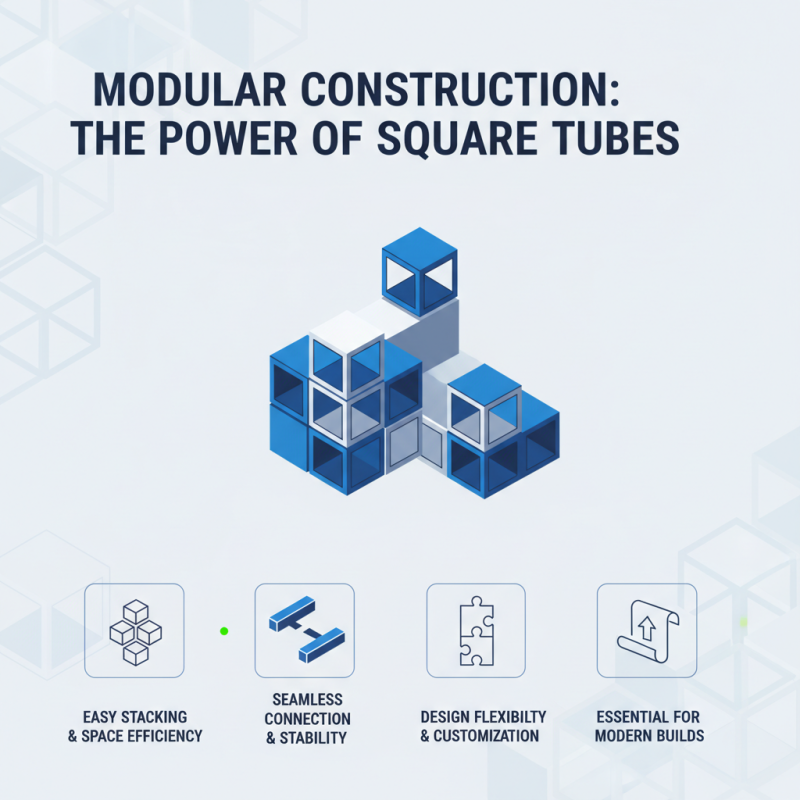
Square tubes have become essential in modern modular construction. Their unique shape allows for easy stacking and efficient use of space. This feature increases the flexibility of designs, making it easier to create customized structures. With square tubes, builders can seamlessly connect sections, enhancing the overall stability of the construction.
One notable benefit is the lightweight nature of square tubes. This makes them easier to transport and handle on-site. However, this can lead to overlooking crucial safety measures. Builders should ensure proper standards are followed during transportation and assembly. Keeping proper safety gear handy is vital when working with them.
Tips: When using square tubes, consider their corrosion resistance. This can prolong the life of your structure in outdoor environments. Regular inspections can help identify any issues early. Also, pay attention to load-bearing capabilities. Overloading can compromise structural integrity. Always consult with a professional, especially in critical applications.
Innovative Applications of Square Tubes in Furniture Design
Square tubes are revolutionizing furniture design. Their versatility offers creative solutions for various applications. From coffee tables to shelving units, square tubes provide structure and style. They can be coated in different finishes to match any decor theme. The clean lines and geometric shapes often attract modern design enthusiasts.
One of the most innovative uses of square tubes is in modular furniture. This allows for customizable pieces that fit specific space requirements. The ease of assembly is a significant advantage. However, it can be challenging to ensure stability. Poor joint connections may lead to collapses, so select connectors carefully.
Tips: When designing furniture with square tubes, consider the dimensions carefully. Measure your space before starting. Use high-quality materials to enhance durability. Also, reflect on your design—simplicity can sometimes be more effective than complexity. Embrace trial and error; not every design will work perfectly the first time. Adjust as needed to achieve the best results.
Square Tubes in Infrastructure Projects and Supports
Square tubes play a vital role in infrastructure projects and supports. Their strength and versatility make them ideal for various applications. For example, they are commonly used in the construction of bridges, allowing them to bear heavy loads while maintaining a lightweight structure. Additionally, square tubes can provide essential support for buildings, ensuring stability and durability.
Tip: Always consider the weight capacity of square tubes in your design. Underestimating this can lead to safety risks and structural failures.
Square tubes are also used in fencing and railings. These structures benefit from the clean lines and modern aesthetics that square tubes provide. However, installation can be tricky if not planned well. It's essential to ensure accurate measurements to avoid misalignments.
Tip: Use precise tools for measuring and cutting. Small errors can accumulate, affecting the quality of the final structure.

 Angle Steel
 Channel Steel
 Universal Beam (l-Beam)
 H-Beam Steel
 Galvalume Steel Coil
 Galvalume Steel Sheet
 Galvanized Steel Sheet
 Color Coated Plate
 Stainless Steel Bar
 Stainless Steel Pipe
 Steel Bar
 Wire Rope
 Carbon Steel Pipe
 Carbon Steel Plate
 Aluminum Plate
 Aluminum Coil
 Aluminum Pipe
 Aluminum Bar
 Magnesium Ingot
 Fasteners