Top Uses of Carbon Steel Channel in Construction and Manufacturing?
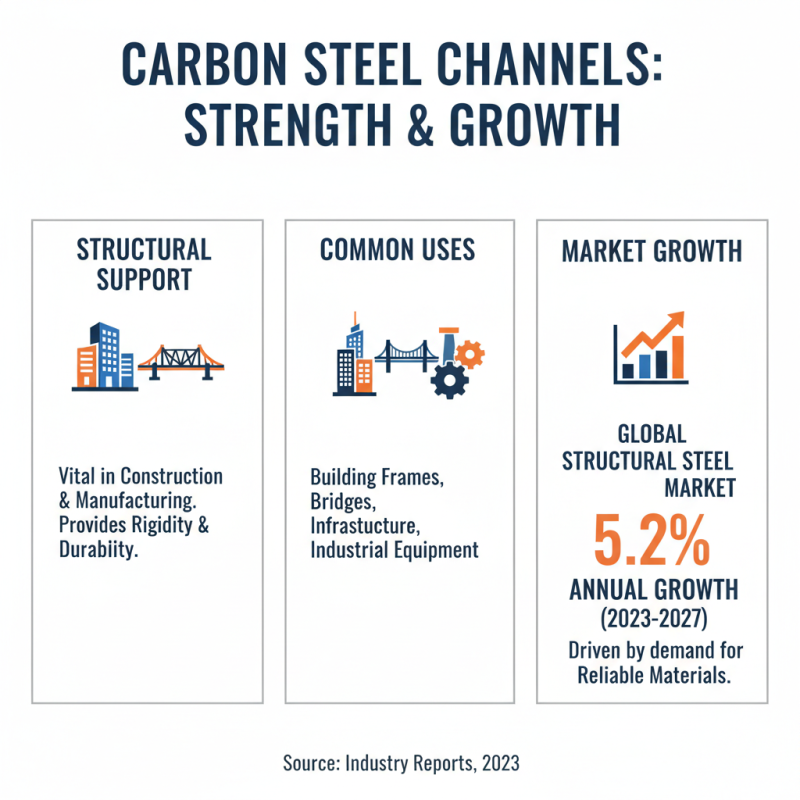
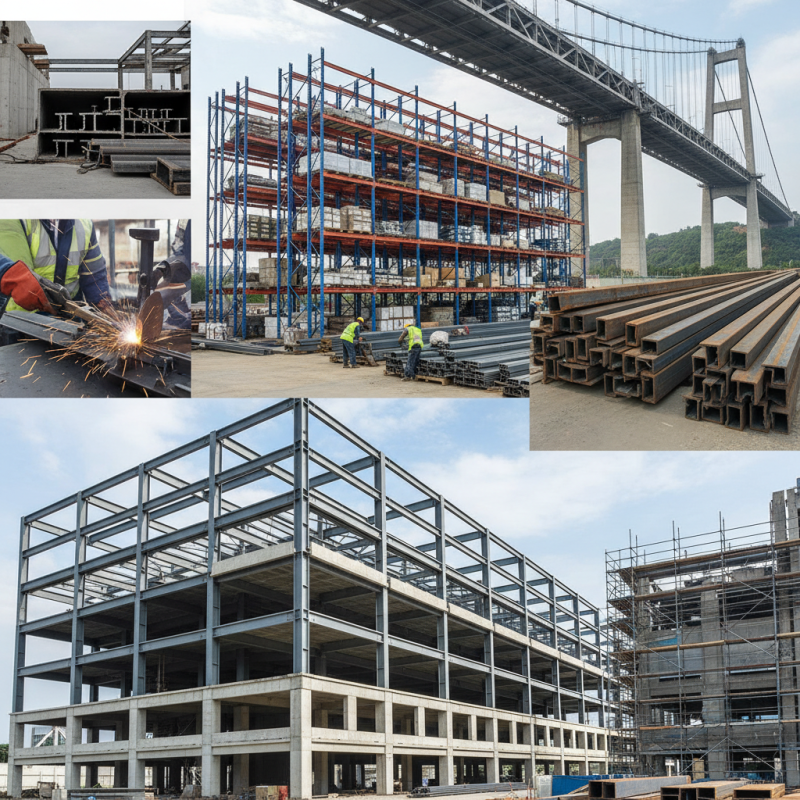
Carbon Steel Channel plays a vital role in construction and manufacturing industries. Its unique properties make it a preferred choice for various applications. With high strength and durability, it can support significant loads without deformation. These channels are often used in building frames, bridges, and infrastructure projects.
The versatility of Carbon Steel Channel is remarkable. It can be easily fabricated into various shapes and sizes, meeting specific project requirements. In warehouses, it aids in creating robust shelving systems. These channels also provide essential support in scaffolding and temporary structures. Yet, despite its strengths, rust and corrosion can be challenges. Proper maintenance is essential to ensure longevity.
Innovative uses of Carbon Steel Channel are emerging. Designers are exploring its aesthetics in modern architecture. However, there’s room for improvement in sustainability. Using recycled steel can reduce environmental impact. The ongoing exploration of Carbon Steel Channel's potential could lead to more efficient applications in the future.
Key Characteristics of Carbon Steel Channel for Construction
Carbon steel channels are widely used in construction and manufacturing. These structural elements provide strength and versatility. They are often formed using hot or cold rolling methods. The size and thickness of the channels can vary greatly. This variation allows for specific applications depending on the structural needs.
One key characteristic is their high tensile strength. Carbon steel channels can handle heavy loads without bending. They also have good weldability. This feature makes them easier to integrate into complex structures. Resistance to deformation under stress is another important property. However, exposure to moisture can lead to rusting. Proper coatings or treatments are often necessary to enhance longevity.
Another significant aspect is cost-effectiveness. Carbon steel channels are generally affordable compared to other materials. This makes them popular in budget-conscious projects. Yet, they may require more maintenance over time. Regular inspections can prevent long-term damage. Understanding the balance between cost and durability is crucial in choosing steel channels.
Applications of Carbon Steel Channel in Structural Frameworks
Carbon steel channels are vital in construction and manufacturing. They provide structural support and durability. These channels are often used in building frames, bridges, and other infrastructures. According to industry reports, the global market for structural steel is projected to grow by 5.2% annually through 2027. This growth reflects the demand for strong and reliable materials.
In structural frameworks, carbon steel channels help distribute weight. Their shape creates a balance between strength and flexibility. Engineers often choose these channels for their cost-effectiveness and ease of fabrication. For example, a standard carbon steel channel may have a yield strength of 36,000 psi, making it suitable for various load-bearing applications. However, the choice of carbon steel comes with concerns. Corrosion can weaken its integrity over time.
Another application can be found in manufacturing equipment. Carbon steel channels can support machinery in fabrication plants or warehouses. They serve as bases for heavy equipment. Yet, the weight from machinery can stress the channels. Regular inspections are necessary to ensure safety. Moreover, the aesthetic appeal of exposed steel frameworks adds to modern design trends. However, achieving a balance between form and function remains a challenge.
Utilization of Carbon Steel Channels in Manufacturing Processes
Carbon steel channels are integral in various manufacturing processes. Their strength and versatility enable a wide range of applications. These channels provide structural support in construction projects, enhancing stability. In manufacturing, they are often used as frames and supports for machinery. This creates a robust foundation for complex operations.
One notable use of carbon steel channels is in the fabrication of conveyor systems. These systems transport materials efficiently in factories. However, the design must be precise to avoid potential issues during operation. Sometimes, miscalculations can lead to costly delays. Manufacturers need to continuously assess their designs to improve efficiency.
Additionally, carbon steel channels are prevalent in the automotive industry. They provide support for vehicle frames. This application demands high durability. Yet, the risk of corrosion can be a concern. Regular maintenance is essential, and this can sometimes be overlooked. The challenge lies in balancing durability with effective maintenance practices.
Benefits of Using Carbon Steel Channels in Construction Projects
Carbon steel channels are essential in construction. They provide strength and stability for various structures. One major benefit is their high tensile strength. This property allows carbon steel channels to support heavy loads efficiently. They are also versatile and can be used in numerous applications, from beams to braces.
Another advantage is cost-effectiveness. Carbon steel channels are generally less expensive than other materials. This affordability makes them popular among builders. However, they are prone to rusting if not properly treated. It's crucial to consider protective coatings to enhance their longevity.
Carbon steel channels also offer design flexibility. They can be easily fabricated into different shapes and sizes. This adaptability allows engineers to tailor solutions for specific projects. However, careful planning is necessary to avoid design flaws. Each project comes with its unique challenges, and mistakes can lead to increased costs and project delays.
Comparative Analysis of Carbon Steel Channels and Other Materials
When comparing carbon steel channels to other materials, several key factors emerge. Carbon steel is known for its durability and strength. Unlike aluminum, steel channels can handle heavier loads without bending or warping. This makes carbon steel a preferred choice in construction. However, its tendency to rust can be a significant drawback.
In contrast, materials like stainless steel offer better corrosion resistance. They can maintain their integrity in harsh environments. Yet, the cost of stainless steel is often much higher than that of carbon steel. Weight is another consideration; aluminum is much lighter. It’s easier to transport and install but lacks the same load-bearing capabilities.
Construction projects require careful material selection. Carbon steel channels provide excellent performance in structural applications. However, they do not always excel in every environment. Builders must weigh the benefits against the potential drawbacks. The decision hinges on specific project needs. Each material has its unique advantages and limitations.
Top Uses of Carbon Steel Channel in Construction and Manufacturing
| Use Case |
Advantages of Carbon Steel Channel |
Comparative Material |
Advantages of Comparative Material |
| Building Frameworks |
High strength and durability |
Aluminum |
Lightweight and corrosion-resistant |
| Support Structures |
Cost-effective and easy to fabricate |
Stainless Steel |
Superior corrosion resistance |
| Manufacturing Equipment |
Excellent tensile strength |
Plastic |
Lightweight and moldable |
| Infrastructure Projects |
Versatile in structural design |
Concrete |
Excellent compressive strength |
| Bridges and Overpasses |
High load-bearing capacity |
Composite Materials |
Reduced weight and improved performance |

 Angle Steel
 Channel Steel
 Universal Beam (l-Beam)
 H-Beam Steel
 Galvalume Steel Coil
 Galvalume Steel Sheet
 Galvanized Steel Sheet
 Color Coated Plate
 Stainless Steel Bar
 Stainless Steel Pipe
 Steel Bar
 Wire Rope
 Carbon Steel Pipe
 Carbon Steel Plate
 Aluminum Plate
 Aluminum Coil
 Aluminum Pipe
 Aluminum Bar
 Magnesium Ingot
 Fasteners