2026 How to Use Hot Rolled Steel in Construction Projects?
Hot Rolled Steel is an essential material in modern construction projects. It has unique properties that make it suitable for various applications. Structural engineers and architects often prefer Hot Rolled Steel for its strength and flexibility. Understanding how to utilize this steel effectively can lead to significant advantages.
In construction, Hot Rolled Steel is used for beams, columns, and sheets. Its ability to withstand heavy loads is unmatched. Additionally, Hot Rolled Steel is easier to work with compared to other materials. However, using it requires a clear understanding of local building codes and safety standards. Failure to comply can lead to costly errors.
One must also consider the environmental impact. While Hot Rolled Steel is recyclable, the production process can generate considerable emissions. This aspect raises questions about sustainability in construction. Builders should reflect on these issues to ensure responsible usage of materials in their projects. By combining expertise and awareness, one can harness the full potential of Hot Rolled Steel in construction.
Understanding Hot Rolled Steel: An Overview
Hot rolled steel is a vital material in construction projects. It offers strength and flexibility for various applications. Understanding its properties can help designers and engineers make informed decisions. According to the Steel Construction Institute, hot rolled steel's yield strength ranges from 250 to 460 MPa, making it suitable for beams, columns, and reinforcement bars.
Hot rolled steel is often more cost-effective than cold-rolled alternatives. Its manufacturing process involves reheating the metal, making it easier to shape and form. A key advantage is its reduced internal stresses, which enhances durability. However, one must be cautious of properties like corrosion resistance, as untreated hot rolled steel can corrode quickly when exposed to moisture.
Tip: Always consider applying protective coatings for outdoor projects. This will significantly increase the lifespan of structures. Also, be aware that hot rolled steel tends to warp during cooling. Proper planning and design can mitigate this risk.
Another point to reflect on is the weldability of hot rolled steel. Though it offers robust strength, the weldability can vary based on the alloy composition. Engineers must test the material before use. Tip: Invest in pre-welding inspections to ensure that the steel meets project standards. The right approach will lead to successful and sturdy construction outcomes.
Properties of Hot Rolled Steel Applicable to Construction
Hot rolled steel is widely used in construction due to its unique properties. One of the key attributes is its strength. This material can withstand heavy loads and resist deformation. Construction beams made from hot rolled steel are often used in skyscrapers and bridges. Their structural integrity provides safety and longevity.
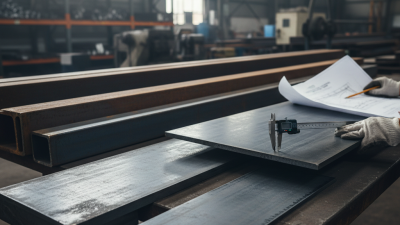
Another important property of hot rolled steel is its malleability. This allows it to be shaped into various forms. It can be rolled into sheets or shaped into beams and columns. The ease of fabrication can speed up construction timelines. However, this flexibility can also lead to inconsistencies in shape and dimensions. Careful measurement is crucial to avoid structural issues.
Hot rolled steel also has a natural finish, which may not always meet aesthetic requirements. Thus, additional treatments may be needed for certain projects. Understanding these properties is essential for engineers and architects. This knowledge influences design choices and construction methods. While hot rolled steel is reliable, each project must assess its unique challenges and make informed decisions.
Common Applications of Hot Rolled Steel in Building Projects
Hot rolled steel is widely used in construction due to its unique properties. It is manufactured at high temperatures, which makes it malleable and easy to shape. This process results in steel that has a smooth surface and uniform thickness. Builders appreciate its versatility. It can be molded into various forms for different structural needs.
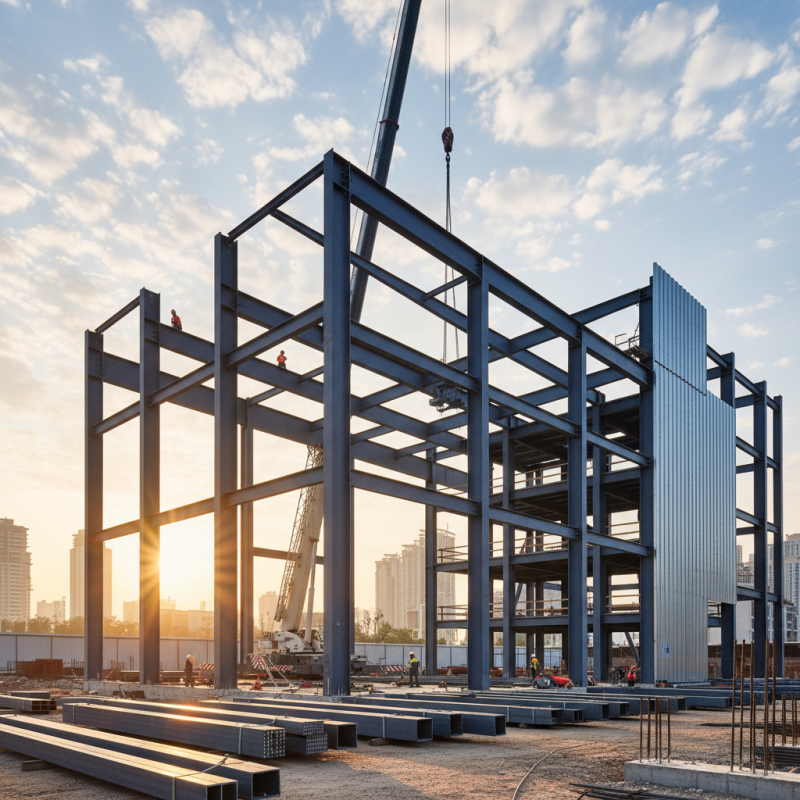
In building projects, hot rolled steel serves many purposes. Its strength makes it ideal for supporting frameworks. Many skyscrapers use hot rolled sections for beams and columns. These structures can withstand heavy loads and resist extreme weather. Additionally, hot rolled steel is often used in bridges, offering durability and resilience. This material can also be combined with other elements for enhanced performance.
Despite its advantages, there are challenges. The exposed steel can corrode over time if not properly treated. Architects must consider protective coatings to extend its lifespan. Ethical sourcing and sustainability are also concerns in the industry. Hot rolled steel represents both opportunity and responsibility in modern construction practices.
Safety Considerations When Working with Hot Rolled Steel
Working with hot rolled steel in construction comes with specific safety considerations. Firstly, personal protective equipment (PPE) is essential. Hard hats, gloves, goggles, and steel-toed boots should always be worn. These items help protect against potential injuries from sharp edges and heavy materials.
The work area must be kept clean and organized. This reduces the chances of accidents. Clutter can lead to slips, trips, or falls, which are common in heavy material handling. Additionally, proper lifting techniques should be employed. Use tools and machinery designed for lifting steel, rather than relying solely on manual strength. Equipment should be inspected regularly to ensure safety.
It's crucial to be aware of heat-related hazards. Hot rolled steel can reach high temperatures during processing. Workers must be trained to handle these materials safely. A sudden contact can cause severe burns. Regular safety drills and training sessions can reinforce these practices. Reflecting on past incidents can help improve safety protocols and minimize risks on future projects.
2026 How to Use Hot Rolled Steel in Construction Projects? - Safety Considerations When Working with Hot Rolled Steel
| Safety Consideration |
Description |
Recommended Practices |
| Personal Protective Equipment (PPE) |
Use of appropriate safety gear to prevent injuries. |
Hard hats, gloves, eye protection, and steel-toed boots. |
| Handling and Storage |
Proper techniques to avoid accidental injuries. |
Use forklifts for heavy lifting and store steel safely to prevent tipping. |
| Welding Safety |
Precautions necessary when working with welding equipment. |
Ensure proper ventilation and use fire-resistant materials nearby. |
| Transportation Risks |
Risks involved in moving hot rolled steel to site. |
Secure loads properly and keep transport pathways clear. |
| Site Safety |
Ensuring the working area is safe for all workers. |
Maintain clear signage and barriers around hot work areas. |

 Angle Steel
 Channel Steel
 Universal Beam (l-Beam)
 H-Beam Steel
 Galvalume Steel Coil
 Galvalume Steel Sheet
 Galvanized Steel Sheet
 Color Coated Plate
 Stainless Steel Bar
 Stainless Steel Pipe
 Steel Bar
 Wire Rope
 Carbon Steel Pipe
 Carbon Steel Plate
 Aluminum Plate
 Aluminum Coil
 Aluminum Pipe
 Aluminum Bar
 Magnesium Ingot
 Fasteners