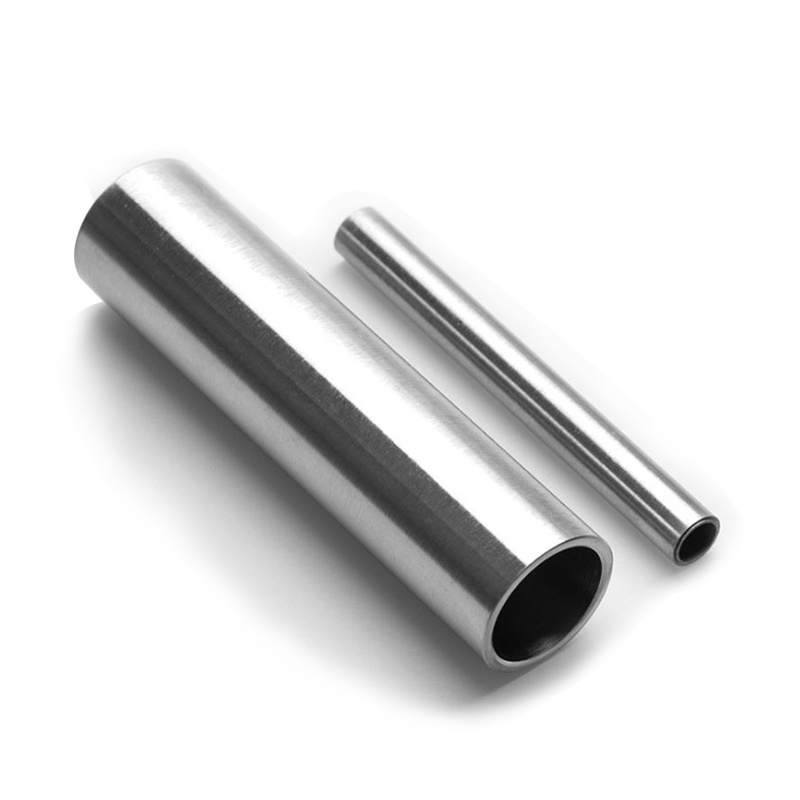
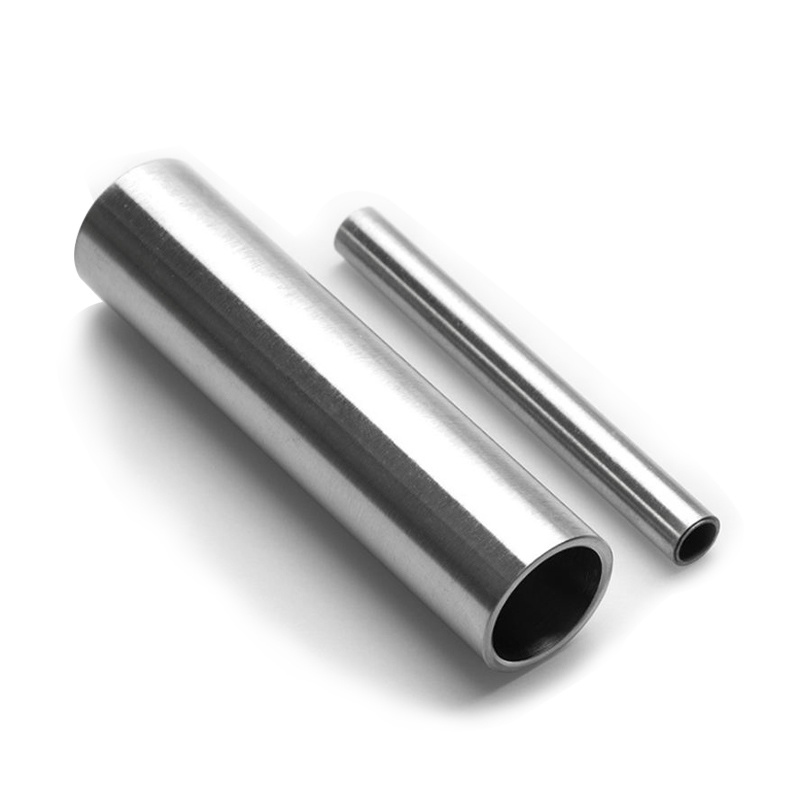
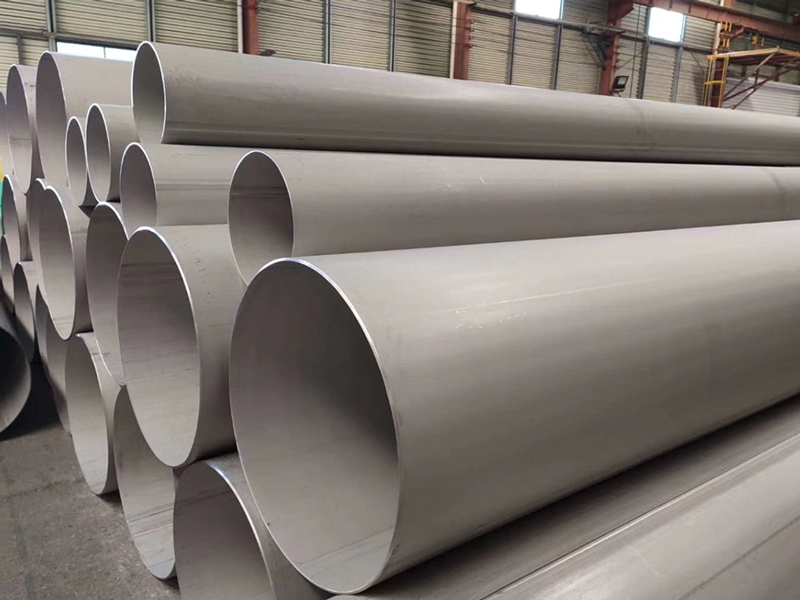
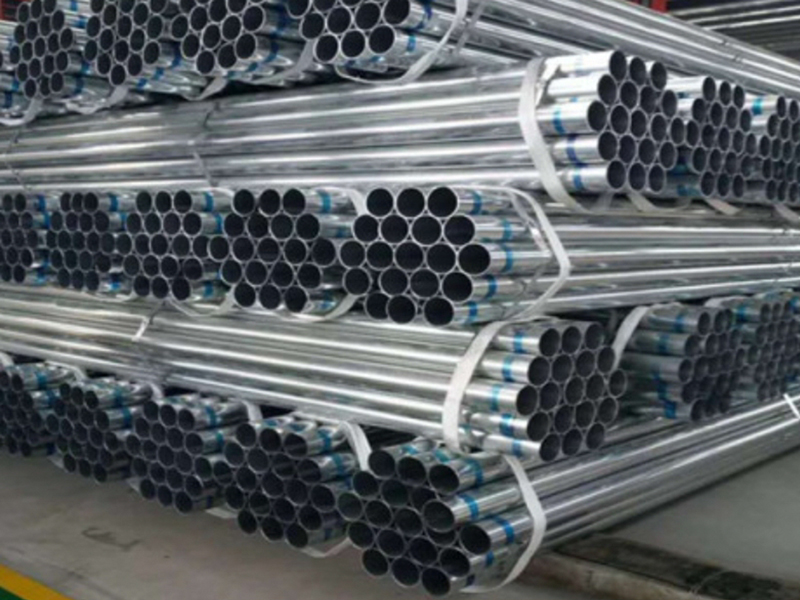
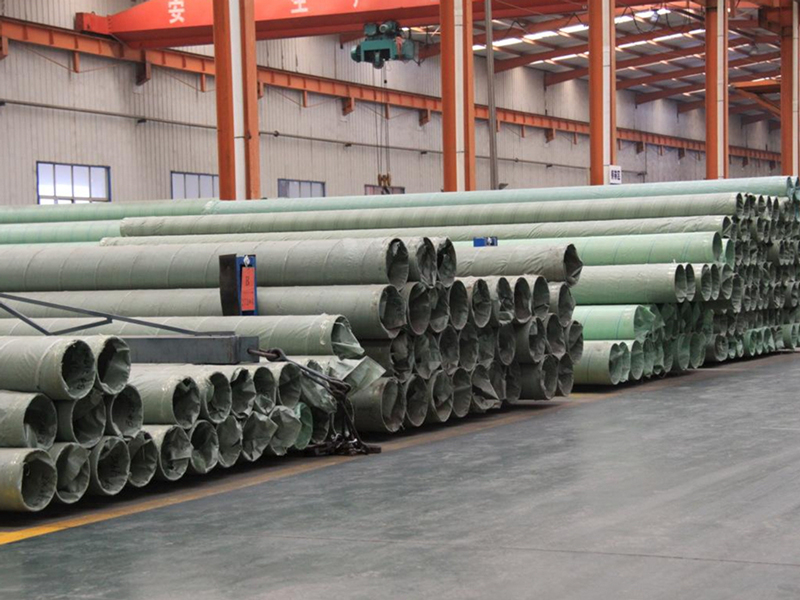
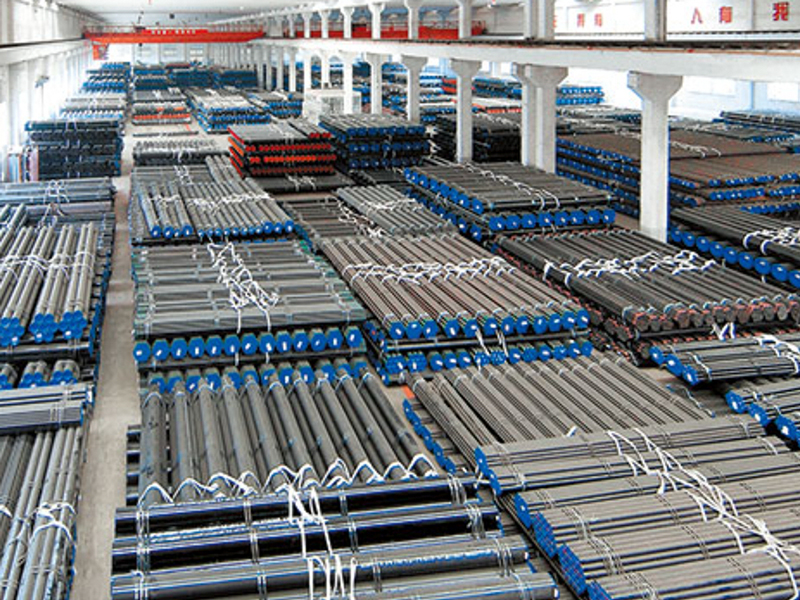
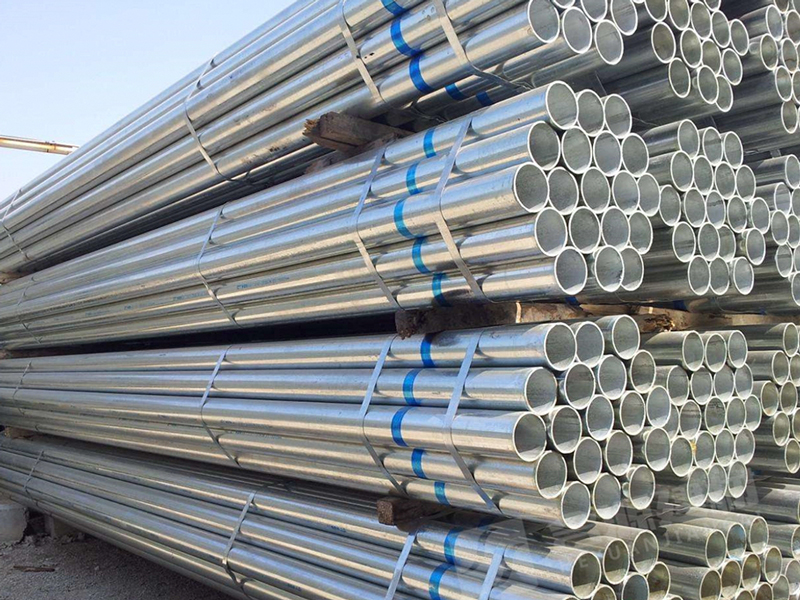
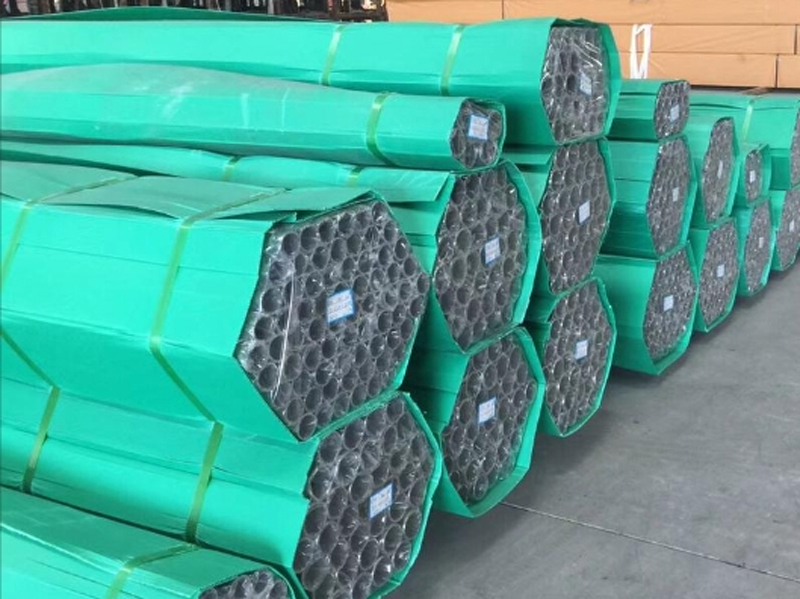
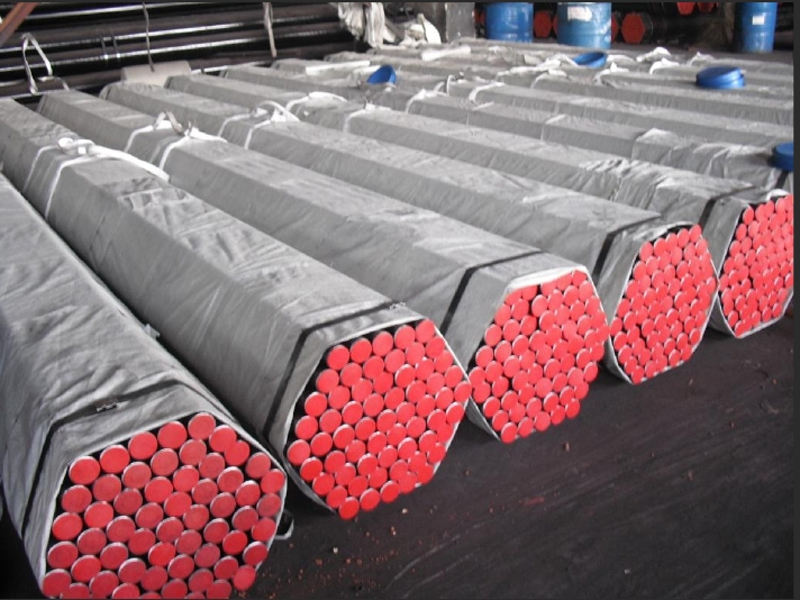
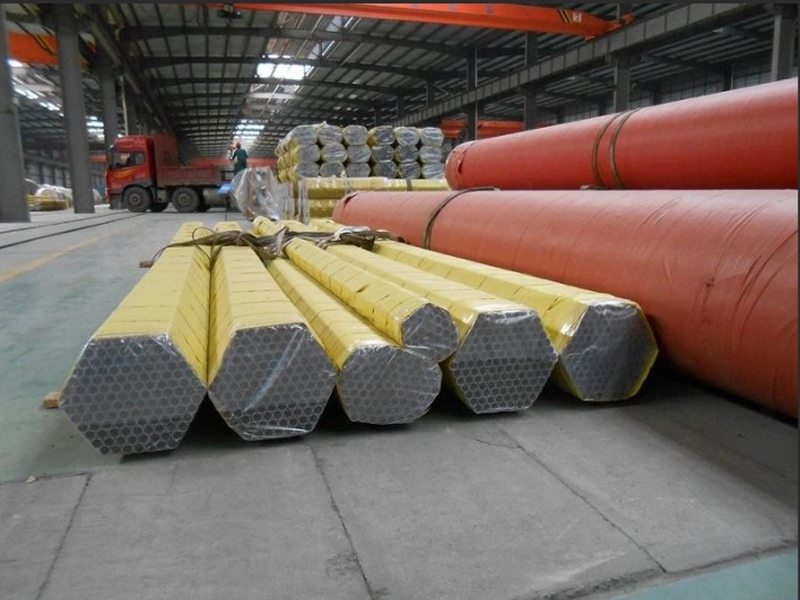
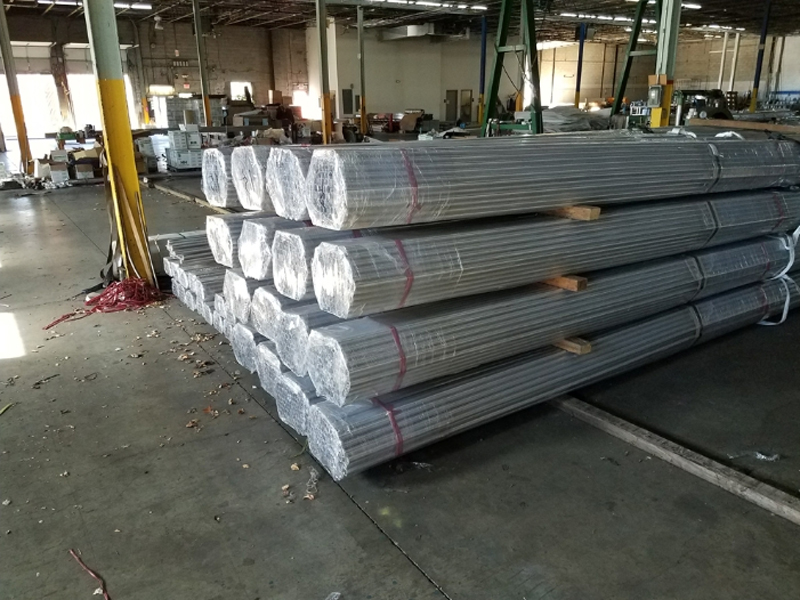
316 stainless steel contains 2-3% molybdenum in addition to iron, chromium, and nickel. The inclusion of molybdenum notably enhances the performance of 316 stainless steel in specific corrosive environments, particularly those containing chlorides. 316 stainless steel is frequently preferred for applications requiring higher corrosion resistance.
316 stainless steel pipe is highly regarded in the stainless steel industry for several key attributes. Grade 316 is the standard molybdenum-bearing austenitic grade, known for its strong resistance to pitting and crevice corrosion in chloride environments. As a result, 316 stainless steel is frequently employed in applications requiring higher corrosion resistance. For instance, it is commonly utilized in the manufacturing of ship parts, subsea pipelines, offshore platforms, and other marine facilities. In the chemical industry, it is also widely used for producing equipment such as storage tanks, reactors, and pipelines. Furthermore, 316 stainless steel is a popular choice for manufacturing medical devices and implants due to its exceptional biocompatibility and corrosion resistance.
Product Parameters
Product Name
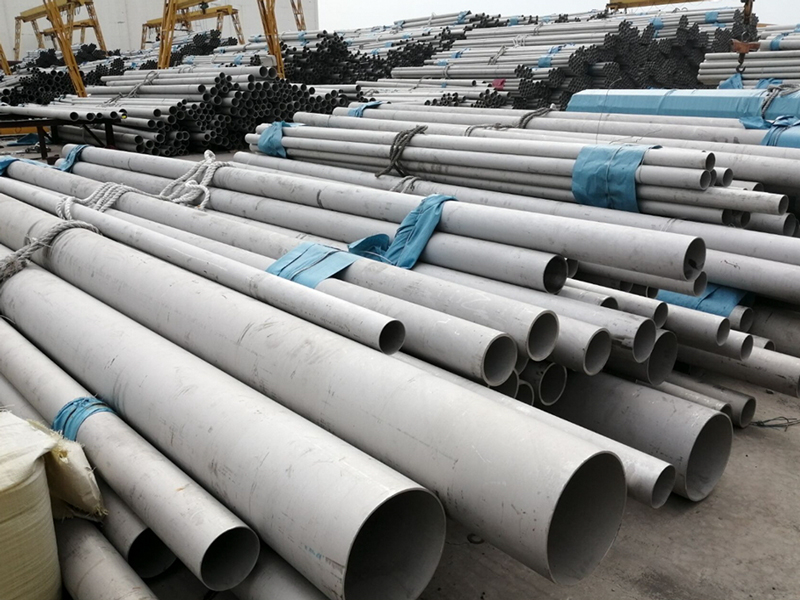
316 Stainless Steel Pipe
Type
Steel Pipe
Outer diameter
Round Tube
4mm-200mm
Square Tube
10*10mm-100*100mm
Rectangular Tube
10*20mm-50*100mm
Wall Thickness
0.6mm-6.0mm
Length
1-6 meters, Length can be customized
Standard
ASTM, AISI, JIS, GB, DIN, EN, etc.
Surface
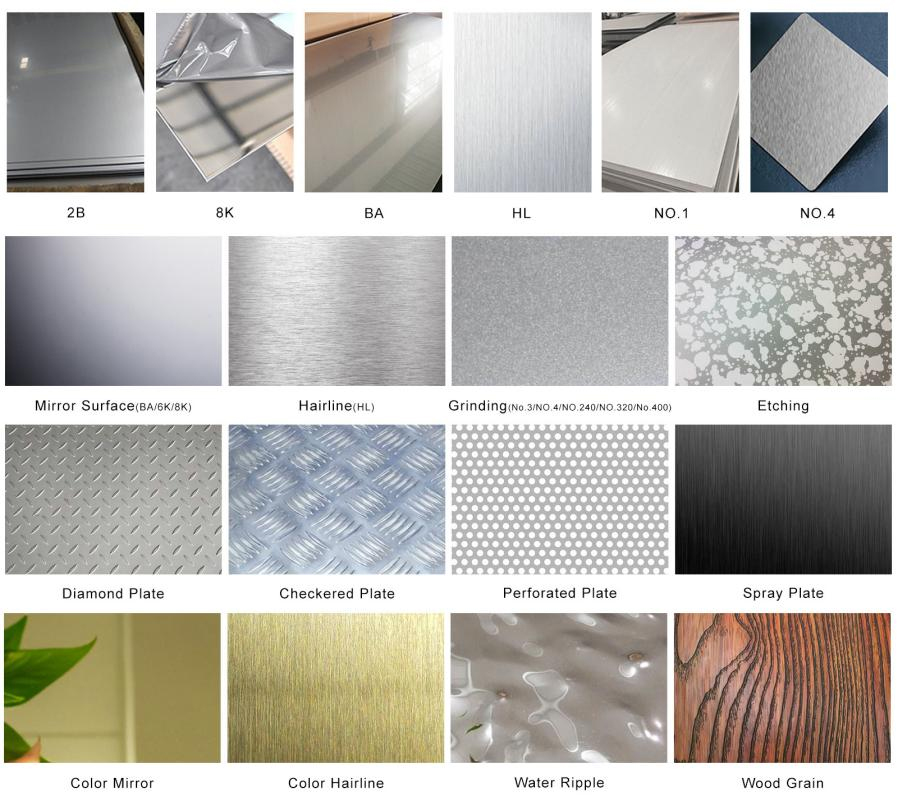
Black, Bright Polished, Rough Turning, Matt Surface Treatment, No. 4. BA, etc.
Scope of Application
Stainless steel pipes are widely utilized across various industries, including food processing, textile operations, breweries, water treatment plants, oil and gas processing, fertilizers and pesticides production, chemical applications, construction, pharmaceuticals, and auto parts manufacturing, among others.

 Angle Steel
 Channel Steel
 Universal Beam (l-Beam)
 H-Beam Steel
 Galvalume Steel Coil
 Galvalume Steel Sheet
 Galvanized Steel Sheet
 Color Coated Plate
 Stainless Steel Bar
 Stainless Steel Pipe
 Steel Bar
 Wire Rope
 Carbon Steel Pipe
 Carbon Steel Plate
 Aluminum Plate
 Aluminum Coil
 Aluminum Pipe
 Aluminum Bar
 Magnesium Ingot
 Fasteners