
 Angle Steel
 Channel Steel
 Universal Beam (l-Beam)
 H-Beam Steel
 Galvalume Steel Coil
 Galvalume Steel Sheet
 Galvanized Steel Sheet
 Color Coated Plate
 Stainless Steel Bar
 Stainless Steel Pipe
 Steel Bar
 Wire Rope
 Carbon Steel Pipe
 Carbon Steel Plate
 Aluminum Plate
 Aluminum Coil
 Aluminum Pipe
 Aluminum Bar
 Magnesium Ingot
 Fasteners
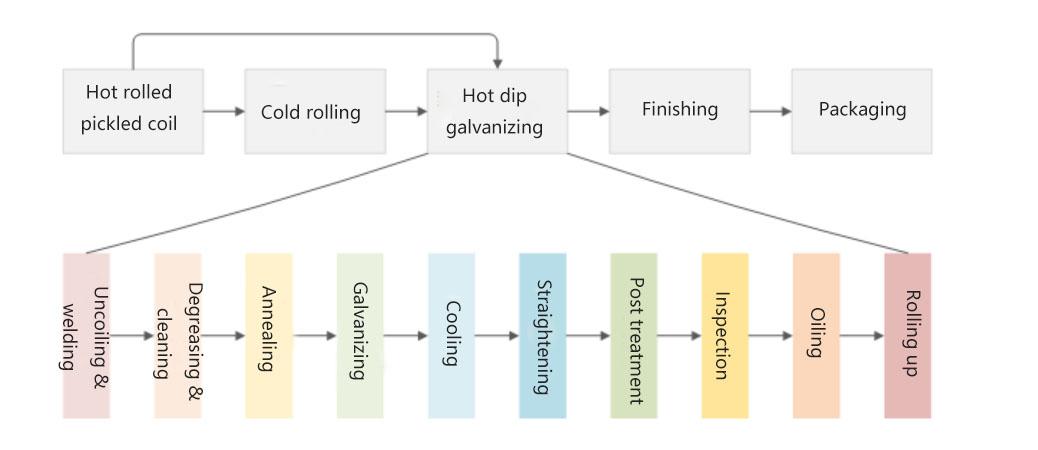
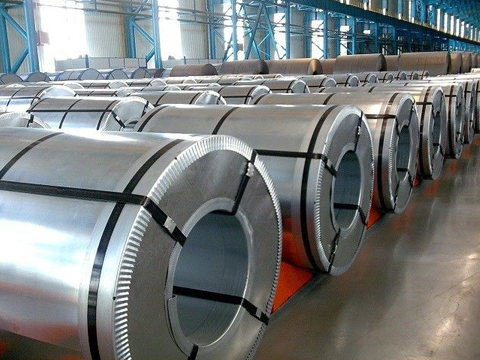
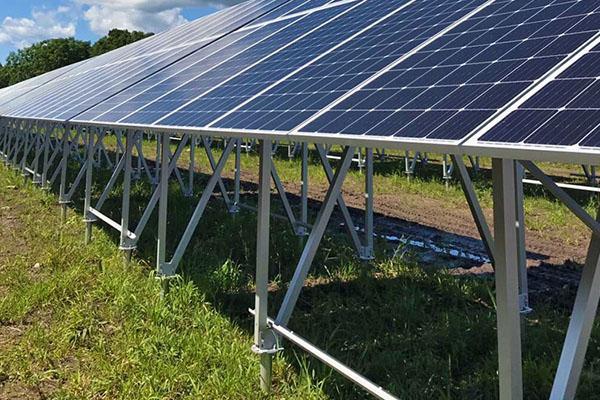
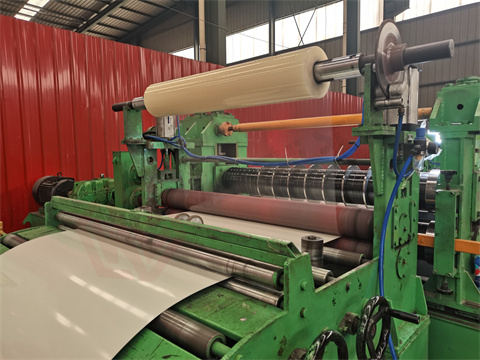



Forging Steel Production Process Introduction Diagram
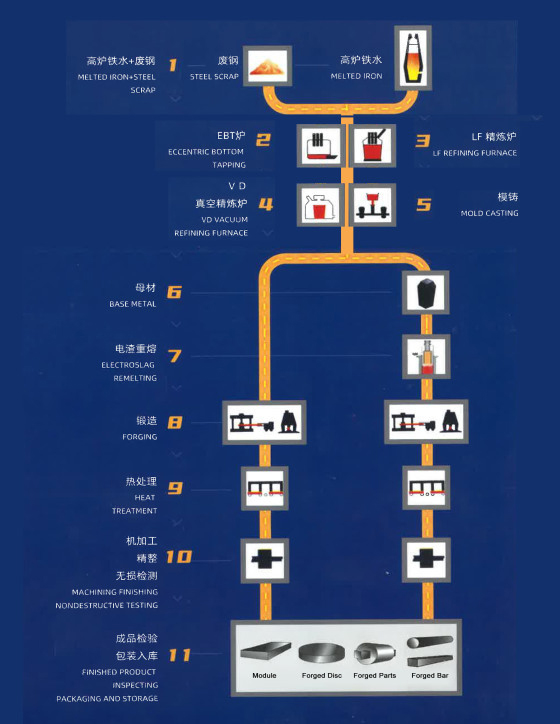
1. Heating: The forging process begins with metal blocks known as “ingots,” which come in various shapes and sizes depending on the part or component to be produced. These ingots are heated to a near-molten state, allowing the metal to retain its shape while being easily manipulated with force.
2. Preforming: The heated ingot is then edged and blocked using a press or hammer to prepare it for pressing between closed dies. Edging increases the working cross-section, while blocking refines the shape in preparation for finish forging.
3. Finish Forging: The preformed metal is forced into an impression between two dies to achieve the general shape of the final product. While simple items may require only one press, more complex items may need multiple strokes at different pressures or different dies to achieve the desired design.
4. Cooling: By carefully controlling the cooling process, forgers can enhance the strength of the final product by deforming and optimizing the grain flow within the metal. An important aspect of impression die forging is the “flash,” which is the excess metal that flows outside the dies. The flash cools and hardens rapidly, becoming stronger than the metal within the dies, ensuring complete filling of any cavities.
5. Finishing: After forging, trimming and other surface treatment operations are performed to improve the dimensional accuracy of the forged product. Surface treatments can also be applied to enhance corrosion resistance and improve the appearance of the finished product.