
 Angle Steel
 Channel Steel
 Universal Beam (l-Beam)
 H-Beam Steel
 Galvalume Steel Coil
 Galvalume Steel Sheet
 Galvanized Steel Sheet
 Color Coated Plate
 Stainless Steel Bar
 Stainless Steel Pipe
 Steel Bar
 Wire Rope
 Carbon Steel Pipe
 Carbon Steel Plate
 Aluminum Plate
 Aluminum Coil
 Aluminum Pipe
 Aluminum Bar
 Magnesium Ingot
 Fasteners
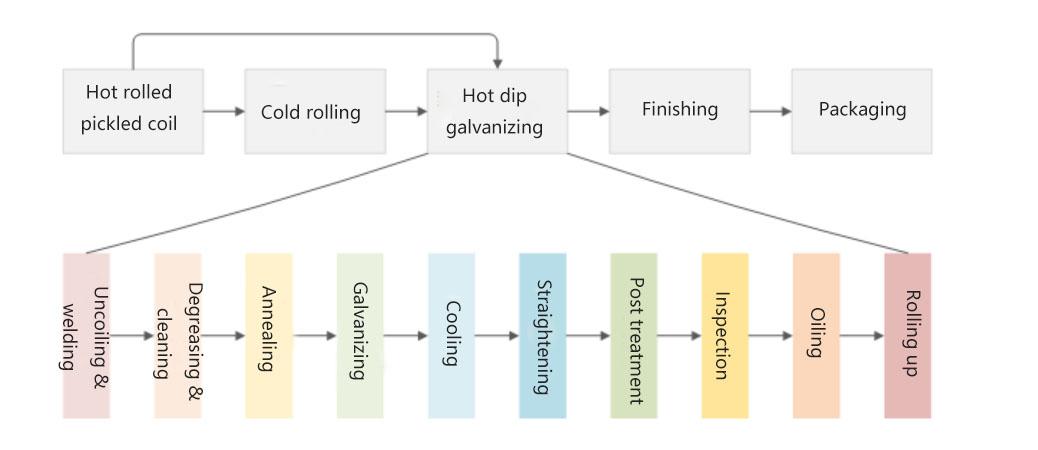
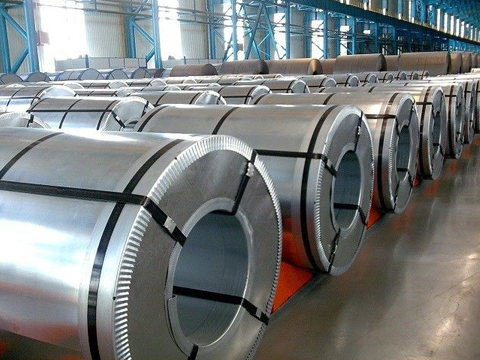
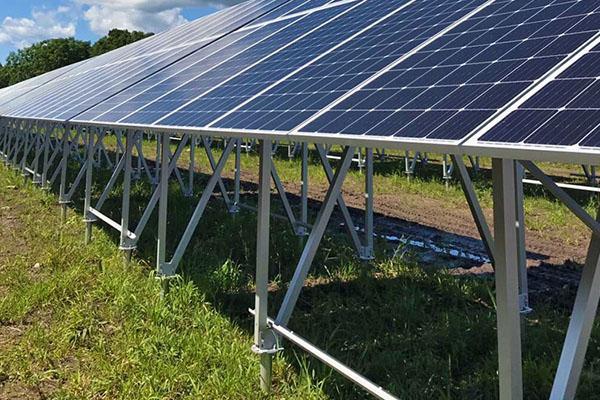
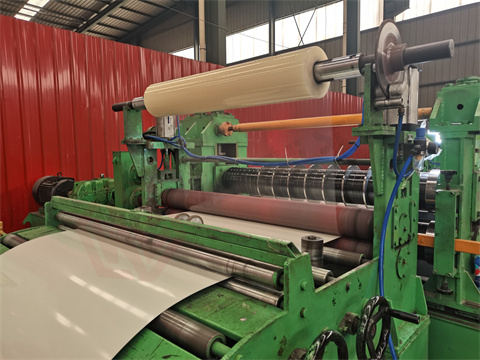



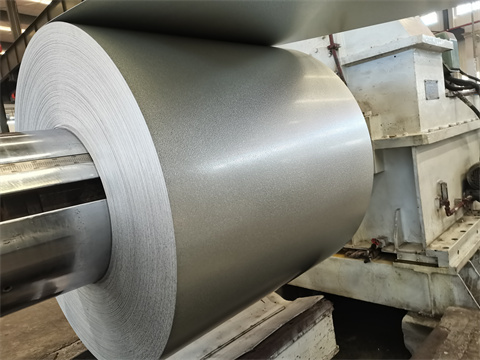
Steel Plate Production Process Introduction Diagram
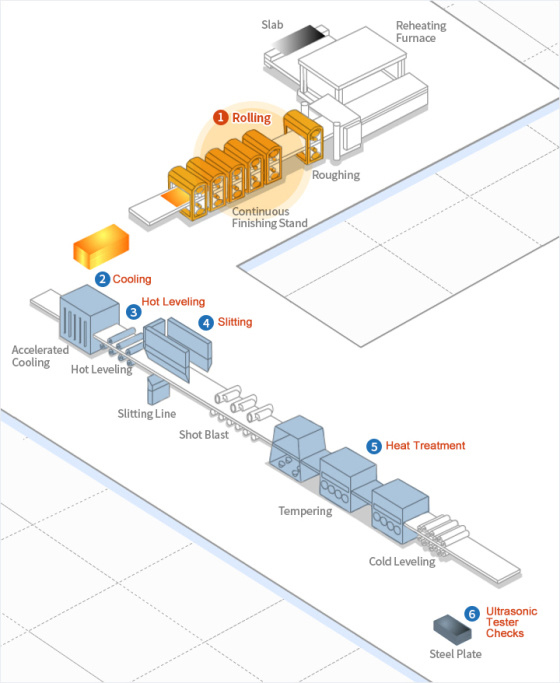
1. Rolling: Our 4-high reversible finishing mill, with a maximum load of 7000 tons, ensures minimal internal defects even in thick plates. The implementation of automatic gauge control and shape control systems not only reduces thickness deviation but also enhances plate flatness, ensuring superior quality.
2. Cooling: Our advanced cooling system enables the production of high-strength steel without the need for heat treatment, achieved through rolling and accelerated cooling. Utilizing the mist cooling method with a suction type, our system boasts high cooling capacity and maintains a uniform temperature gradient in the widthwise direction, effectively reducing plate quality deviation.
3. Hot Leveling: The hot leveler is instrumental in producing superior quality flat plates by eliminating residual stress left on rolled plates, ensuring exceptional flatness and uniformity.
4. Slitting: Following the cooling process, the plates undergo meticulous dimensional accuracy inspection and are then cut into the appropriate width and length based on plate grade and thickness. This is carried out using either a mechanical shearing machine or flame planner, with production conditions tailored to factors such as the air knife gap and the nozzle size of the gas torch to achieve a higher degree of dimensional accuracy.
5. Heat Treatment: To meet the structural demands of our customers, plates undergo heat treatment after scale removal by shot blasters. Our non-oxidizing radiation tube type heat treating facilities produce scale-free heat-treated plates, ensuring the desired plate structure.
6. Ultrasonic Tester Checks: Our ultrasonic tester meticulously checks for blow holes, pipes, laminations, and other internal defects to guarantee the internal quality of plates demanded by our customers, ensuring the highest standards of quality and reliability.