
 Angle Steel
 Channel Steel
 Universal Beam (l-Beam)
 H-Beam Steel
 Galvalume Steel Coil
 Galvalume Steel Sheet
 Galvanized Steel Sheet
 Color Coated Plate
 Stainless Steel Bar
 Stainless Steel Pipe
 Steel Bar
 Wire Rope
 Carbon Steel Pipe
 Carbon Steel Plate
 Aluminum Plate
 Aluminum Coil
 Aluminum Pipe
 Aluminum Bar
 Magnesium Ingot
 Fasteners



Stainless Steel Type: What Makes Stainless Steel Stainless
2024-11-14
When we talk about materials that have a wide range of applications in the construction industry, homes, electricity and construction, one material that comes to mind is stainless steel. There is no doubt that stainless steel has many applications in the modern world. However, there are many things people don’t know. Suffice it to say, there are plenty of dishes made of stainless steel. However, few people know about the different stainless steel types used to make many of the products that people use.
What is stainless steel?
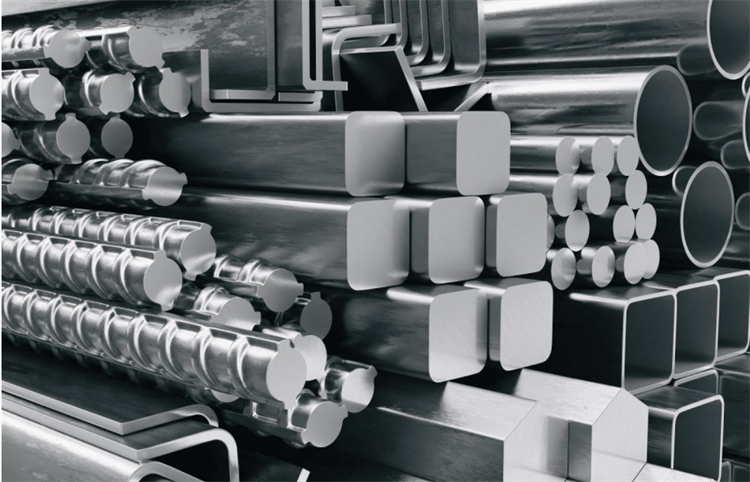
One of the common metals with various applications in many fields is stainless steel. It has many characteristics that make it an ideal choice for such purposes. For example, it is rust-resistant and stain-resistant. Stainless steel was accidentally obtained by adding chromium to iron. Compared with other metals and alloys such as steel, it has other advantages. Here, you will learn about the properties, relationships, and differences between the three.
Iron
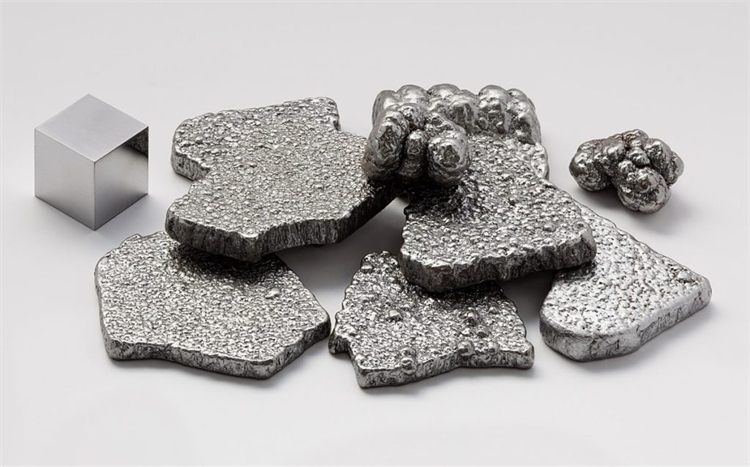
Iron is a hard and malleable metal that is gray in color. Its atomic number is 26 and it is classified as a ferromagnetic metal. Ferromagnetic is a state that some metals exhibit, which allows them to act as magnets and attract other metals.
Iron is primarily obtained from its ore hematite. Depending on the extraction and purification process, we have different types of iron. Pig iron is the least pure form of iron. Other types of iron are derived from pig iron, such as cast iron and wrought iron. The difference between the three is based on the percentage of carbon content. Wrought iron is the purest form of the three.
Steel is also made from cast iron. However, unlike the three types of iron discussed earlier, steel is an alloy (a mixture of different elements). Iron is a natural element, and when combined with carbon, it becomes steel. Steel contains about 2.14% carbon, which gives it better strength and durability than iron.
Stainless steel
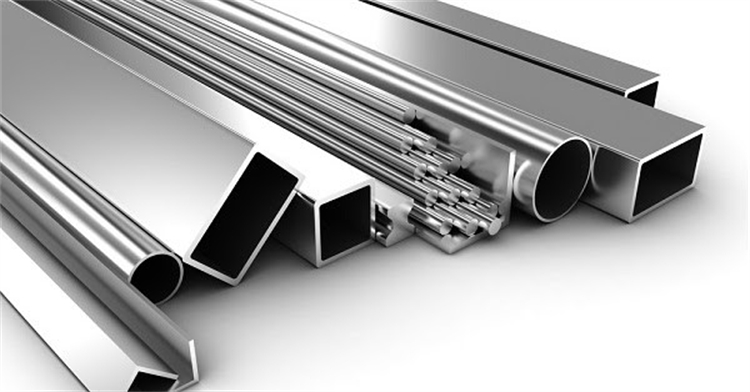
Unlike what most people know, stainless steel is not a single entity. Rather, it is a single broad entity that encompasses many things. Stainless steel is an alloy that contains at least 11% chromium. Due to this composition, stainless steel will not rust and is heat resistant. Depending on the type of stainless steel, you can also add other elements such as carbon (0.03-1.00%), nitrogen, silicon, sulfur, niobium and molybdenum.
Characteristics of stainless steel a.
Corrosion resistanceThis is why most people use stainless steel to make their products. The anti-corrosion properties make products made of stainless steel last longer.
Strength of steel a.
Products made of stainless steel have tremendous tensile strength. As such, they can support huge weights. Depending on the type of stainless steel, you can use stainless steel with higher tensile strength, which means more weight can be supported.
Deviation of temp.
Stainless steel is resistant to high temperatures depending on the type. While it will melt later, it will absorb a lot of heat before it melts.
Difference Between Iron, Steel and Stainless Steel
The main difference between these three metals is their composition, physical properties and function. Iron is an element and everything else is an alloy. Based on the fact that they are alloys, steels and stainless steels, which have some physical properties not seen in iron. For example, steel is stronger than iron because it is mixed with carbon. Stainless steel is also heat and rust resistant due to the presence of two other chromiums.
Stainless steel species a.
Austenitic stainless steel a.
This is the most common type of stainless steel. It has an extremely high nickel content while combining other elements like chromium, nitrogen and molybdenum. Austenitic steel has solderability, durability, ductility and corrosion resistance. They are used to make kitchenware and storage elements. However, they are very expensive. Common austenitic stainless steels are alloys 304 and 904L (N08904).
Ferritic Stainless Steel
Ferritic stainless steels have lower carbon content (up to 0.10%) compared to other stainless steel types. But, it has a lot of chromium and molybdenum. This stainless steel is highly magnetic and highly resistant to corrosion. Therefore, they are used in the manufacture of products that require such properties. This includes kitchen cookware and industrial entities. Common ferritic stainless steel alloys 430 and 434 .
Duplex Stainless Steel
Duplex stainless steels come from a combination of ferritic and austenitic stainless steels. Therefore, the properties they exude come from two stainless steel types. They are cheaper and have high corrosion resistance. Therefore, they are mainly used in the underwater petroleum industry.
They are somewhat malleable and solderable, which reduces the number of components they can use. Common duplex stainless duplex stainless steels include S31803 and S32205 stainless steels.
Martensitic Stainless Steel
Martensitic stainless steel is similar to ferritic stainless steel. However, unlike ferritic stainless steels, martensitic stainless steels have a higher carbon content (>1%). Because of this property, they are hard, rust resistant, durable and ideal for situations with such properties. You will see them being used to make valves or pumps. Common martensitic stainless steel materials are alloys 431 and 420S45.
Hardening of precipitate a.
Due to the addition of elements such as copper, niobium and aluminum, this stainless steel is very strong and they also have other stainless steel properties comparable to standard austenitic stainless steel types.
Summary
Due to its properties, stainless steel is an important part of many aspects of the modern world. Among its main properties, its rust resistance puts it in a position above other metals such as steel. This article describes the difference between iron, steel and stainless steel. It also shows the different types of stainless steel and understands why stainless steels are not rusty.
Using stainless steel requires an understanding of its different types and their availability. Based on these two attributes, for products manufactured using 3D printing, CNC machining, sheet metal machining, etc., Fast and Direct is your best bet. With us, you will have the opportunity to experience smooth manufacturing operations, customer service and high quality at a low price
If you are looking to buy steel, or if you want to learn about steel, contact us, we have a professional team and professional experience, to help you.