
Leave Your Message

Top 10 Benefits of Using Carbon Steel Plate for Your Projects?

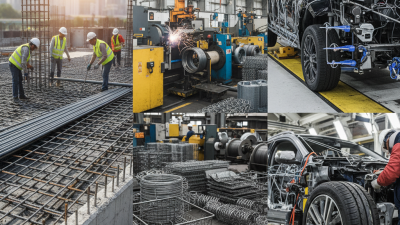
The use of Carbon Steel Plate in various industries has gained significant traction over the years. According to a report by MarketsandMarkets, the global carbon steel market is projected to reach $925 billion by 2026, reflecting its crucial role in construction and manufacturing. The versatility of Carbon Steel Plate is one of its greatest attributes. It's used in everything from bridges to automotive components, making it an essential material in modern engineering.

Industry expert Dr. John Ellison remarks, “Carbon Steel Plate presents unparalleled strength and flexibility, vital for innovative projects.” His insights underline the increasing demand for materials that can withstand extreme conditions while remaining cost-effective. The durability of Carbon Steel Plate offers an ideal solution for long-lasting structures, though challenges persist.

Corrosion resistance remains a concern for many users. While advancements in treatment processes have improved longevity, ongoing maintenance is crucial. Additionally, fluctuations in raw material prices can affect project budgets. Despite these imperfections, the benefits of using Carbon Steel Plate are evident. It combines strength, affordability, and adaptability, making it a top choice for various applications in today’s competitive market.

Top 10 Benefits of Using Carbon Steel Plate for Your Projects?

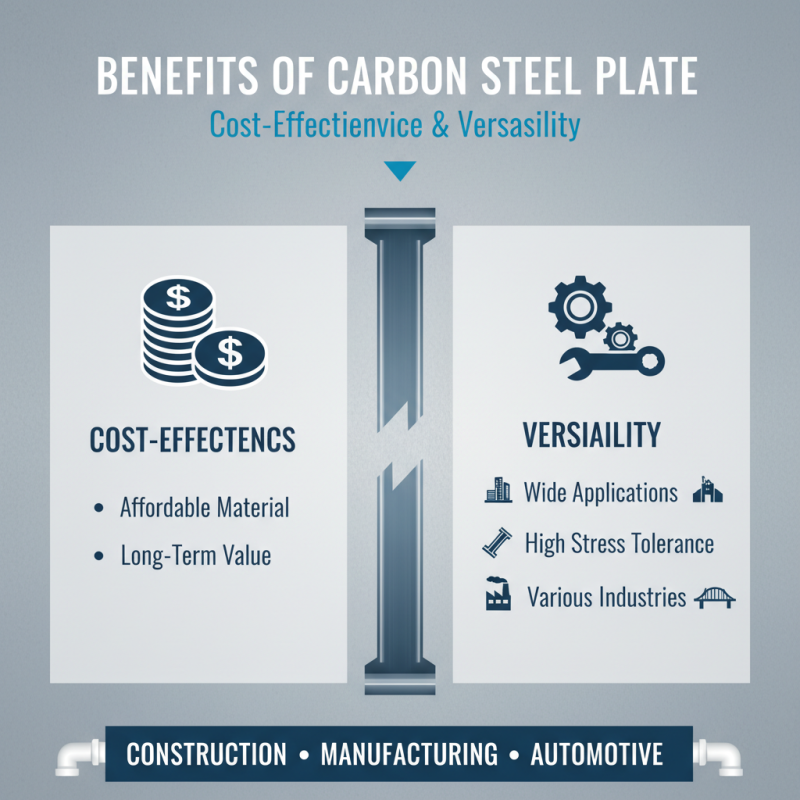
Benefits of Carbon Steel Plate: Cost-Effectiveness and Versatility

Top 10 Benefits of Using Carbon Steel Plate for Your Projects?

Carbon steel plates are known for their cost-effectiveness and versatility. They are widely used in various industries and applications. Projects involving construction, manufacturing, and automotive sectors often benefit from their unique properties. These plates can withstand high stress, making them ideal for demanding tasks.

Using carbon steel plates can significantly reduce costs. They are generally less expensive than other materials like stainless steel or aluminum. This affordability does not compromise quality. Moreover, carbon steel is easy to source, ensuring a steady supply for large projects. However, one must consider its susceptibility to rust and corrosion, especially in harsh environments.

Versatility is another attractive feature of carbon steel plates. They can be easily cut, welded, and formed into different shapes. This adaptability allows engineers to design custom solutions. Yet, it’s essential to understand the limitations of carbon steel, such as its lower resistance to extreme temperatures compared to other materials. Reflecting on these factors can lead to smarter project planning and resource allocation.
Enhanced Strength and Durability Metrics of Carbon Steel Plates

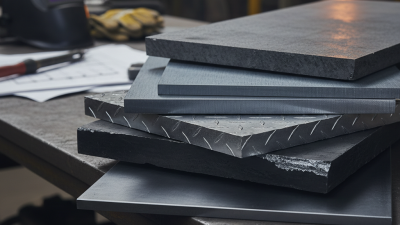
Carbon steel plates are renowned for their exceptional strength and durability. Their mechanical properties make them ideal for various projects, from construction to manufacturing. These plates have high tensile strength and are resistant to deformation under extreme stress, which is crucial in load-bearing applications. Many industries rely on these materials due to their ability to withstand harsh conditions.

Moreover, carbon steel plates offer an excellent combination of toughness and hardness. This resilience is often evident in the finished products. During welding, for example, these plates maintain structural integrity better than many alternatives. However, using carbon steel also requires careful consideration. They can be susceptible to corrosion without proper maintenance, leading to potential weaknesses over time. Choosing the right protective coatings is essential.

While carbon steel plates present many benefits, their weight can be a drawback in specific applications. Projects requiring lighter materials may find this challenging. Nonetheless, the ability to customize thickness and dimensions helps offset this limitation. Experience with carbon steel usage highlights that careful planning and awareness of potential issues lead to better results. Understanding both the advantages and drawbacks can help in making informed decisions about using carbon steel plates.

Top 10 Benefits of Using Carbon Steel Plate for Your Projects

Benefit Description Applications
Enhanced Strength Carbon steel plates exhibit excellent tensile strength, making them ideal for structural applications. Construction, Manufacturing
Cost-Effectiveness Offers an affordable material option compared to other metals, reducing overall project costs. Heavy Industry, Automotive
Versatility Can be used in a wide range of applications due to its various grades and thicknesses. Manufacturing, Aerospace
Good Weldability Carbon steel plates can be easily welded to other metal components, facilitating assembly. Fabrication, Shipbuilding
Excellent Machinability Allows for easy machining and forming processes, improving manufacturing efficiency. Tooling, Precision Engineering
High Durability Resists wear and tear, making it suitable for demanding environments. Mining, Construction Machinery
Temperature Resistance Performs well in high-temperature applications without significant degradation. Power Generation, Oil & Gas
Easily Available Widely available in various sizes and grades directly from suppliers. General Manufacturing, DIY Projects
Recyclable Can be recycled, contributing to sustainable practices in manufacturing. Sustainability Projects, Green Building
Impact Resistance Withstands high-impact forces, making it suitable for heavy machinery and equipment. Industrial Equipment, Safety Barriers

Impact of Carbon Steel Plates on Fabrication and Welding Efficiency

Carbon steel plates are well-known for their versatility in fabrication and welding. Their high strength and durability reduce the chances of deformation during welding. This leads to more precise fits in assemblies. When projects demand reliability, carbon steel plates deliver. They withstand extreme conditions, making them ideal for various applications in construction and manufacturing.

Welding with carbon steel plates can be efficient, but it requires attention. Incorrect settings may lead to issues like warping or cracking. Adequate preheating can mitigate these risks and improve joint quality. By ensuring the right techniques, welders can enhance their productivity. This also helps prevent costly rework, saving both time and resources.

The impact of carbon steel plates extends beyond welding. They simplify the fabrication process, allowing for easier machining and cutting. However, achieving the desired results may not always be straightforward. Steel's properties can vary, leading to unexpected challenges. Continual learning and adaptation are vital for success in using these materials.

Corrosion Resistance: Key Performance Indicators in Various Applications

Corrosion resistance is a critical factor for many projects involving carbon steel plates. In environments with high moisture or chemicals, corrosion can quickly degrade structural integrity. This is particularly important in construction, where safety is paramount. A well-selected steel plate can enhance longevity. Various coatings and treatments can improve their resistance to rust and other harmful elements.

Despite its advantages, carbon steel is not immune to corrosion. Without proper treatment, it can develop rust over time. Regular maintenance is necessary to monitor any signs of wear. In marine applications, for instance, exposure to saltwater can be particularly damaging. Ensuring the right protective measures are in place is essential for maximizing performance.

Industry professionals often recommend testing different steel grades in specific environments. Each project may require tailored solutions based on environmental conditions. Understanding these nuances can lead to better decision-making. The right balance of cost and performance is crucial, and learning from past mistakes can pave the way for future successes.

Sustainability and Recyclability of Carbon Steel in Industrial Projects

Carbon steel plates are increasingly recognized for their sustainability and recyclability in industrial projects. This material is not only durable but also has a significantly lower environmental footprint compared to other metals. According to a report by the International Steel Association, about 74% of steel is recycled globally, and carbon steel plays a key role in this statistic. Its high recyclability makes it a preferred choice for many construction and manufacturing projects.

Incorporating carbon steel can also lead to substantial cost savings. When projects use recycled materials, they reduce production costs and decrease the demand for new raw materials. This aligns well with corporate sustainability goals. However, some companies struggle to fully integrate recycled materials into their supply chains. They may face challenges in sourcing high-quality recycled carbon steel. Awareness of these challenges is crucial for enhancing sustainability efforts.

Tip: Consider collaborating with suppliers who prioritize sustainability. This partnership can improve the quality of recycled materials you receive. Assessing the quality of carbon steel is vital before making a purchase. It will ensure you meet the performance requirements of your projects. Remember, not all carbon steel is created equal, and quality can vary significantly.

Top 10 Benefits of Using Carbon Steel Plate for Your Projects

This chart illustrates the key benefits of using carbon steel plates in industrial projects, showcasing their sustainability and recyclability attributes.