The Best Carbon Steel Plate Buying Guide for Global Buyers?
When purchasing a carbon steel plate, many factors come into play. Quality and reliability are paramount in today’s competitive market. Understanding these elements ensures that buyers can make informed decisions. Carbon steel plates are widely used in construction, manufacturing, and various industrial applications.
Selecting the right carbon steel plate requires expertise. Different grades and thicknesses cater to specific needs. Buyers often overlook these details, which can lead to costly mistakes. The wrong choice may affect structural integrity or product lifespan. It’s essential to evaluate suppliers' credibility and their product specifications.
Moreover, budget constraints can complicate the decision-making process. High-quality carbon steel plates may come at a premium price. However, investing wisely often leads to long-term savings. Careful consideration and a thorough understanding are vital. This guide aims to aid global buyers in navigating the complexities of purchasing carbon steel plates.
Understanding Carbon Steel Plates: Types and Grades Explained
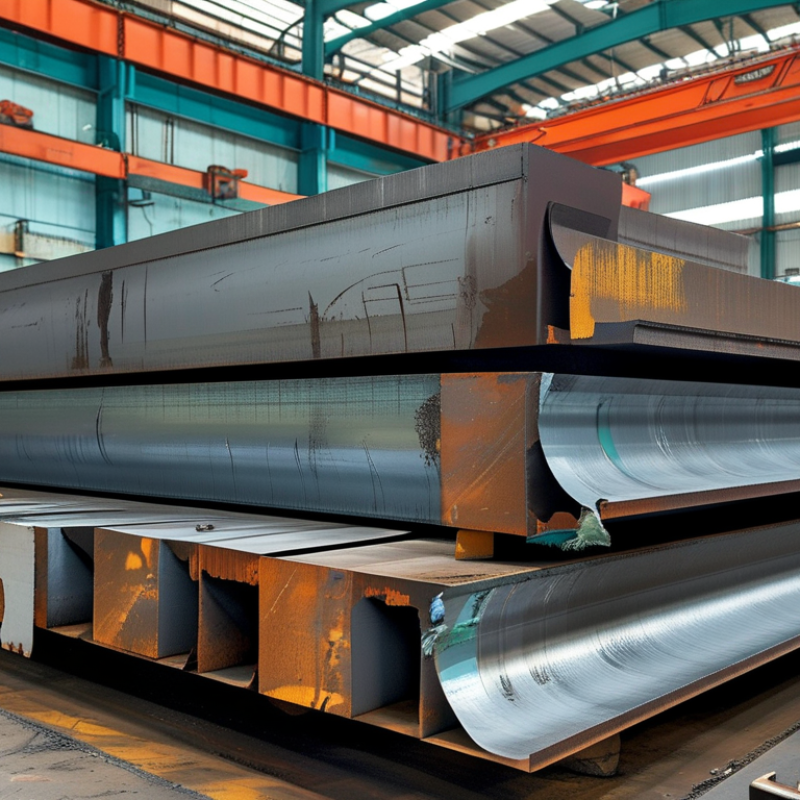
When purchasing carbon steel plates, understanding the various types and grades is crucial. Carbon steel can be classified into three main categories: low carbon, medium carbon, and high carbon. Each type has distinct properties based on its carbon content. Low carbon steel, for instance, contains up to 0.3% carbon. It is malleable and easy to work with. Medium carbon steel, ranging from 0.3% to 0.6%, offers a balance of strength and ductility. High carbon steel has more than 0.6% carbon, making it strong but less ductile.
Grades of carbon steel plates further define their usage. Common grades include A36 and A572. A36 is widely used for general structural applications. It provides good weldability and can be machined easily. A572 offers higher strength, making it suitable for projects requiring durability. Each grade comes with specific mechanical properties. Buyers should assess project requirements carefully.
It's important to reflect on the intended use of the plates. For example, if high wear resistance is crucial, high carbon steel may be necessary. However, this also makes it more challenging to weld. Also, some grades may have limitations in corrosion resistance. Buyers must weigh these factors against the project’s needs. Understanding your options can lead to more informed decisions, avoiding potential issues down the line.
Key Applications of Carbon Steel Plates in Various Industries
Carbon steel plates play a crucial role in various industries, reflecting their versatility and strength. In construction, these plates provide structural support and durability for buildings, bridges, and other infrastructures. Their ability to withstand high stress and weight makes them an essential choice for heavy-duty applications.
In the automotive sector, carbon steel plates are integral to manufacturing parts like chassis and frames. They offer a balance of strength and malleability, allowing for precise shaping. Moreover, the energy sector utilizes these plates in equipment like pipelines and storage tanks, where resistance to corrosion and robust performance are critical.
Tips: Always assess the specific requirements of your projects. Consider the thickness and grade necessary for your application. Consult with experts to avoid miscalculations. Look at supplier certifications to ensure quality.
Also, remember that while carbon steel plates are versatile, not every application will benefit from them. Reflect on the environment they will be used in. Weigh their advantages against potential drawbacks, such as susceptibility to rust or the need for protective coatings. Making informed decisions leads to better outcomes in project execution.
The Best Carbon Steel Plate Buying Guide for Global Buyers
| Application Industry |
Carbon Steel Plate Type |
Typical Thickness (mm) |
Common Uses |
Key Properties |
| Construction |
Mild Steel |
5 - 25 |
Structural beams, bridges |
High ductility, good weldability |
| Automotive |
High Strength Low Alloy |
2 - 10 |
Chassis components, engine parts |
Excellent strength-to-weight ratio |
| Shipbuilding |
Shipbuilding Steel |
6 - 20 |
Hull structures, decks |
Corrosion resistance, toughness |
| Energy |
Boiler Plates |
10 - 50 |
Pressure vessels, heat exchangers |
High-temperature strength, durability |
| Manufacturing |
Tool Steel |
5 - 30 |
Machining tools, dies |
Hardness, wear resistance |
Factors Influencing the Price of Carbon Steel Plates Globally
When considering the price of carbon steel plates globally, various factors play a crucial role. The fluctuations in raw material costs, such as iron ore and scrap steel, are significant. According to World Steel Association reports, the pricing of iron ore has seen considerable volatility, affecting overall production costs. In recent years, the price of iron ore peaked at approximately $220 per ton, illustrating the direct link between raw material costs and the final pricing of steel products.
Additionally, geographical location impacts pricing. Production costs can vary significantly across regions due to labor costs and energy prices. For instance, countries with cheaper labor might offer lower prices for carbon steel plates. However, this could compromise quality. Environmental regulations also differ widely. In regions with strict pollution controls, higher operational costs may result in increased prices for carbon steel plates.
Market demand is another critical factor. The global construction and automotive industries are significant consumers of carbon steel plates. A surge in these sectors can lead to higher prices. A report from the International Iron and Steel Institute notes that a 5% growth in construction demand can raise steel prices by 10% in the following quarter. Thus, buyers must stay informed about these dynamic market conditions.
Standards and Certifications for High-Quality Carbon Steel Plates
When purchasing carbon steel plates, standards and certifications play a crucial role. These guidelines ensure that materials meet specific quality requirements. High-quality carbon steel plates are often certified through international and regional standards such as ASTM, ISO, and EN. Such certifications indicate reliability and durability, making them essential for various applications, from construction to manufacturing.
Buyers should not overlook the importance of these certifications. A product may look good on the surface but fail to meet stringent standards. This can lead to significant issues in performance and safety. Inspecting certifications before making a purchase helps prevent costly mistakes. It’s also wise to revisit supplier credentials. Experience matters in this industry.
Quality assurance is another area to focus on. Sometimes, companies might skip testing their products to save time. This could undermine the integrity of the steel plates. Always request test reports, as they provide transparency. Understand the specifications required for your project. They may vary widely, highlighting the need for thorough research before buying. This ensures that the carbon steel plates you choose are suited to your specific needs.
Tips for Choosing the Right Supplier for Carbon Steel Plates
Choosing the right supplier for carbon steel plates is crucial for global buyers. The quality of materials can significantly affect the outcome of projects. According to the World Steel Association, global steel production was about 1.9 billion metric tons in 2021. A significant portion of that is carbon steel, widely used across various industries. Ensuring you partner with a reliable supplier can help maintain the integrity of your projects.
**Tip:** Research suppliers thoroughly. Look for those with ISO certification. This indicates they meet international quality standards. Ask about their sourcing practices and traceability of materials. Transparency in sourcing is essential for ensuring consistent quality. In interviews, some suppliers may not share detailed sourcing practices. This could be a red flag for potential buyers.
It’s valuable to compare multiple suppliers. Analyze their customer reviews and feedback. Some suppliers may show inflated customer satisfaction. This discrepancy highlights the need for diligent research. You can also request samples of their carbon steel plates. Assessing these will give you a clear idea of their product quality and suitability for your needs.
The Best Carbon Steel Plate Buying Guide for Global Buyers
This chart illustrates the global demand for carbon steel plates across different industries. It helps buyers understand which sectors are the largest consumers of carbon steel plates, allowing them to make informed decisions when choosing a supplier.

 Angle Steel
 Channel Steel
 Universal Beam (l-Beam)
 H-Beam Steel
 Galvalume Steel Coil
 Galvalume Steel Sheet
 Galvanized Steel Sheet
 Color Coated Plate
 Stainless Steel Bar
 Stainless Steel Pipe
 Steel Bar
 Wire Rope
 Carbon Steel Pipe
 Carbon Steel Plate
 Aluminum Plate
 Aluminum Coil
 Aluminum Pipe
 Aluminum Bar
 Magnesium Ingot
 Fasteners