China Best Hot Rolled Carbon Steel for Global Buyers?
In recent years, Hot Rolled Carbon Steel has emerged as a significant player in the global market. China is one of the largest producers, accounting for over 50% of the world’s hot rolled steel output. This statistic underscores China's dominant position in steel manufacturing. The country’s advanced technology and efficient production processes play pivotal roles in this achievement.
Industry experts highlight that the demand for Hot Rolled Carbon Steel is projected to grow steadily. According to a report by the World Steel Association, global consumption is expected to increase by 3% annually. This underscores the importance of high-quality steel for various applications, including construction and automotive industries. However, China faces challenges, such as environmental regulations and fluctuating raw material costs, that could impact this growth trajectory.
The competitive landscape is complex. While China excels in volume, other countries focus on quality. Buyers must navigate these dynamics carefully. Understanding the pros and cons of sourcing from China is crucial. Companies should prioritize reliable suppliers to mitigate risks. As they explore options, reflecting on these factors will guide them in making informed decisions in the hot rolled carbon steel market.
China's Position in the Global Hot Rolled Carbon Steel Market
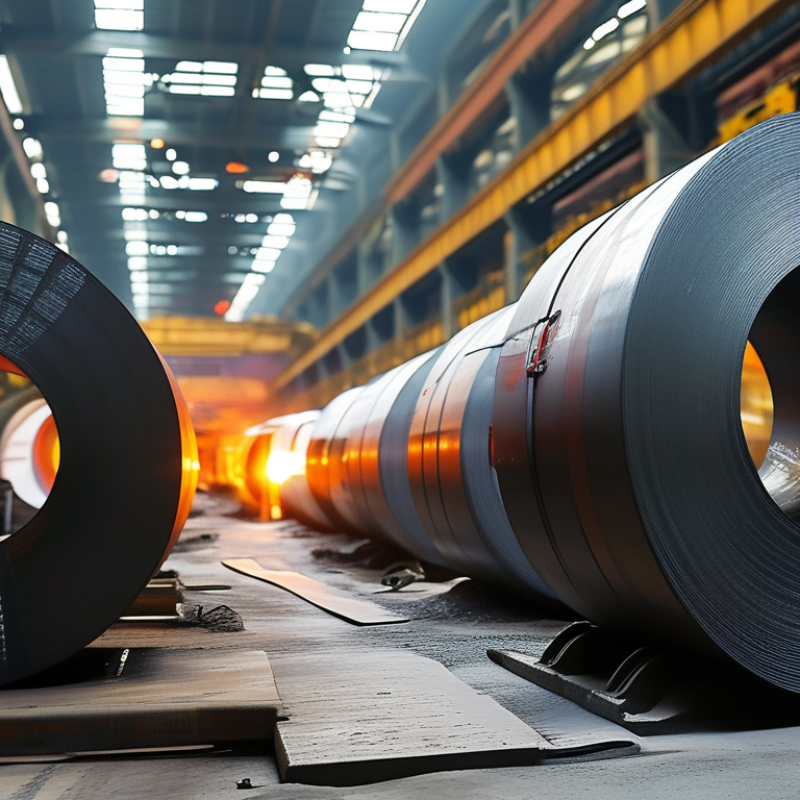
China's position in the global hot rolled carbon steel market is significant. The country has become a leading producer, exporting a vast quantity to various regions. Factories in China employ advanced techniques, ensuring high-quality products that meet international standards. This competitive edge stems from both large-scale production and lower costs.
Many buyers appreciate the diversity of products available. However, the rapid growth has led to concerns over quality inconsistencies. Some manufacturers do not adhere to best practices, resulting in variability in product performance. This inconsistency may lead buyers to question reliability.
Despite these challenges, China's steel industry remains strong. The market is influenced by changing global dynamics. Trade tensions and environmental policies have begun to reshape strategies. Buyers should remain informed about these developments while considering their options. Understanding the market's complexities can lead to better purchasing decisions.
Key Characteristics and Specifications of Hot Rolled Carbon Steel
Hot rolled carbon steel is essential in various industries. Its specifications significantly influence performance and application. This steel is produced by rolling the steel at high temperatures, allowing for easier shaping and greater flexibility. According to industry reports, hot rolled carbon steel usually has a yield strength ranging from 250 to 350 MPa. Its tensile strength is often between 400 to 500 MPa, making it suitable for structural applications.
The key characteristics of hot rolled carbon steel include uniform thickness and improved mechanical properties. This steel type exhibits a rough surface finish, which can be advantageous for industrial applications, yet may be a downside for aesthetic purposes. Additional specifications, like carbon content, typically ranges from 0.05% to 0.30%, affecting hardness and ductility. However, challenges arise regarding variability in properties due to the high processing temperatures, which sometimes lead to unexpected mechanical behaviors.
While many appreciate the material's cost-effectiveness, it is essential to evaluate its limitations. For instance, hot rolled steel is prone to distortion during cooling. This requires extra care in design and manufacturing processes. Depending on the application, these factors could compromise the expected performance standards. Continuous assessment of industry practices can lead to more refined approaches in utilizing hot rolled carbon steel effectively.
Production Processes: Analyzing China's Manufacturing Techniques
China has established itself as a key player in the production of hot rolled carbon steel. The manufacturing process here is intricate and involves several vital techniques. The initial step is heating the raw material to high temperatures. This allows the steel to be malleable and easier to shape. However, controlling the temperature is crucial. Too much heat can alter the steel's properties.
Once heated, the steel undergoes rolling. This step requires immense pressure and precision. The equipment used must be regularly maintained to ensure consistency. Any oversight can result in defects that affect the end product. After rolling, the steel is cooled down, which can lead to challenges in achieving uniform thickness. These variations require careful monitoring.
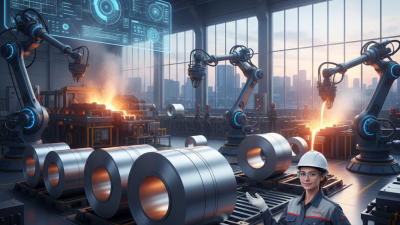
China’s industry heavily focuses on automation. Robots are increasingly used in the production line. While this boosts efficiency, it raises questions about the workforce. Additionally, the reliance on technology means that any failure in the system could result in significant losses. Balancing innovation with traditional craftsmanship remains a challenging task for manufacturers.
Global Demand Trends for Hot Rolled Carbon Steel: Insights and Statistics
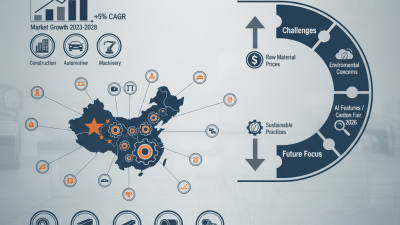
The global demand for hot rolled carbon steel has been steadily increasing, reflecting significant trends in various industries. According to recent market analyses, the demand is driven by infrastructure development and manufacturing activities. The global hot rolled carbon steel market was valued at approximately USD 250 billion in 2022. It is projected to grow at a CAGR of around 5% through 2030.
In North America and Asia-Pacific, construction projects are the main consumer of hot rolled carbon steel. An analysis from Steel Market Insights shows that these regions accounted for nearly 60% of the global consumption in 2022. In contrast, Europe's demand is declining due to stricter regulations and a shift towards sustainable materials. This presents challenges for suppliers and consumers alike, influencing pricing and availability.
The increase in demand also brings complexity. Fluctuations in raw material prices and supply chain disruptions can impact production. It's crucial for industry stakeholders to stay informed. Market intelligence reports highlight the need for strategic planning in procurement and production to navigate these uncertainties. Being aware of regulations in various markets remains essential for effective operations.
China Best Hot Rolled Carbon Steel for Global Buyers? - Global Demand Trends for Hot Rolled Carbon Steel: Insights and Statistics
| Country |
Import Volume (Metric Tons) |
Year-on-Year Growth (%) |
Average Price (USD per Ton) |
Main Application Sector |
| USA |
1,200,000 |
5 |
750 |
Construction |
| India |
850,000 |
8 |
700 |
Automotive |
| Germany |
600,000 |
3 |
800 |
Manufacturing |
| Brazil |
500,000 |
10 |
720 |
Infrastructure |
| Japan |
400,000 |
6 |
900 |
Electronics |
Comparative Analysis: China vs. Other Major Producers in the Industry
In the competitive landscape of hot-rolled carbon steel, China's production capacity stands out. Recent data indicates China holds a 50% share of the global market. This dominance is rooted in strategic investments and advancements in manufacturing technologies. However, production quality varies.
China's average yield strength reaches up to 400 MPa, which is comparable to major suppliers in Europe and North America. Yet, discrepancies exist. Observations of quality control show that some Chinese mills still struggle with consistency. This highlights a crucial point for buyers: individual supplier vetting is essential.
Tip: Always request material certifications to verify compliance with international standards.
Countries such as India and Japan also present viable alternatives. India's carbon steel output is increasing, but quality assurance protocols differ. Japanese producers excel in meticulous quality checks, yet their pricing may not be competitive. Buyers should weigh cost against quality, considering long-term needs over short-term savings.
Tip: Engage with suppliers for trial samples before bulk purchases to assess quality firsthand.

 Angle Steel
 Channel Steel
 Universal Beam (l-Beam)
 H-Beam Steel
 Galvalume Steel Coil
 Galvalume Steel Sheet
 Galvanized Steel Sheet
 Color Coated Plate
 Stainless Steel Bar
 Stainless Steel Pipe
 Steel Bar
 Wire Rope
 Carbon Steel Pipe
 Carbon Steel Plate
 Aluminum Plate
 Aluminum Coil
 Aluminum Pipe
 Aluminum Bar
 Magnesium Ingot
 Fasteners