How to Buy Hot Rolled Steel Globally in 2026?
Buying Hot Rolled Steel globally in 2026 requires more than comparing mill quotations. Buyers must connect grade, dimensions, delivery terms, and market risk. A coil may look inexpensive in a spreadsheet, yet port storage, inland transport, and inspection costs can change the final landed price.
The World Steel Association’s October 2024 Short Range Outlook projected global steel demand at about 1.77 billion tonnes in 2025. Its forecast also indicated modest growth after a difficult period for construction and manufacturing. The OECD Steel Market Developments report has repeatedly highlighted excess capacity, weak demand, and trade uncertainty as major risks. These conditions make supplier verification essential. Check the mill’s production route, test certificates, coil weight, surface condition, and tolerance records. Small details matter.
Experience matters here.
Edwin Basson, Director General of the World Steel Association, has said, “Steel is essential for modern life.” That statement explains why purchasing decisions affect buildings, machinery, vehicles, and energy infrastructure. In 2026, professional buyers should compare offers using landed cost, not only the base price. They should also review payment security, shipment timing, quality claims, and applicable import requirements. A lower offer can hide a longer lead time or inconsistent chemistry. That assumption is often wrong. Buyers should remain flexible, because forecasts can change quickly. This guide examines practical sourcing methods, supplier due diligence, pricing signals, and contract safeguards for international Hot Rolled Steel procurement.
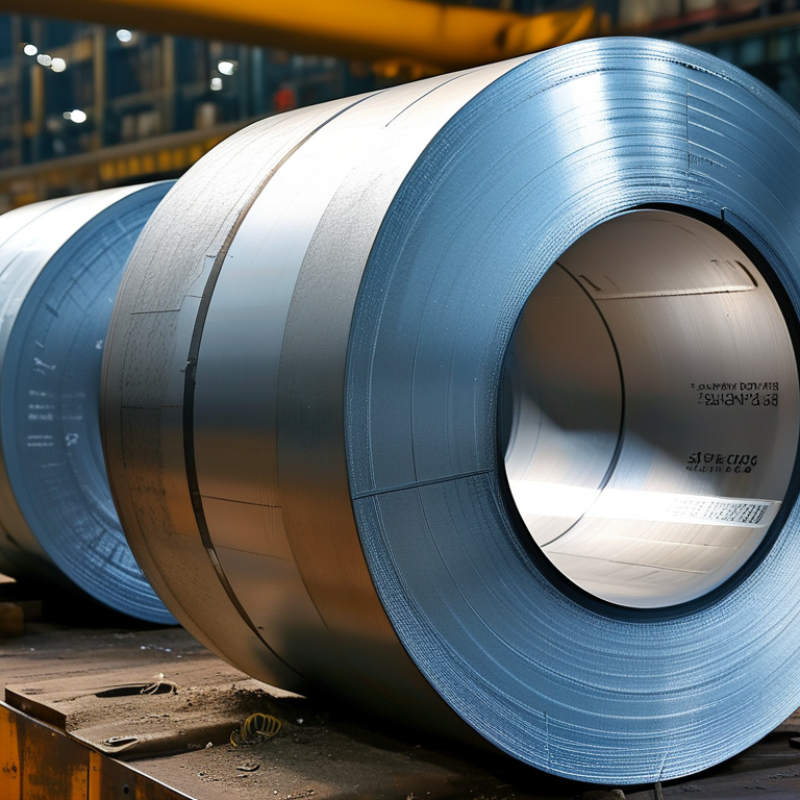
Define Hot Rolled Steel Grades, Forms, and Global Applications
How to Buy Hot Rolled Steel Globally in 2026?
Hot rolled steel is shaped above its recrystallization temperature, usually above 900°C. It leaves the mill with a rough surface and wider dimensional tolerance. Common forms include coils, sheets, plates, bars, and structural sections. The World Steel Association reported about 1.88 billion tonnes of crude steel production in 2024, showing the scale of this global supply market.
Grade selection depends on the application, not only price. ASTM A36 suits many general structures, while ASTM A572 Grade 50 provides higher yield strength. EN 10025 S275 and S355 are common European structural grades. JIS G3101 SS400 remains widely specified in Asian projects. Hot rolled coil supports automotive parts, machinery, storage tanks, bridges, and building frames. Plate thickness, coil weight, edge condition, and surface scale require precise confirmation. A cheaper grade can create welding or forming problems later. I have seen specifications copied between projects without checking local standards. That shortcut deserves reconsideration.
Tips: Request the mill test certificate, heat number, chemical analysis, yield strength, tensile strength, and impact results when required. Confirm whether the buyer needs pickled and oiled material or untreated scale. Compare offers using delivered cost, not only the mill price. The OECD Steel Market Developments report highlights continuing regional trade and capacity pressures, so lead times can change quickly. Check origin, port congestion, inspection timing, packaging, and tolerances before placing the order. Third-party inspection is useful for large plate purchases. Stay cautious.
Assess Specifications, Quality Standards, and Required Quantities
When buying hot rolled steel globally in 2026, specifications should lead the discussion. The World Steel Association reported 1,882.6 million tonnes of crude steel production in 2024. This scale creates wide differences in grades, dimensions, and delivery practices. Define the end use before requesting prices. Structural frames may require S235 or S355 under EN 10025-2. General fabrication may use ASTM A36 or JIS G3101 SS400. Confirm thickness, width, coil or sheet form, surface condition, edge type, and dimensional tolerances. A cheaper grade can become expensive after cutting, welding, or rework.
Quality evidence must match the specification. Request a mill test certificate for every heat number. Check chemical composition, yield strength, tensile strength, elongation, and impact results when required. Verify certificates against the inspection plan. Independent inspection is useful for unfamiliar suppliers. The OECD Steel Outlook 2024 projects about 158 million tonnes of new steelmaking capacity by 2026. More capacity does not automatically mean consistent quality. I have seen neat documents hide unclear tolerances. That is an uncomfortable but practical warning.
Tips: Separate trial quantities from annual demand. State net weight, maximum coil weight, shipment window, and acceptable tolerance. For a first order, a smaller batch can reveal surface defects and packing weaknesses. Avoid ordering only by “hot rolled steel.” Include the standard, grade, thickness range, testing requirements, and required quantity. Recheck whether the quantity reflects usable steel, not theoretical weight. Mistakes happen there.
Compare International Suppliers, Prices, Lead Times, and Trade Terms
Buying hot rolled steel globally in 2026 requires more than comparing one price per tonne. World Steel Association’s October 2024 Short Range Outlook expected global steel demand to reach about 1.77 billion tonnes in 2025, with modest growth after a weak 2024. This demand pattern can affect mill availability, export offers, and regional premiums. OECD’s Steel Outlook also highlights continuing capacity pressure, which may create aggressive quotes but uneven production schedules.
Some offers look cheap. My own purchasing reviews show that freight, insurance, port fees, and inspection costs can erase a small mill discount. Compare suppliers using the same specification: grade, thickness tolerance, coil weight, surface condition, and mill-test documentation. A 5 mm coil from one country may not equal a 5 mm coil from another. Request recent production photos and verify the loading port, not only the factory address.
Lead time needs careful testing. Ask for production days, booking time, ocean transit, customs clearance, and delivery to your warehouse. FOB may suit experienced buyers, while CFR gives clearer ocean freight visibility. DDP can simplify delivery, but its total price may hide limited control over customs handling. Check benchmark movements through the World Bank Commodity Markets Outlook and compare them with monthly customs data. I would still keep a buffer. Weather, port congestion, and re-rolling delays remain easy to underestimate.
Plan Shipping, Customs Clearance, Taxes, and Delivery Risk Management
How to Buy Hot Rolled Steel Globally in 2026?
Global hot rolled steel buying starts with a landed-cost plan, not a mill quotation. The World Bank’s 2023 Logistics Performance Index shows that shipments spend about 44 days moving through international supply chains. Build this time into production schedules. Request coil weight, thickness tolerance, surface condition, mill test certificates, and packing details before payment. Small specification gaps can create large customs delays.
Shipping remains exposed to disruption. UNCTAD’s Review of Maritime Transport 2024 reported 2.4% growth in maritime trade during 2023, while geopolitical and routing risks continued to pressure schedules. Compare ports, vessel routes, container or breakbulk options, and demurrage terms.
Protect coils with suitable wrapping, desiccants, and raised storage. Moisture damage is often underestimated. It is also expensive.
Customs clearance needs accurate product classification, commercial invoices, certificates of origin, and consistent weights. Confirm applicable duties, value-added taxes, and import fees with a licensed customs adviser in the destination country. Incoterms must match real responsibilities for freight, insurance, unloading, and delivery. The World Bank notes that logistics reliability differs sharply between economies, so use delivery buffers and alternative ports. Cargo insurance can reduce exposure, but exclusions matter. A practical risk register should track currency changes, inspection holds, port congestion, and inland trucking capacity. My own planning error would be treating the quoted freight rate as fixed; it rarely remains so for long.

 Angle Steel
 Channel Steel
 Universal Beam (l-Beam)
 H-Beam Steel
 Galvalume Steel Coil
 Galvalume Steel Sheet
 Galvanized Steel Sheet
 Color Coated Plate
 Stainless Steel Bar
 Stainless Steel Pipe
 Steel Bar
 Wire Rope
 Carbon Steel Pipe
 Carbon Steel Plate
 Aluminum Plate
 Aluminum Coil
 Aluminum Pipe
 Aluminum Bar
 Magnesium Ingot
 Fasteners