Why Choose Stainless Coil for Your Manufacturing Needs?
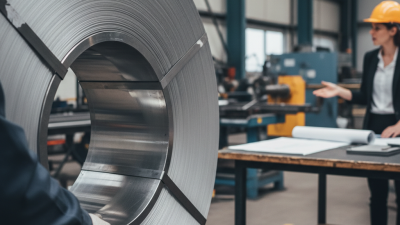
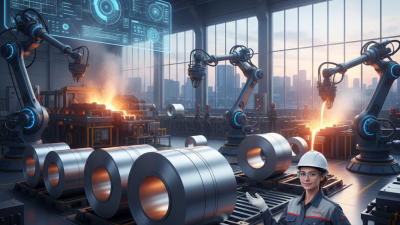
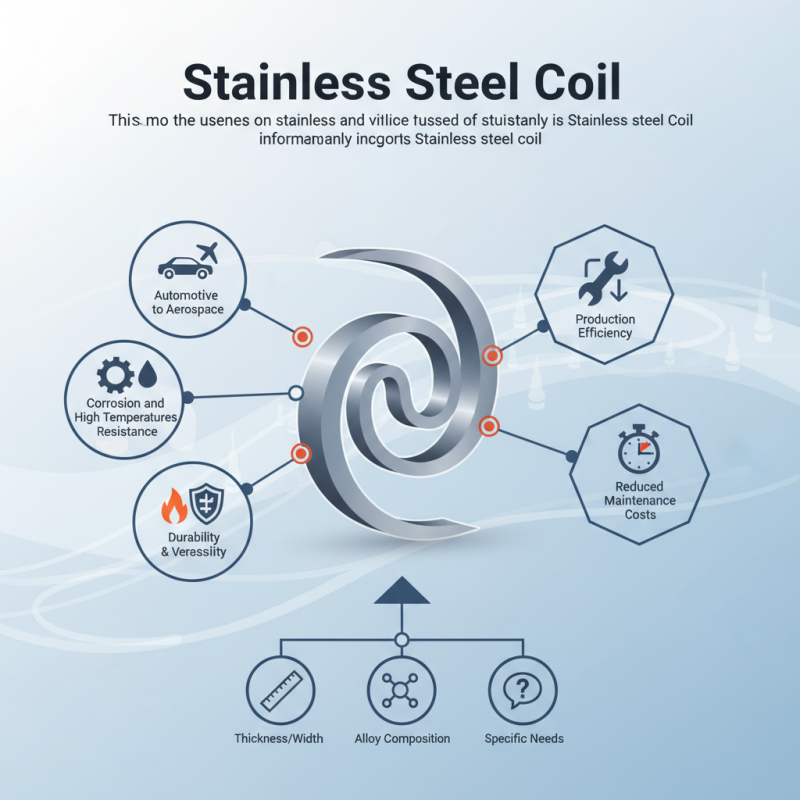
In today's fast-paced manufacturing environment, choosing the right materials is crucial. Stainless Coil stands out due to its durability and versatility. This material has gained popularity across various industries, from automotive to aerospace. Its resistance to corrosion and high temperatures makes it ideal for challenging applications.
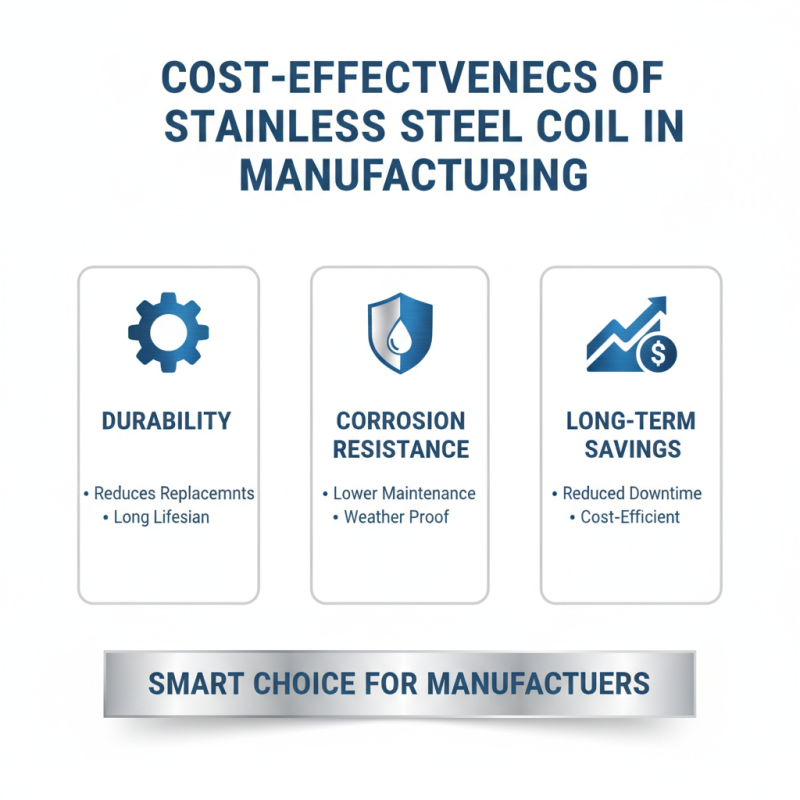
Stainless Coil not only enhances the performance of products but also ensures longevity. The manufacturing process often requires materials that can withstand significant wear and tear. Stainless Coil meets these demands effectively. Many manufacturers have found that using this material reduces maintenance costs over time. It is a cost-effective solution for long-term projects.
Despite its many advantages, selecting the right type of Stainless Coil can be complex. Each application has unique requirements. It is essential to assess factors such as thickness, width, and alloy composition. Manufacturers should reflect on their specific needs before making a final choice. Investing time in this decision can lead to better outcomes for production efficiency.
Understanding Stainless Steel Coils: Properties and Benefits
When considering materials for manufacturing, stainless steel coils stand out. These coils offer unique properties that can enhance product durability and performance.
Stainless steel’s resistance to corrosion and staining is one key advantage. According to a report by the International Stainless Steel Forum, stainless steel’s corrosion resistance can increase its lifespan by up to three times compared to carbon steel in specific environments.
Another significant benefit is the material's strength. Stainless steel can withstand high temperatures and heavy loads. A study by the Global Steel Innovations Forum indicated that stainless steel can maintain its structure under extreme conditions.
This resilience makes it suitable for industries ranging from automotive to construction.
However, choosing stainless steel isn't without challenges. The initial cost can be higher compared to alternative materials. Companies must weigh these costs against long-term savings from durability and lower maintenance needs. Understanding the specific application is crucial.
Not all grades of stainless steel suit every purpose, and improper selection can lead to unexpected failures. Each manufacturing situation is unique, requiring careful consideration.
Applications of Stainless Steel Coil in Various Industries
Stainless steel coil is widely used across many industries. Its resistance to corrosion makes it a preferred choice. For example, the food and beverage sector relies on stainless steel for equipment and storage. The material is durable and easy to clean, ensuring safety in food handling.
In the construction industry, stainless steel coils serve as essential materials in structural applications. They provide strength and resilience against harsh weather. Railings, facades, and roof cladding often utilize stainless steel, enhancing both durability and aesthetics. The automotive sector also benefits from stainless steel. It is used in exhaust systems and body components for improved longevity.
However, not all projects suit stainless steel. Its higher initial cost can be a drawback. Proper assessment is crucial when selecting materials. Ensuring that the benefits outweigh the potential downsides is essential for optimal performance. Understanding specific needs and comparing options can lead to better material choices.
Cost-Effectiveness of Using Stainless Steel Coil for Manufacturing
Stainless steel coil offers a range of benefits for manufacturing. Cost-effectiveness is a significant factor that makes it a popular choice. It provides durability and reduces frequent replacement costs. Its resistance to corrosion lowers maintenance expenses. Thus, manufacturers can save money in the long run.
Using stainless steel coil can also minimize waste. The production process allows for high precision in cutting and shaping. This efficiency helps manufacturers maximize material usage. However, it’s essential to source quality materials. Subpar steel could lead to additional costs and complications. Companies must ensure they partner with reliable suppliers.
Moreover, stainless steel’s versatility enhances production capabilities. It can be easily molded into various forms, catering to diverse applications. Yet, there are challenges. Some may overlook the initial price, which can be higher than other materials. It's crucial for businesses to analyze long-term benefits versus upfront costs carefully.
Comparison of Stainless Steel Coils with Other Materials
When considering materials for manufacturing,
stainless steel coils stand out in various applications.
Unlike carbon steel, stainless steel offers excellent corrosion resistance.
This makes it ideal for environments exposed to moisture and chemicals.
In contrast, aluminum might be lighter but lacks the durability necessary for long-term projects.
Its susceptibility to corrosion is a significant drawback.
The strength of stainless steel coils often exceeds that of other options.
Although titanium is stronger, it comes with a hefty price tag.
Cost-effectiveness is key in many manufacturing scenarios.
Stainless steel provides a good balance between price and performance.
However, it's essential to weigh the challenges.
The welding process can be tricky, requiring skilled labor.
Recycling is another aspect to consider.
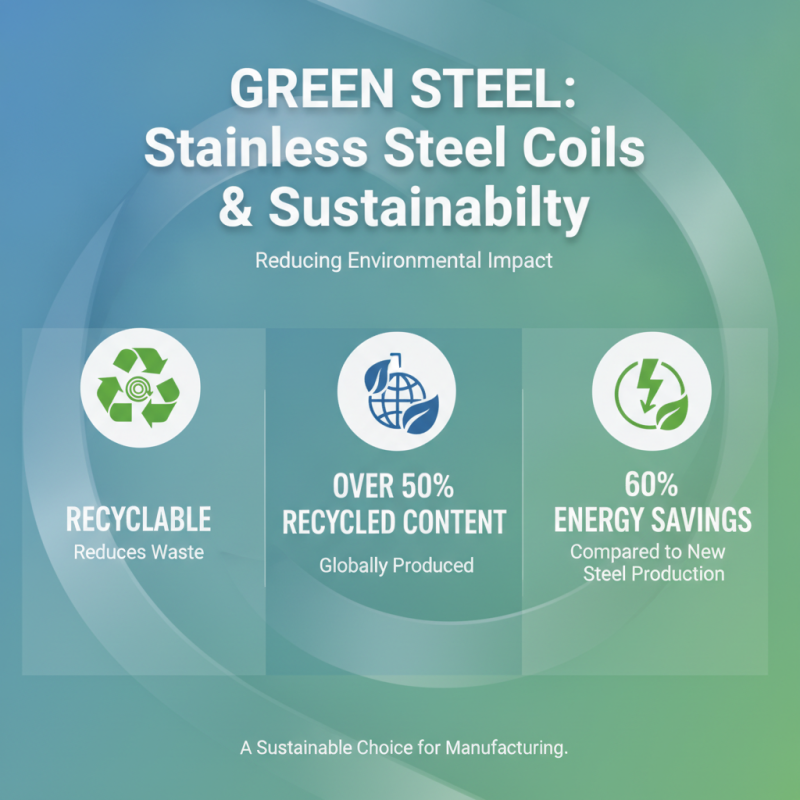
Stainless steel coils are highly recyclable, making them a more sustainable choice.
However, some manufacturers still favor plastics for certain applications due to their lightweight nature.
In the end, the decision should align with specific project requirements.
Each material has pros and cons, prompting careful consideration before making a choice.

 Angle Steel
 Channel Steel
 Universal Beam (l-Beam)
 H-Beam Steel
 Galvalume Steel Coil
 Galvalume Steel Sheet
 Galvanized Steel Sheet
 Color Coated Plate
 Stainless Steel Bar
 Stainless Steel Pipe
 Steel Bar
 Wire Rope
 Carbon Steel Pipe
 Carbon Steel Plate
 Aluminum Plate
 Aluminum Coil
 Aluminum Pipe
 Aluminum Bar
 Magnesium Ingot
 Fasteners