How to Choose the Best Stainless Steel Round Pipes for Your Needs?
Choosing the best Stainless Steel Round Pipes for your projects can be challenging. The variety of qualities and grades available makes decision-making crucial. Industry expert John Smith, a renowned metallurgist, once stated, "The right selection of Stainless Steel Round Pipes can enhance performance and longevity." This shows how essential understanding the needs of your project is.
Recent data from the Stainless Steel Pipe and Tube Association indicates a growing demand for high-quality stainless steel products. In fact, the market is expected to grow by 5% annually. Different applications require different standards. For example, pipes used in chemical processing must resist corrosion. This highlights the importance of evaluating properties like corrosion resistance and strength before making a purchase.
Investing in Stainless Steel Round Pipes without proper knowledge may lead to costly mistakes. Awareness of the specifications needed for your application is vital. Consider factors like diameter, thickness, and finish. Sometimes, questioning the choice of supplier or material can lead to better results. Reflecting on past experiences can guide future decisions.
Factors to Consider When Selecting Stainless Steel Round Pipes
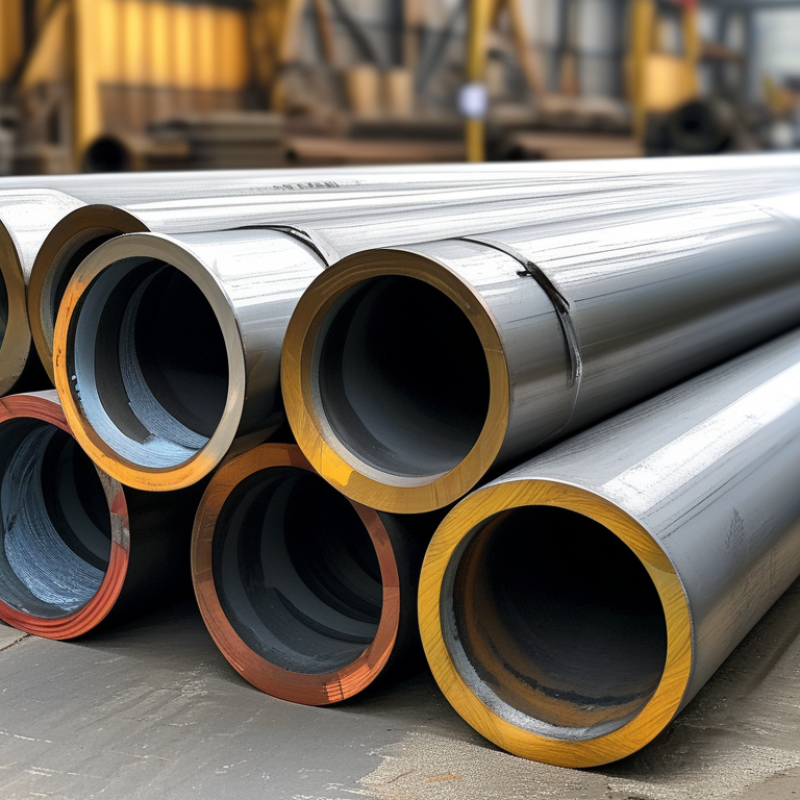
Choosing the right stainless steel round pipes is crucial for many projects. First, consider the material's grade. Different grades offer varying levels of corrosion resistance and durability. For instance, 304 stainless steel is common for general applications, while 316 stainless steel provides enhanced resistance to harsh environments.
Think about the pipe's dimensions. Diameter and wall thickness impact strength and flow capacity. Smaller pipes may suffice for domestic applications, while larger pipes are essential in industrial settings. Measure the needed length accurately to avoid excess waste.
Another factor is the manufacturing process. Pipes may be welded or seamless. Seamless pipes often exhibit superior strength, but welded pipes can be more cost-effective. Reflect on the specific needs of your project. Sometimes, the best choice might not be the most expensive option. Always consult with knowledgeable professionals for guidance tailored to your situation.
Understanding Different Grades of Stainless Steel for Round Pipes
When selecting stainless steel round pipes, understanding the different grades is crucial. Stainless steel grades vary in properties, such as corrosion resistance and strength. Common grades include 304 and 316. The 304 grade is versatile and often used in home applications. It offers good corrosion resistance and is relatively affordable. However, it may not perform well in highly corrosive environments.
On the other hand, 316 stainless steel contains molybdenum, enhancing its corrosion resistance. It is ideal for marine or chemical applications. Choosing the right grade depends on your specific needs. Think about where you will use these pipes. Will they be exposed to harsh weather or chemicals?
Remember, not all stainless steels are created equal. Sometimes, a higher grade may be overkill. It's important to strike a balance between performance and cost. Assess your requirements carefully. Be mindful of how the material interacts with its environment. Make informed decisions based on your unique situation to ensure the best outcome.
Key Applications of Stainless Steel Round Pipes in Various Industries
Stainless steel round pipes are utilized in many industries due to their strength, durability, and resistance to corrosion. In the construction sector, they serve as crucial components in
scaffolding and support structures. Their ability to withstand environmental stresses makes them a fundamental choice for builders. In the automotive industry, these pipes are used in exhaust systems and fuel lines, enhancing vehicle longevity.
In food processing, stainless steel round pipes ensure hygiene and safety. They do not react with food products, making them ideal for transporting liquids and gases. The pharmaceutical industry also relies on these pipes for the sanitary transfer of chemicals and drugs. With stringent regulations in place, the right material is critical for compliance.
Choosing the right stainless steel round pipe can be challenging. Here are some tips:
- Assess the application's specific requirements. Understand the environment the pipes will be exposed to.
- Check for certifications and compliance with industry standards. Quality assurance can prevent costly failures.
- Consider the diameter and wall thickness. These factors influence the pipe's suitability and overall performance.
Mistakes can occur in assessments. Not all projects require high-grade materials. Evaluating the need carefully avoids
overspending while ensuring safety.
Comparing the Cost and Quality of Stainless Steel Round Pipes
When selecting stainless steel round pipes, cost and quality are crucial factors. Different grades of stainless steel can significantly impact both price and performance. Lower-grade options may save money upfront but often compromise durability and corrosion resistance. In contrast, higher-grade stainless steel pipes, although pricier, provide long-term benefits through enhanced strength and longevity.
It’s essential to balance your budget with your project requirements. Consider where and how the pipes will be used. For example, pipes exposed to harsh environmental conditions should be of a higher grade to ensure reliability. It might be tempting to go for the cheapest option, but this can lead to frequent replacements and higher overall costs in the long run. Quality should never be overlooked.
Additionally, check suppliers’ reputations and customer reviews. Reliable suppliers typically offer transparent pricing and clear specifications. There could be discrepancies in thickness and finish, which often affect performance. Asking for sample materials may help you evaluate quality before making a purchase decision. This cautious approach can ultimately save money and frustration.
Tips for Proper Maintenance and Care of Stainless Steel Round Pipes
Proper maintenance of stainless steel round pipes is crucial for longevity. Regular cleaning is essential. Use a mild detergent and warm water. A soft cloth or sponge works best. Rinse thoroughly to avoid residue. This simple step can prevent corrosion over time.
Inspect your pipes regularly for signs of wear. Look for scratches or dents. Such issues can lead to rust if left unchecked. Pay attention to joints and welds. These areas are often more vulnerable. Consider applying a protective sealant to enhance durability.
Storage is equally important. Keep pipes in a dry, cool place. Avoid exposure to harsh chemicals. Even common household items can cause damage. If you notice discoloration or stains, act quickly. Addressing these issues early can save you time and money in repairs. Taking these precautions can ensure the effective performance of your stainless steel pipes.

 Angle Steel
 Channel Steel
 Universal Beam (l-Beam)
 H-Beam Steel
 Galvalume Steel Coil
 Galvalume Steel Sheet
 Galvanized Steel Sheet
 Color Coated Plate
 Stainless Steel Bar
 Stainless Steel Pipe
 Steel Bar
 Wire Rope
 Carbon Steel Pipe
 Carbon Steel Plate
 Aluminum Plate
 Aluminum Coil
 Aluminum Pipe
 Aluminum Bar
 Magnesium Ingot
 Fasteners