What is Hot Rolled Carbon Steel Benefits and Uses?
Hot Rolled Carbon Steel is a vital material in various industries. Its unique properties make it a preferred choice for different applications. This steel is created by rolling heated steel into thin sheets. The process enhances its strength while maintaining flexibility. Despite its advantages, users must consider its limitations, such as susceptibility to corrosion.
One remarkable benefit of Hot Rolled Carbon Steel is its cost-effectiveness. It is often more affordable than cold-rolled steel, making it accessible for many projects. The versatility of this material allows it to be used in construction, manufacturing, and automotive industries. Additionally, its ease of machining offers practical advantages. However, quality can vary based on production methods, warranting careful selection.
Understanding the properties of Hot Rolled Carbon Steel is essential for making informed decisions. Users should consider both its strengths and weaknesses. Some applications may demand higher precision that hot rolled steel may not provide. Awareness of these factors will help in selecting the right steel for specific needs.
What is Hot Rolled Carbon Steel?
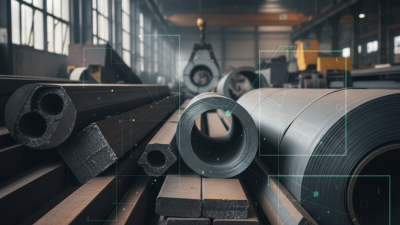
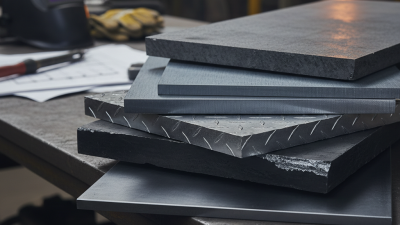
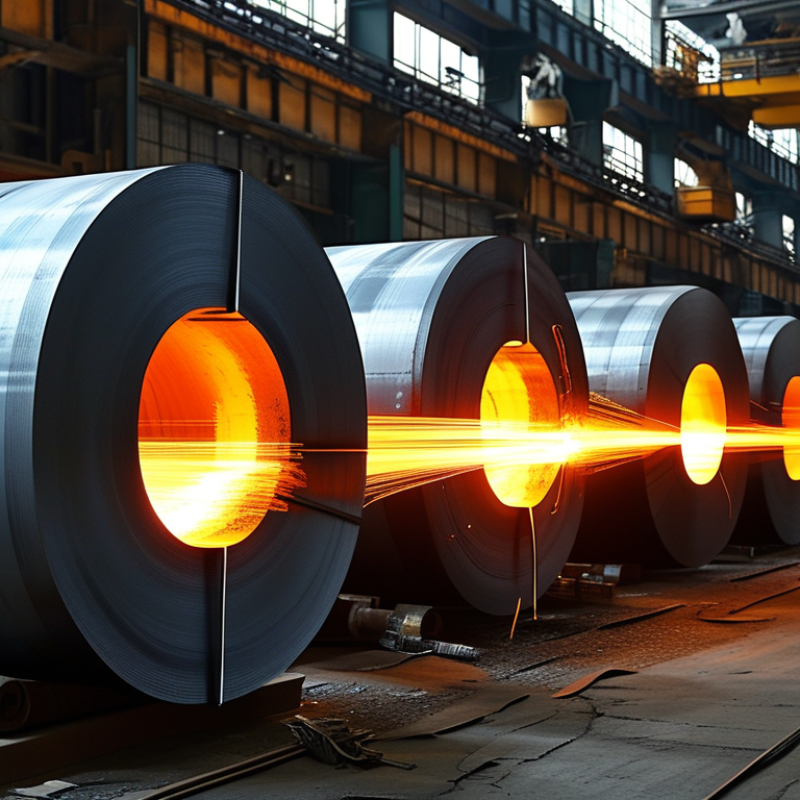
Hot rolled carbon steel is a versatile material used in various industries. It is produced by rolling steel at high temperatures, making it easier to shape and mold. This process enhances its ductility and reduces its hardness. The result is a product that is well-suited for structural applications.
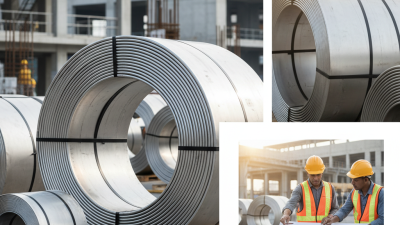
In construction, hot rolled carbon steel is popular due to its strength and reliability. According to the World Steel Association, hot rolled steel accounts for approximately 30% of the total steel production worldwide. Its unique properties allow it to be used in beams, columns, and reinforcements, which are essential for building frameworks. The ease of fabricating this steel makes it a favored choice for manufacturers as well.
However, hot rolled carbon steel is not without its challenges. The surface condition can sometimes be rough, making it less suitable for certain aesthetic applications. Additionally, its susceptibility to rusting necessitates protective coatings in environments with high humidity or exposure to moisture. These factors must be carefully considered when selecting the right material for a project.
Key Advantages of Hot Rolled Carbon Steel in Industry
Hot rolled carbon steel is a staple in various industries. Its manufacturing process enhances its structural integrity and versatility. The high temperatures used in rolling help achieve desired shapes and thicknesses efficiently.
One of the key advantages is its cost-effectiveness. The production process requires less energy compared to cold-rolled steel. This affordability makes hot rolled carbon steel a go-to option for construction and manufacturing projects. Additionally, its malleability allows for easy shaping and welding.
In automotive and heavy machinery applications, hot rolled carbon steel serves as a strong foundation for durability. It withstands high stress and extreme environments, making it reliable for essential components. However, it’s important to consider that the surface finish may not always meet aesthetic preferences. In certain cases, it necessitates further treatment for specific applications. This blend of practicality and potential drawbacks merits careful evaluation.
What is Hot Rolled Carbon Steel Benefits and Uses? - Key Advantages of Hot Rolled Carbon Steel in Industry
| Benefit |
Description |
Common Uses |
| Cost-Effective |
Hot rolling processes are generally less expensive due to lower processing costs compared to cold rolling. |
Structural frames, automotive components |
| Improved Formability |
Hot rolled steel can be shaped and formed more easily than cold rolled steel, enabling various designs. |
Manufacturing parts, welding applications |
| Uniform Properties |
Hot rolling leads to uniform material properties, resulting in consistent performance in applications. |
Construction, pipes, and tubes |
| High Strength |
Hot rolled carbon steel typically exhibits higher tensile strength compared to other forms of steel. |
Heavy machinery, structural components |
| Versatility |
Can be used in various applications across different industries due to its adaptable nature. |
Various parts in construction, automotive, and manufacturing |
Common Applications of Hot Rolled Carbon Steel
Hot rolled carbon steel finds extensive use in various industries due to its favorable properties. One key application is in the construction sector.
The construction of buildings and bridges often relies on this type of steel for its strength and durability. According to the World Steel Association, about 70% of all steel produced is used in construction. This highlights the inherent demand for hot rolled carbon steel.
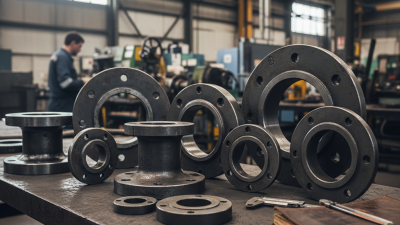
In manufacturing, hot rolled carbon steel is prevalent in producing machinery and equipment. Its malleability allows manufacturers to shape it easily into different forms.
Reports indicate that this form of steel is utilized in automotive production, with approximately 40% of automotive components made from hot rolled steel. This reflects its essential role in creating safe and efficient vehicles.
The energy sector also benefits from hot rolled carbon steel. It is often used in pipelines and tanks needed for oil and gas transportation. The American Petroleum Institute endorses hot rolled carbon steel for these applications due to its ability to withstand high pressure and temperature. Despite its advantages, challenges exist. For example, hot rolled steel has lower corrosion resistance compared to cold rolled steel, which can lead to maintenance issues. This is an area needing careful consideration in certain applications.
Comparison of Hot Rolled and Cold Rolled Steel Properties
Hot rolled carbon steel is a popular choice in various industries due to its unique properties. When comparing hot rolled and cold rolled steel, the production process stands out. Hot rolled steel is created by passing metal through rollers at high temperatures, which makes it easier to shape. Cold rolled steel, on the other hand, is processed at room temperature, resulting in a smoother finish and tighter tolerances.
Hot rolled steel is less expensive than cold rolled steel. However, it may exhibit a rougher surface and lower dimensional accuracy. This can be a disadvantage in certain applications where precision is crucial. Cold rolled steel offers enhanced strength and a smoother texture, making it ideal for intricate designs. Yet, it is typically more costly and less malleable than hot rolled steel.
Tips: When choosing between hot and cold rolled steel, consider your project's specific requirements. Examine factors like cost, strength, and appearance. For structural applications, hot rolled steel might suffice, but for decorative purposes, cold rolled may be preferable. Don’t overlook the importance of evaluating each option thoroughly to avoid unnecessary challenges during fabrication.
Market Trends and Demand for Hot Rolled Carbon Steel in 2023
The demand for hot rolled carbon steel has shown significant growth in 2023. According to a recent industry report, global consumption is projected to reach 1.6 billion tons by the end of the year. This steady increase reflects the ongoing needs of construction and manufacturing sectors. In particular, the automotive industry is a key driver, demanding quality steel for structural components.
Market trends indicate a shift towards sustainable production methods. Manufacturers are increasingly adopting practices that reduce carbon emissions. The International Steel Association noted a 15% rise in environmentally friendly hot rolled steel production compared to the previous year. However, challenges remain, as inconsistent supply chain issues affect pricing and availability.
Moreover, emerging markets are exploring new applications for hot rolled carbon steel. Emerging economies are ramping up their infrastructure projects, creating a surge in demand. Yet, the volatility in raw material prices can complicate market strategies. Industry experts suggest that businesses must adapt to changing trends to remain competitive in this evolving landscape.

 Angle Steel
 Channel Steel
 Universal Beam (l-Beam)
 H-Beam Steel
 Galvalume Steel Coil
 Galvalume Steel Sheet
 Galvanized Steel Sheet
 Color Coated Plate
 Stainless Steel Bar
 Stainless Steel Pipe
 Steel Bar
 Wire Rope
 Carbon Steel Pipe
 Carbon Steel Plate
 Aluminum Plate
 Aluminum Coil
 Aluminum Pipe
 Aluminum Bar
 Magnesium Ingot
 Fasteners