

Leave Your Message

How to Choose Hot Rolled Carbon Steel?

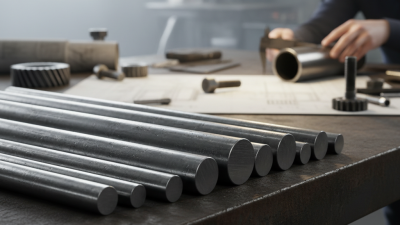
Choosing Hot Rolled Carbon Steel starts with the job, not the product label. A warehouse beam, trailer frame, and welded machine base do not face the same loads or fabrication demands. Hot rolling shapes steel at high temperatures, often leaving a dark mill scale and a less precise surface than cold-finished products. That may suit structural work, but it can complicate coating or close-tolerance assembly.

Metallurgist George Krauss is known for his work on steel processing, microstructure, and performance. A practical buyer’s rule, consistent with that engineering perspective, is: “Choose for the required properties, not the familiar label.” This is a guide’s summary, not a verified quotation from Krauss. Check the grade and applicable specification, then confirm strength, thickness tolerance, weldability, and surface condition against the actual drawings. Ask suppliers for test documentation, and clarify whether the quoted dimensions describe nominal or delivered material.

Details matter. A mill-scale plate can look sound while hiding surface conditions that affect paint preparation. A beam that meets a strength target may still be awkward to cut, lift, or weld on site. Small mismatch, real cost. Price matters too, but the lowest quote can become expensive after extra grinding, rejected parts, or schedule delays. No checklist removes every uncertainty. Buyers should review the application with qualified engineering and procurement staff, especially when loads, exposure, or fabrication methods remain unclear. The right choice is specific, and sometimes the first specification needs revisiting.
How to Choose Hot Rolled Carbon Steel?

Understand Hot Rolled Carbon Steel Grades and Standards

Hot-rolled carbon steel is not a single grade. The right specification depends on the part’s load, thickness, forming needs, and service environment. For sheet and strip, ASTM A1011/A1011M covers several carbon-steel categories, including commercial steel and structural steel grades. Check the exact grade and product form, not just the words “hot rolled.”

For plates and shapes, ASTM A36 is a common structural specification. It sets a minimum yield strength of 36 ksi for material up to 8 inches thick; thicker material has a lower specified minimum. For sheet, ASTM A1011 structural grades have their own requirements. Do not assume grade numbers from different standards are interchangeable. Details matter. A purchase order should name the governing standard, grade, thickness, and required mechanical properties. If forming or welding is important, confirm chemistry and suitability with the supplier; grade alone may not answer every shop-floor question.

Standardized specifications help buyers compare material across markets. World Steel Association’s World Steel in Figures 2024 reports global crude-steel production of 1,892.2 million tonnes in 2023. That scale makes precise specifications useful, but it does not mean every mill’s product behaves identically. Verify the test certificate and applicable standard edition. I would also check tolerances before cutting; that step is easy to overlook.
Define the Steel’s Intended Use and Service Conditions

Start with the part’s job, not the steel’s price. A support beam in a dry warehouse faces different demands from a trailer frame exposed to road spray and repeated vibration. Record the loads, how they act, and whether impact or fatigue is likely. Note operating temperatures and contact with water, chemicals, soil, or salt. Small details matter. Carbon steel can rust when its surface stays wet, so outdoor service may call for coating and maintenance. Consider fabrication as well: will the material be cut, bent, welded, or machined? Thick sections and tight bends can affect the practical choice.

Match those conditions to a documented grade and product form. Check the relevant standard and mill test certificate; “hot rolled” alone does not specify all the properties you need. Hot-rolled material often has a scaled surface and wider dimensional variation than cold-finished stock. Confirm thickness, flatness, and machining allowance against the drawing. Ask the fabricator about welding requirements for the grade and section thickness. Keep it practical. A detail teams sometimes miss is bend radius: a part may satisfy the load calculation but still be difficult to form. I would not treat the calculation as the whole answer. If service conditions remain uncertain, record your assumptions and ask a qualified engineer to review them before ordering.

Match Strength, Thickness, and Dimensions to Design Needs

How to Choose Hot Rolled Carbon Steel?

Match Strength, Thickness, and Dimensions to Design Needs

Start with the loads the part must carry, not with the highest strength listed on a chart. Check the design’s required yield strength, impact needs, and forming or welding requirements. Stronger steel is not automatically better; it may be harder to bend or machine. Small details matter. If the component carries changing loads, have a qualified engineer confirm the material choice and safety factors.

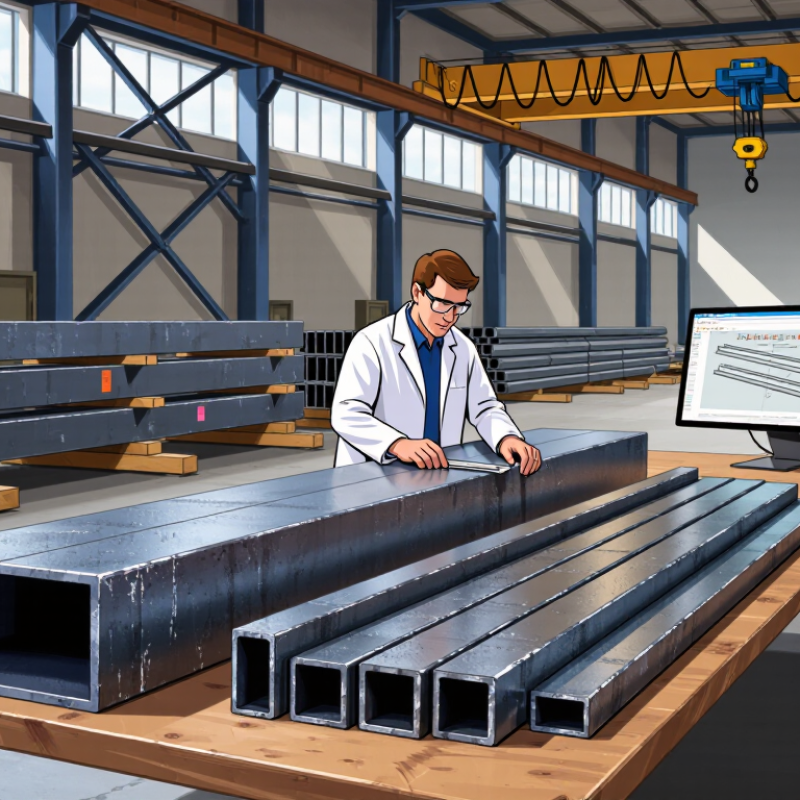
Thickness affects stiffness, weight, and fabrication. A thin plate may flex under a load, while extra thickness can add cost and make cutting or forming more difficult. Compare the specified thickness with the supplier’s tolerance, rather than treating the nominal figure as exact. Measure a delivered piece at several points. Hot rolling can leave mill scale and a less uniform surface, so allow for cleanup where fit or finish matters.

Dimensions need the same care. Confirm width, length, and cut allowances against the drawing, including room for trimming and weld preparation. For a frame, even a small mismatch can complicate assembly. Check whether the steel will be bent, drilled, or welded before ordering, since those steps can affect usable dimensions. A material certificate can help verify grade and properties, but it does not replace checking the actual piece. I would not rely on a catalog description alone; drawings and measurements sometimes tell a less tidy story.

Assess Surface Condition and Fabrication Requirements

Hot-rolled carbon steel often carries a dark, uneven mill scale. Scale is normal. Check whether it is firmly attached or flaking, since loose scale can interfere with paint, welding, or close-fitting parts. Look for deep pits, heavy rust, and dents, especially near edges and cut ends. A quick visual check helps, but it cannot confirm thickness or flatness across an entire plate. Use a thickness gauge or straightedge where those details matter.

Match the surface condition to the fabrication work. For a welded frame, modest scale may be acceptable, but remove coatings, oil, and loose debris from the joint area. For bending, inspect the intended bend line for pits and edge damage; defects there can become more noticeable after forming.

If the finished part needs a smooth coating, budget for grinding or blasting, and ask whether the supplied finish is suitable. Check the mill certificate and verify dimensions on delivery.

I would still test a sample when the bend radius or coating quality is critical. One missed defect can mean rework. Hot-rolled surfaces vary, so a sample may not represent every sheet or plate.

Verify Certifications, Quality Controls, and Delivery Terms

Ask the supplier for a material test certificate tied to the specific heat or production lot. Check that the grade, dimensions, and stated standard match your purchase specification. A certificate should report key chemical composition and mechanical properties, not just name a grade. Paperwork matters. Verify traceability by matching the heat number on the document to tags on the bundles. If the numbers do not match, pause before accepting the shipment.

Ask how quality controls are recorded, including dimensional checks, surface inspection, and any agreed testing. For example, confirm how thickness is measured and what tolerance applies. Delivery terms deserve the same attention as the steel itself. Clarify the named delivery point, freight responsibility, packaging, and expected dispatch date in writing. A quoted lead time may start only after order confirmation or production approval. Confirm what happens if bundles arrive wet, damaged, or short. I would leave time to review documents before dispatch; it is easy to overlook this when a project is already behind schedule. One small detail can become an expensive delay.

How to Choose Hot Rolled Carbon Steel? - Verify Certifications, Quality Controls, and Delivery Terms

Selection Area What to Verify Useful Evidence or Requirement Why It Matters
Steel grade and standard Confirm the exact grade, product form, and governing standard on the order and material documents. Examples include ASTM A36 for structural carbon steel plate and EN 10025-2 S235JR for hot-rolled structural products. Confirm the applicable edition and product requirements. Similar grade names are not automatically interchangeable; requirements can differ by standard and product form.
Material certification Request an inspection document appropriate to the purchase specification and confirm that it identifies the supplied material. An EN 10204 type 3.1 inspection certificate reports specific inspection results and is validated by the manufacturer's authorized inspection representative independent of the manufacturing department. A certificate helps document chemistry and mechanical test results; it should not be treated as proof unless it is traceable to the delivered material.
Heat and batch traceability Check that heat or cast numbers on the certificate match the bundle tags, plate markings, or other agreed identification. Require a traceability record linking each delivered item or bundle to its material certificate and inspection results. Traceability supports verification, receiving inspection, and investigation of any material nonconformance.
Chemical and mechanical properties Compare reported test results with the limits for the ordered grade, thickness range, and applicable standard. Review the certificate for reported chemical composition and required mechanical tests, such as yield strength, tensile strength, and elongation where specified. Property limits may vary with grade, thickness, and standard; use the governing specification rather than a generic value.
Quality management and inspection Review the supplier's quality system and agree on inspection, nonconformance, and corrective-action processes. An ISO 9001 certificate indicates a certified quality management system within its stated scope; it does not certify that each steel item meets a particular product standard. Separating system certification from product certification helps avoid relying on the wrong evidence.
Dimensions and tolerances Specify thickness, width, length, quantity, flatness, and dimensional tolerances in the purchase order. State the applicable dimensional standard or agreed tolerance schedule, along with the measurement method where needed. Hot-rolled products can have permitted dimensional variation; explicit requirements reduce receiving and fabrication disputes.
Surface condition and additional testing Define acceptable scale, rust, edge condition, and any special testing or processing required for the application. Record any agreed visual inspection, ultrasonic testing, edge preparation, or other supplementary requirement in the order; do not assume it is included by default. Hot-rolled steel commonly has mill scale, and special inspection or processing may require separate agreement.
Delivery schedule and shipping terms Confirm readiness date, dispatch date, estimated transit time, delivery location, and the named place or port for the agreed Incoterm. Identify the Incoterms® 2020 rule and named place or port in the contract. Confirm who arranges transport, insurance, export clearance, and import clearance as applicable to that rule. Clear delivery terms define responsibilities and help prevent misunderstandings about cost, risk, and transport arrangements.
Packing and shipping documents Agree on protection, lifting points, bundle identification, and the documents required before shipment. Specify suitable packing for the transport route and request agreed documents such as the packing list, material certificates, and transport document. Proper identification and packing reduce handling damage and make receiving checks more efficient.
Contract and acceptance terms Document the governing specification, inspection rights, delivery quantity tolerance, claims process, and acceptance criteria. Use a written purchase order that lists grade, standard, dimensions, tolerances, certification, quantity, delivery terms, and any agreed testing or inspection. A complete order gives both parties a clear basis for quality verification and delivery acceptance.