What is Stainless Steel Angle and Its Benefits for Buyers?
Stainless Steel Angle is a versatile material used in various construction and manufacturing applications. It features an L-shaped cross-section, providing strength and flexibility for different projects. Buyers appreciate its corrosion resistance, durability, and aesthetic appeal. This makes it a preferred choice for both indoor and outdoor use.
When considering Stainless Steel Angle, potential buyers should examine its numerous benefits carefully. Its strength-to-weight ratio is impressive, allowing for robust support structures without unnecessary bulk. However, it’s crucial to assess the specific needs of your project. Factors like load capacity and environmental conditions play significant roles in selecting the right product.
Many buyers may overlook the importance of quality. Not all Stainless Steel Angles are created equal. Sourcing from reputable suppliers can ensure that you receive a reliable product. Taking time to research and compare options can lead to better decisions and ultimately, successful outcomes.
What is Stainless Steel Angle?
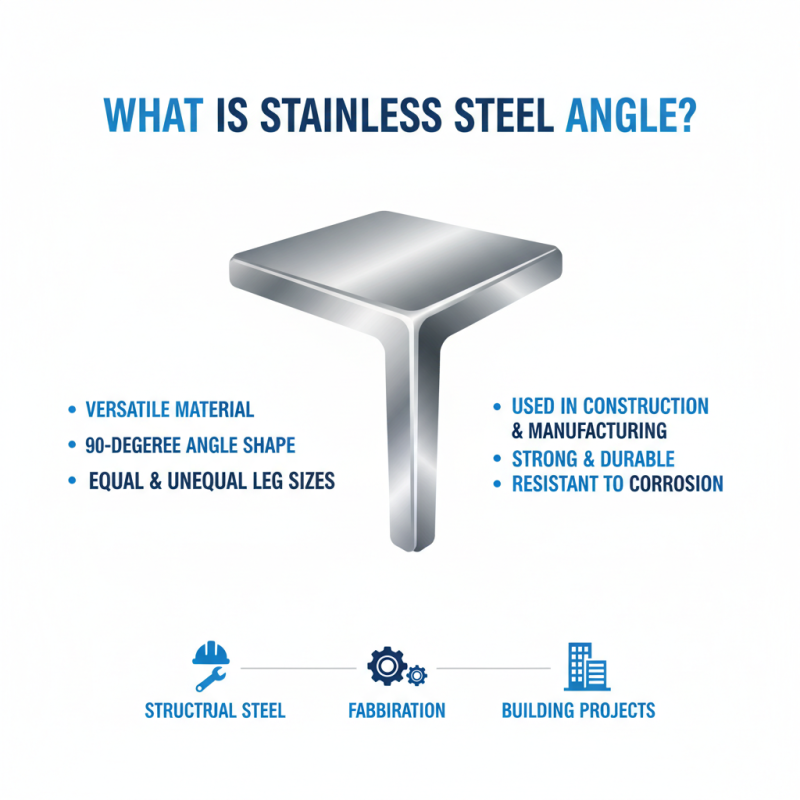
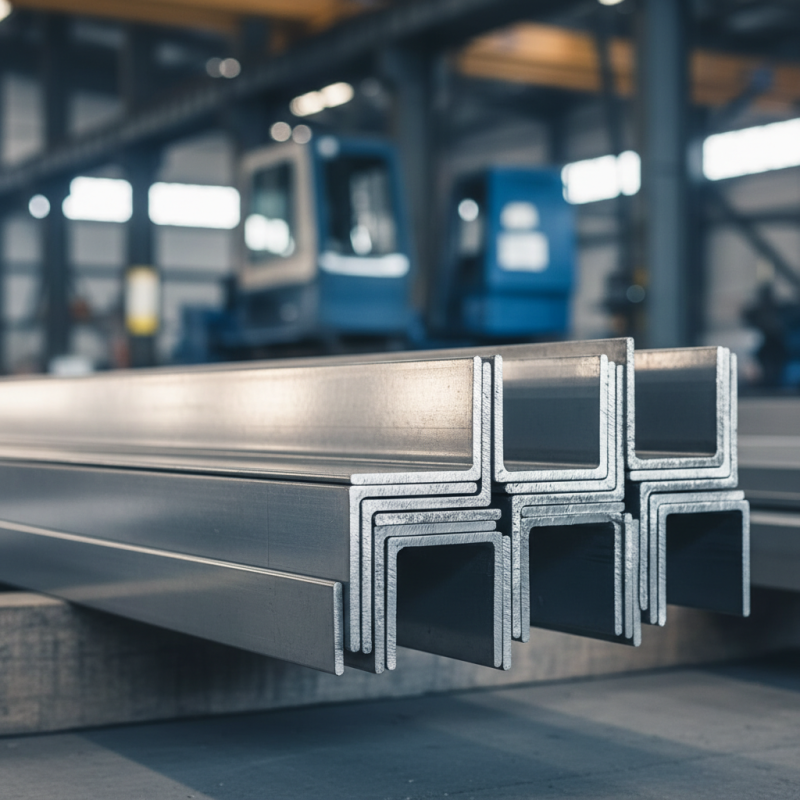
Stainless steel angle is a versatile material used in construction and manufacturing. It is a type of structural steel that has a 90-degree angle. Commonly, it is available in equal and unequal leg sizes. This flexibility makes it suitable for various applications. Builders and fabricators often prefer this material for its strength and durability.
One of the key benefits of stainless steel angle is its resistance to corrosion. It withstands exposure to harsh environments. This makes it ideal for outdoor structures and marine applications. Additionally, stainless steel requires low maintenance. It maintains its appearance, which is a plus for aesthetic designs.
**Tip:** When choosing stainless steel angle, consider the specific grade. Different grades have varying levels of corrosion resistance. Identify your project's needs to select the right one.
Another advantage is its ease of fabrication. Stainless steel angles can be readily cut, drilled, or shaped. This allows for quick adaptations on-site. However, the cost can be higher than regular steel. Weigh your options carefully.
**Tip:** Always measure accurately before purchasing. Mistakes can lead to waste and increased costs. Ensuring precision in measurements can save both time and money in the project.
Common Uses of Stainless Steel Angle in Construction
Stainless steel angles are vital in modern construction. They offer strength and durability. These angles are often used in structural applications due to their resistance to corrosion. According to industry reports, stainless steel's lifespan can exceed 50 years, making it a cost-effective choice over time.
In construction, stainless steel angles serve various purposes. They are used in frame supports, brackets, and reinforcements. A study by the American Institute of Steel Construction shows that stainless steel improves structural integrity, particularly in environments exposed to moisture. Moreover, stainless steel angles are lightweight yet strong, allowing for easier handling and installation.
While there are benefits, challenges exist. Stainless steel can be more expensive upfront than other materials. Some contractors hesitate to use it due to perceived complexities in welding. However, with proper training, these issues can be minimized. With continual advancements in technology, stainless steel angle applications are expected to expand, further enhancing the construction landscape.
Key Benefits of Using Stainless Steel Angle for Buyers
Stainless steel angle is a versatile material widely used in construction and manufacturing industries. Its strength and resistance to corrosion make it a preferred choice for various applications. According to the Global Stainless Steel Market Report, the demand for stainless steel products is growing at 5% annually, indicating its importance in modern industry.
One key benefit of stainless steel angle is its structural integrity. It can withstand heavy loads and stress without deforming. Studies show that its high tensile strength is about 579 MPa, which is significantly higher than many carbon steels. This makes it suitable for critical applications, such as in bridges and buildings where safety is paramount.
Another advantage is its low maintenance needs. Unlike other metals, stainless steel does not rust or corrode easily. This property helps reduce long-term costs for buyers. Initial expenses might be higher, but the durability often offsets these costs. However, some buyers still struggle with understanding the right grade for their specific needs. Selecting the best type of stainless steel angle requires expertise, as not all grades are the same. Educating oneself or consulting professionals can prevent costly mistakes down the line.
What is Stainless Steel Angle and Its Benefits for Buyers? - Key Benefits of Using Stainless Steel Angle for Buyers
| Benefit |
Description |
Application |
| Corrosion Resistance |
Stainless steel angles resist rust and corrosion, making them ideal for outdoor and humid applications. |
Construction, Marine, and Chemical Industries |
| Strength and Durability |
High strength-to-weight ratio ensuring long-lasting structural integrity. |
Support Structures, Frameworks |
| Versatility |
Available in various sizes and thicknesses, suitable for a wide range of applications. |
Manufacturing, Renovation, and Industrial Uses |
| Aesthetic Appeal |
Modern, sleek appearance suitable for visible structural applications. |
Architectural Designs, Railings, and Fixtures |
| Cost Efficiency |
Long-term savings due to low maintenance and replacement costs. |
Infrastructure, Commercial Projects |
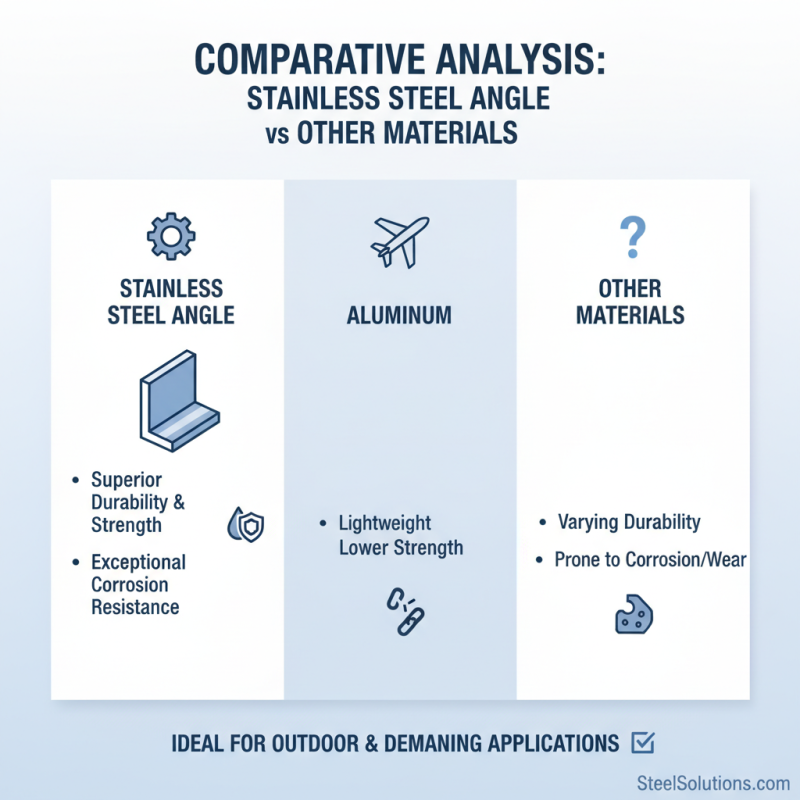
Comparative Analysis: Stainless Steel Angle vs. Other Materials
Stainless steel angle is gaining attention for its durability and versatility. When comparing it to other materials, the differences become more apparent. For instance, aluminum is lightweight but lacks the strength of stainless steel. In contrast, stainless steel angles offer superior resistance to corrosion, making them ideal for outdoor applications.
Wood might seem cost-effective initially, but it requires constant maintenance and can warp over time. Stainless steel, however, maintains its integrity, ensuring longevity. While alternatives may scratch easily, stainless steel angles resist wear. The upfront investment in stainless steel angles pays off through reduced maintenance costs and longer life span.
Choosing the right material is crucial. For heavy-duty use, stainless steel stands out. However, its initial cost may deter some buyers. Buyers should weigh long-term benefits. The decision may involve reflection on specific project needs and budgets. Ultimately, understanding the unique properties of each material aids in making informed decisions.
Factors to Consider When Purchasing Stainless Steel Angle
When purchasing stainless steel angle, several key factors should be considered to ensure the best choice for specific needs. First, the grade of stainless steel is crucial. Common grades include 304 and 316, with 316 offering enhanced corrosion resistance. According to the American Iron and Steel Institute (AISI), grade 304 is versatile but may not withstand harsh environments like saltwater. Buyers should evaluate their project's conditions before making a decision.
The dimensions and specifications of the angle are also important. Standard sizes vary, and some projects may require custom dimensions. A 2020 report by the Global Stainless Steel Market indicated that precise dimensions can reduce waste and improve cost efficiency. Ensure you have the correct measurements before ordering, as returns can be costly and time-consuming.
Tips: Always verify the supplier's certifications. Reliable suppliers will provide proof of material grade and properties. Consulting with professionals can save time and money in the long run. Also, consider the transportation costs related to the weight of stainless steel angles. Bulk orders may be beneficial but weigh the potential storage costs against your project's timeline. Keep in mind that even minor mistakes in measurement can lead to significant project delays.

 Angle Steel
 Channel Steel
 Universal Beam (l-Beam)
 H-Beam Steel
 Galvalume Steel Coil
 Galvalume Steel Sheet
 Galvanized Steel Sheet
 Color Coated Plate
 Stainless Steel Bar
 Stainless Steel Pipe
 Steel Bar
 Wire Rope
 Carbon Steel Pipe
 Carbon Steel Plate
 Aluminum Plate
 Aluminum Coil
 Aluminum Pipe
 Aluminum Bar
 Magnesium Ingot
 Fasteners