2026 Best Stainless Steel Angle Options for Your Projects?
When embarking on a project that necessitates structural integrity, the choice of materials is crucial. "Stainless Steel Angle" is favored for its durability and versatility. James Anderson, a renowned expert in the field, once stated, "Choosing the right stainless steel angle can define the success of your project." This underscores the importance of selecting materials that align with the specific requirements of your work.
Stainless steel angles are essential in various applications, from construction to manufacturing. They provide the strength and stability needed in frameworks and supports. With multiple grades and finishes available, it’s vital to understand their properties and benefits. A proper selection ensures longevity and resilience, making your project stand the test of time.
However, challenges remain. Not all stainless steel angles are created equal. Quality can vary across suppliers, and the cost may not reflect the performance. Some may overlook factors like corrosion resistance and structural specifications. Thus, a thorough examination of your options is necessary to avoid setbacks. The right choice can enhance your project; a poor one can lead to failures that are difficult to rectify.
Understanding Stainless Steel Angles: Types and Grades
Stainless steel angles are crucial in various construction projects. They provide stability and support in frameworks. Understanding the types and grades of stainless steel angles is vital for ensuring a successful build. There are different grades within the stainless steel family, such as 304 and 316. Each has unique properties suited for different environments.
Grade 304 offers excellent corrosion resistance in most conditions. However, it may not perform well in highly acidic settings. On the other hand, grade 316 contains molybdenum, increasing its durability in corrosive environments. This makes it ideal for marine applications. Crafting an informed choice between these grades ensures the longevity of your project.
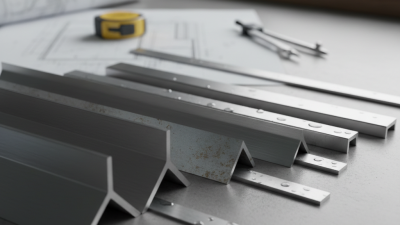
The shapes of stainless steel angles also vary. Equal angles and unequal angles are common configurations. Equal angles have both legs of the same length, offering balanced support. Unequal angles can adapt to specific design needs, providing flexibility. Understanding these variations can dramatically impact your project’s success. Failure to consider these aspects may lead to complications down the line. Always reflect on your requirements before making a decision.
2026 Best Stainless Steel Angle Options for Your Projects
Key Features to Consider When Choosing Stainless Steel Angles
When selecting stainless steel angles for your projects, several key features come into play. First, consider the grade of stainless steel. Common grades include 304 and 316, each offering varying levels of corrosion resistance and strength. Choosing the right grade is essential for determining the longevity of your project.
Next, look at the dimensions of the angles. The thickness and width will impact the overall strength and suitability for your application. If you’re unsure about the required dimensions, consult with an engineer or experienced professional. They can provide valuable insights into what will work best for your needs.
**Tips:** Always check the specifications rigorously. Ensure the angles meet your project requirements. Testing a sample piece might be a good idea. This step can help avoid future complications.
Also, consider the finish of the stainless steel. A polished finish may look appealing, but it can be less durable in harsh environments. Reflect on the conditions the material will face. Sometimes, a brushed finish may be a better choice for industrial projects.
Selecting the right stainless steel angles isn’t just about aesthetics. Reflecting on your project’s specific needs is crucial. Don’t rush this decision; it can save time and resources in the long run.
Top Manufacturers of Stainless Steel Angles in 2026
When exploring the top manufacturers of stainless steel angles in 2026, it’s important to consider various factors. The global stainless steel market is projected to grow substantially, reaching approximately $140 billion by 2026. This growth is driven by the rising demand in construction and automotive industries. Top manufacturers focus on high-quality production methods to meet industry standards.
The production of stainless steel angles involves complex processes, ensuring robustness and durability. Many manufacturers are investing in advanced technologies. Reports indicate that companies utilizing modern machinery see up to a 30% increase in efficiency. However, there are challenges. Issues like raw material fluctuations can impact pricing. A lack of skilled labor in some regions increases production costs and influences supply chains.
The market also emphasizes sustainability. Many leading manufacturers are adopting eco-friendly practices. Yet, there is often a gap between intention and implementation. Ensuring consistent supply while maintaining quality remains a work in progress for many. Keeping these factors in mind can help buyers make informed decisions in selecting stainless steel angles for their projects.
2026 Best Stainless Steel Angle Options for Your Projects
| Angle Size (inches) |
Material Grade |
Finish Type |
Weight (lbs/ft) |
Application |
| 2 x 2 |
304 |
Polished |
2.66 |
Structural Support |
| 3 x 3 |
316 |
Brushed |
3.60 |
Marine Applications |
| 4 x 4 |
409 |
Mill Finish |
5.11 |
Warehouse Racking |
| 2 x 1.5 |
304 |
Polished |
1.70 |
Decorative Structures |
| 3 x 2 |
316 |
Brushed |
2.90 |
Industrial Use |
Applications of Stainless Steel Angles in Various Industries
Stainless steel angles are versatile components, widely utilized across various industries. Their strength and resistance to corrosion make them ideal for construction. In structural frameworks, stainless steel angles provide vital support in beams and columns, ensuring stability in buildings and bridges. Industries often rely on these angles to maintain safety and durability.
In manufacturing, stainless steel angles find applications in equipment and machinery. They are crucial in assembly lines, offering reliable support for heavy loads. In the food industry, stainless steel angles are preferred for their hygienic properties. They resist rust and contamination effectively, keeping production safe.
Despite their many benefits, selection can be tricky. Not all stainless steel grades are suitable for every application. It is essential to consider the specific environment and loading conditions. Some projects may require specialized treatments or finishes. Understanding these nuances can lead to better outcomes.
Maintenance and Care for Stainless Steel Angles in Projects
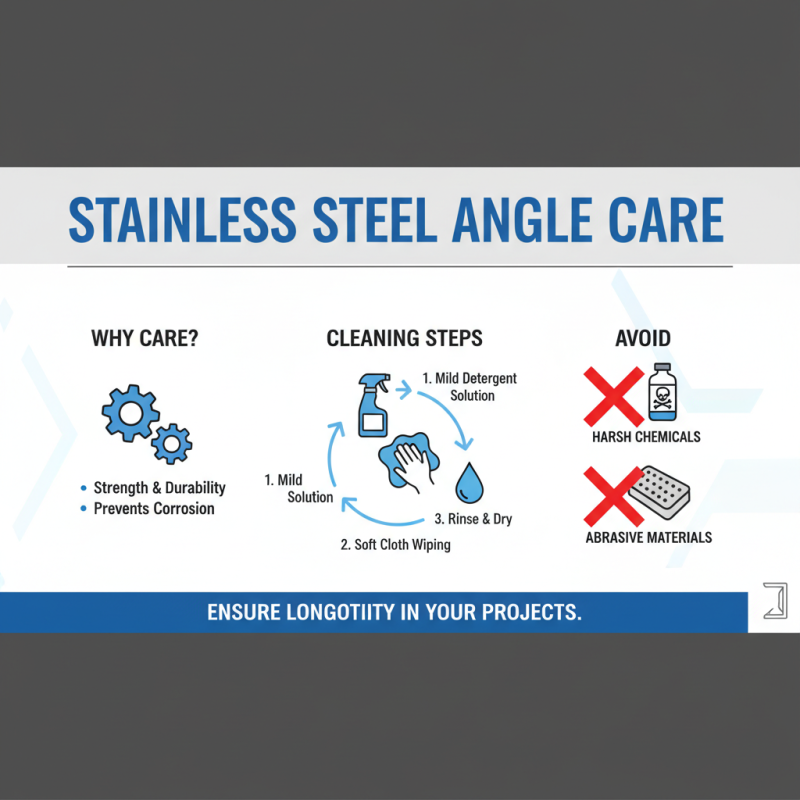
Stainless steel angles are popular for construction and manufacturing projects due to their strength and durability. However, maintaining these materials is crucial to ensure longevity. Regular cleaning helps prevent corrosion. Use soft cloths and mild detergents for best results. Avoid harsh chemicals that could damage the finish.
Inspecting the angles for signs of wear is also key. Look for scratches or dents that could lead to rust. If you notice any issues, consider a polishing method to restore the metal’s shine. Remember, maintenance isn’t just about looks; it’s also about protecting the integrity of the material.
Some factors may affect your maintenance routine. For instance, the environment can play a significant role. Potential factors include humidity, pollution, and salt exposure. Each factor might require a tailored approach to care. It’s essential to continually reflect on your maintenance practices to enhance the life of your stainless steel angles.

 Angle Steel
 Channel Steel
 Universal Beam (l-Beam)
 H-Beam Steel
 Galvalume Steel Coil
 Galvalume Steel Sheet
 Galvanized Steel Sheet
 Color Coated Plate
 Stainless Steel Bar
 Stainless Steel Pipe
 Steel Bar
 Wire Rope
 Carbon Steel Pipe
 Carbon Steel Plate
 Aluminum Plate
 Aluminum Coil
 Aluminum Pipe
 Aluminum Bar
 Magnesium Ingot
 Fasteners