Top Tips for Sourcing Quality Carbon Steel Wire Today?
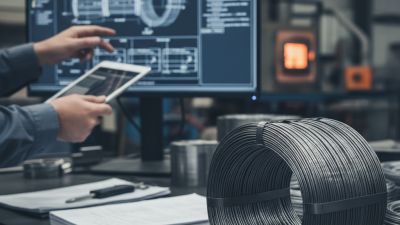
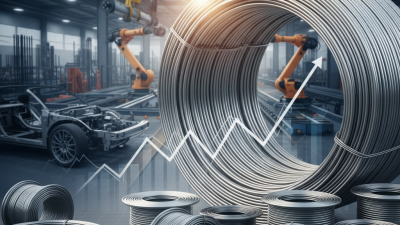
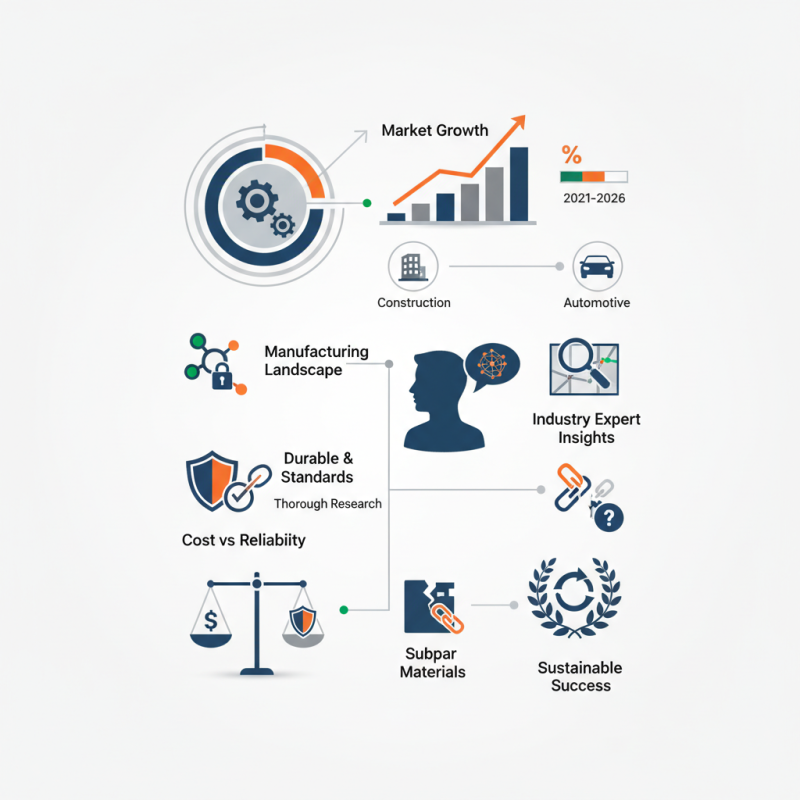
In today's competitive manufacturing landscape, sourcing quality Carbon Steel Wire has become more crucial than ever. According to the latest report by TechNavio, the global carbon steel wire market is expected to grow at a compound annual growth rate (CAGR) of over 4% from 2021 to 2026. This upward trend showcases the increasing demand for durable and versatile materials in various industries, such as construction and automotive.
Industry expert Dr. James Sullivan emphasizes the importance of quality in this sector, stating, "Using high-grade Carbon Steel Wire can significantly improve the product’s longevity and performance." His insights point to the need for thorough research and understanding the market dynamics before making sourcing decisions. However, not all suppliers meet the quality standards necessary for optimal performance.
Navigating the complexities of the Carbon Steel Wire market requires an informed approach. It involves assessing supplier credentials, production processes, and quality certifications. Without careful consideration, businesses risk choosing subpar materials that can lead to costly failures. As the demand for high-quality wire rises, it’s essential to balance cost with reliability to achieve sustainable success.
Understanding Carbon Steel Wire and Its Applications
Carbon steel wire is a versatile material used in various industries, from manufacturing to construction. Its strong tensile properties make it ideal for applications like fencing, automotive components, and industrial machinery. Understanding its characteristics helps in making informed sourcing decisions.
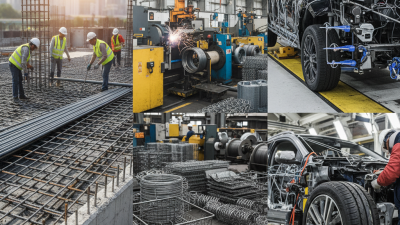
Applications of carbon steel wire vary widely. In construction, it is used for reinforcement in concrete. The wire's strength and ductility ensure structures can withstand stress and strain. In the automotive sector, it supports components that require both durability and resilience. However, sourcing quality carbon steel wire can be challenging. Factors such as wire diameter, carbon content, and heat treatment processes influence its overall quality.
Choosing the right carbon steel wire involves meticulous evaluation. Look for suppliers with a solid reputation. Verify their quality assurance processes. Make sure they provide specifications that meet your requirements. Quality checks are vital, as improper sourcing can lead to project failures and increased costs. Keep in mind that the cheapest option is not always the best.
Carbon Steel Wire Applications and Usage Statistics
Identifying the Key Quality Indicators for Carbon Steel Wire
When sourcing quality carbon steel wire, it's essential to focus on specific quality indicators. Key parameters include tensile strength, elongation, and surface finish. A report by the International Steel Association highlights that tensile strength directly affects wire durability and performance. It commonly ranges from 400 to 1300 MPa for various applications.
Elongation measures how much the wire can stretch before breaking. This metric is crucial for applications in construction and manufacturing. The industry standard is often set around 10% to 30%, depending on the grade. Yet, many manufacturers do not adhere to these standards. Hence, it’s vital to verify specifications with trusted suppliers.
Surface finish also plays a significant role. A poor finish can lead to rust and impact the wire's lifespan. Micro-level inspections can reveal defects often overlooked. Research indicates that a clean, smooth surface can enhance overall wire performance significantly. While these indicators provide a solid basis for selection, some companies may prioritize low cost over quality. Always assess trade-offs carefully, as poor quality can lead to costly failures later on.
Top Tips for Sourcing Quality Carbon Steel Wire Today
| Quality Indicator |
Description |
Importance Level |
Recommended Standard |
| Tensile Strength |
The maximum stress that the wire can withstand while being stretched or pulled. |
High |
≥ 600 MPa |
| Diameter Consistency |
Uniformity of the wire diameter to ensure quality performance. |
Medium |
± 0.01 mm |
| Surface Finish |
Quality of the surface treatment to reduce defects and corrosion. |
High |
Bright finish, no visible rust or scale |
| Elongation |
Ability of the wire to stretch before breaking. |
Medium |
≥ 10% |
| Chemical Composition |
Proportions of elements such as carbon, manganese, etc. that influence properties. |
High |
Compliant with ASTM A228 |
Researching Reputable Suppliers of Carbon Steel Wire
When sourcing carbon steel wire, identifying reputable suppliers is crucial. Start by researching online directories and industry forums where professionals exchange insights. Look for reviews and ratings about various suppliers. Pay attention to feedback regarding quality and customer service. This will help you gauge which suppliers are trustworthy.
Tip: Verify the supplier's certification. Quality assurance from industry standards can be a strong indicator of reliability. Ask for samples before committing, as the real-world performance of a product matters significantly. If the supplier hesitates, consider it a red flag.
Additionally, understanding the supplier’s production process can reveal a lot. Do they use modern techniques? Are they transparent about their materials? Engaging with suppliers and asking questions shows your interest and seriousness. Seek out those who are willing to share information. This fosters a sense of trust, making it easier for you to build a long-term relationship.
Evaluating Pricing and Terms for Carbon Steel Wire Purchases
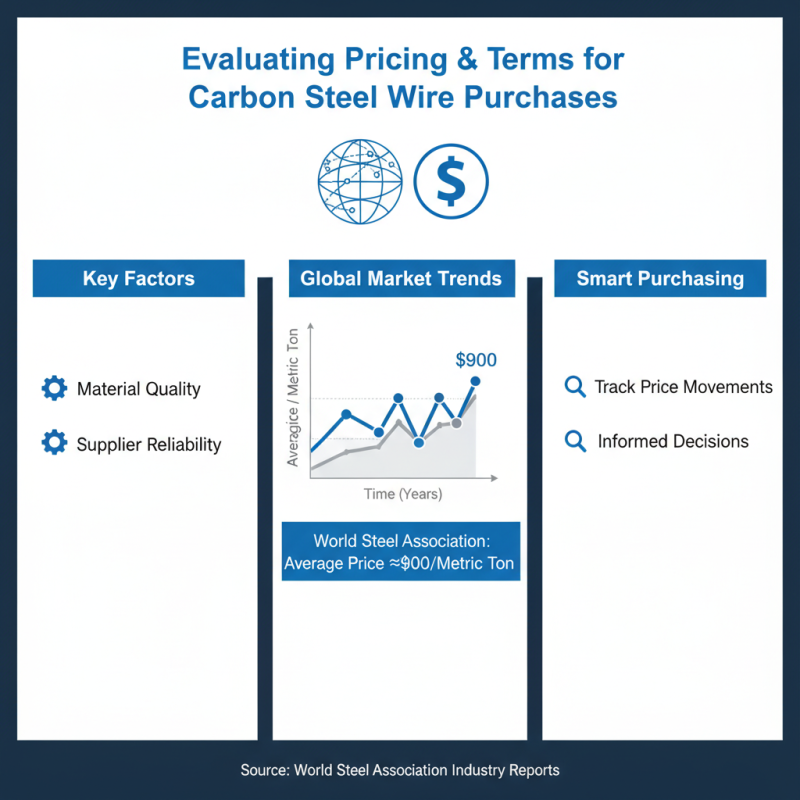
When sourcing carbon steel wire, evaluating pricing and terms is essential. Industry reports indicate that material costs can vary significantly based on quality and supplier reliability. According to the World Steel Association, the average price of carbon steel wire has seen fluctuations, with recent figures averaging around $900 per metric ton. Understanding these price movements can inform better purchasing decisions.
Buyers should compare quotes from multiple suppliers. This not only provides a clearer picture of the market but also highlights any discrepancies. A recent survey revealed that 40% of purchasers found substantial differences in pricing, even among reputable suppliers. When negotiating terms, consider payment options and delivery schedules. Flexible terms can provide a competitive edge and better cash flow management.
Also, be cautious about the lowest bids. Sometimes, lower prices come with quality compromises. A study from the International Journal of Materials Science suggests that materials not meeting industry specifications may lead to failures in applications. Evaluating the balance between cost and quality ensures sustainable sourcing practices in the long run.
Best Practices for Testing and Inspecting Carbon Steel Wire Quality
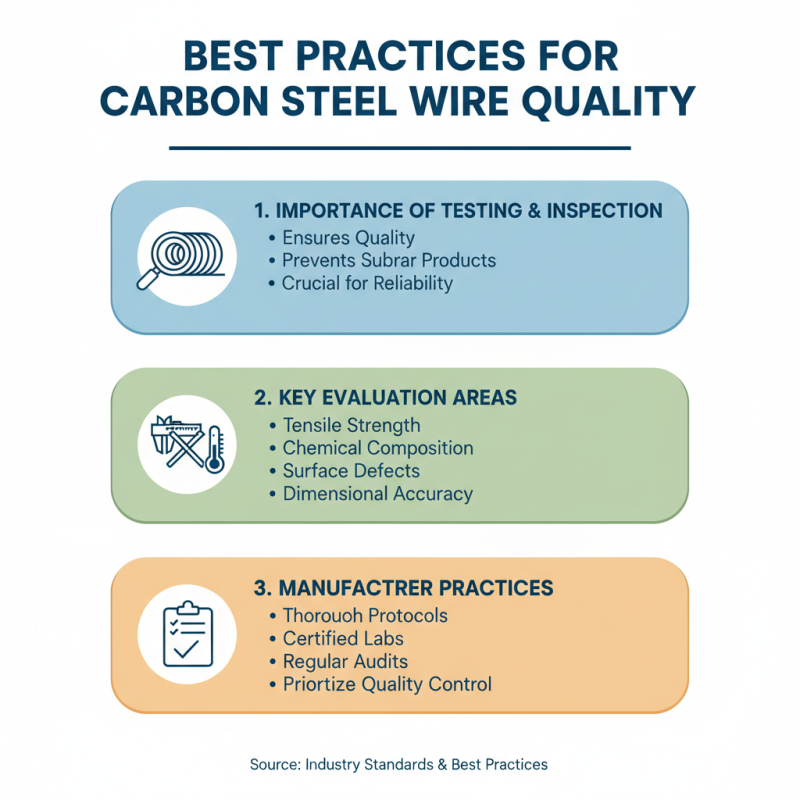
When sourcing quality carbon steel wire, testing and inspection play crucial roles. Often, manufacturers may overlook thorough evaluations, leading to subpar products. It's essential to prioritize these practices for better outcomes.
Testing begins with checking mechanical properties. The tensile strength and hardness need verification. These metrics determine the wire's suitability for specific applications. If the results fall short, reconsider your supplier's materials. Always ask for detailed reports on these tests.
Visual inspections are equally important. Look for surface defects, such as pits or uneven coatings. These flaws can affect performance, especially in demanding environments. Using magnification tools can help identify small issues that may impact the wire’s integrity.
Another tip is to conduct a bend test. This simple yet effective method reveals how the wire behaves under stress. If the wire breaks or doesn’t return to its original shape, it signals potential failure in applications. Remember, the right quality standards can save time and money in the long run.

 Angle Steel
 Channel Steel
 Universal Beam (l-Beam)
 H-Beam Steel
 Galvalume Steel Coil
 Galvalume Steel Sheet
 Galvanized Steel Sheet
 Color Coated Plate
 Stainless Steel Bar
 Stainless Steel Pipe
 Steel Bar
 Wire Rope
 Carbon Steel Pipe
 Carbon Steel Plate
 Aluminum Plate
 Aluminum Coil
 Aluminum Pipe
 Aluminum Bar
 Magnesium Ingot
 Fasteners