2026 Best Carbon Steel Wire Mesh for Global Buyers?
As the demand for durable construction materials continues to rise, Carbon Steel Wire Mesh emerges as a key player in various industries. This versatile product is known for its strength, flexibility, and affordability, making it an ideal choice for construction, agriculture, and manufacturing. Global buyers look for the best options, focusing on quality and performance in their selections.
The 2026 Carbon Steel Wire Mesh market presents a unique landscape. Emerging trends, innovations, and sustainability considerations influence buyer preferences. Manufacturers are exploring advanced techniques to improve the durability and resistance of wire mesh. Some products may not live up to expectations. It is essential to evaluate performance and reviews thoroughly before making purchasing decisions.
Buyers need to be aware of different specifications and standards while selecting Carbon Steel Wire Mesh. Quality assurance and testing play significant roles in determining reliability. Engaging with suppliers who uphold strict quality checks can help mitigate risks. Reflecting on past purchases can guide future choices, leading to more informed and satisfying outcomes.
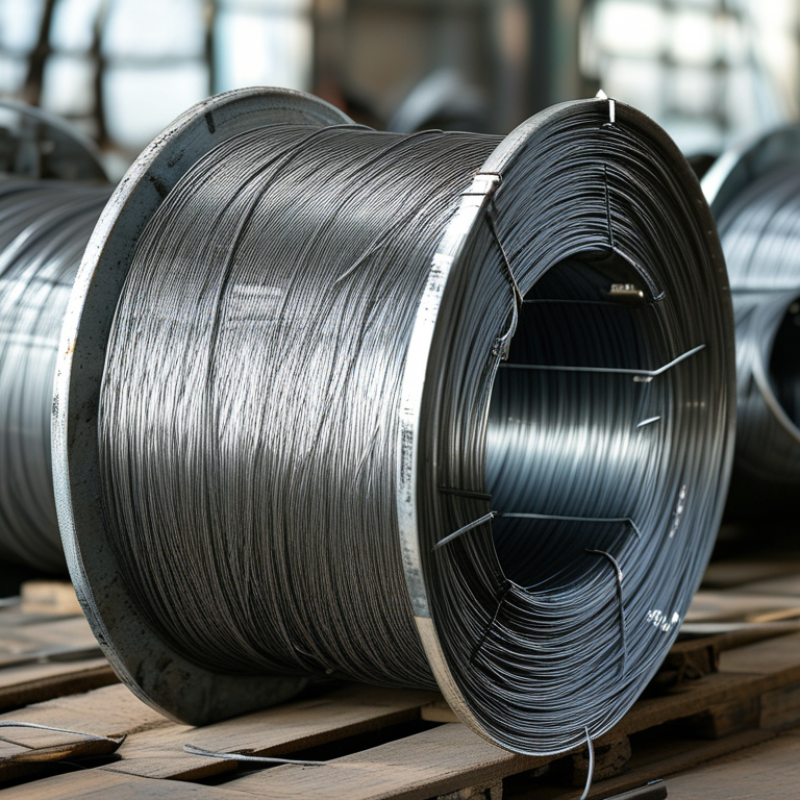
Understanding Carbon Steel Wire Mesh: Properties and Types
Carbon steel wire mesh has diverse properties, making it a popular choice across various industries. Its strength and durability are standout features. Carbon content typically ranges from 0.05% to 2.0%. This determines the hardness and flexibility of the mesh. According to a market analysis, the global carbon steel wire mesh industry grew at a rate of 4.2% in 2022. This growth indicates a rising demand for efficient construction and filtration applications.
There are various types of carbon steel wire mesh, tailored for specific needs. Welded mesh offers uniform openings and excellent strength, ideal for industrial applications. Meanwhile, woven wire mesh provides flexibility in design but may lack some of the rigidity found in welded options. The International Steel Trade Association reports that the construction sector accounts for approximately 50% of carbon steel wire mesh consumption. This highlights its critical role in building and infrastructure.
Despite its advantages, carbon steel wire mesh has limitations. It can corrode when exposed to harsh environments, leading to reduced lifespan. Many projects require protective coatings to mitigate this issue. Understanding these factors is vital for making informed decisions. Buyers must consider both the strengths and weaknesses in their applications.
Applications of Carbon Steel Wire Mesh in Various Industries
Carbon steel wire mesh is becoming increasingly significant across various industries due to its unique properties and applications. It is widely used in construction for reinforcement, providing support to concrete structures. According to a report by the International Journal of Engineering, carbon steel wire mesh increases tensile strength by up to 60%. This makes it essential for creating durable frameworks.
In the manufacturing sector, carbon steel wire mesh plays a crucial role in filtration processes. Industries like food and beverage utilize it for sieving and sorting. Its resistance to corrosion and ability to withstand high temperatures ensures efficiency and safety in production lines. Research indicates that carbon steel wire mesh can significantly reduce material waste, promoting cost-effectiveness.
Despite its many advantages, challenges exist. Users often face issues with mesh flexibility and potential rusting if not properly treated. These factors can impact longevity and performance. Maintenance is key to maximizing the benefits of carbon steel wire mesh. Therefore, understanding these aspects is critical for buyers aiming for sustainable and efficient solutions in their projects.
Applications of Carbon Steel Wire Mesh in Various Industries
Key Factors to Consider When Selecting Carbon Steel Wire Mesh
When selecting carbon steel wire mesh, several key factors should guide your decision. First, consider the wire diameter. Thicker wires offer greater strength but may be less flexible. A mesh with smaller openings provides better filtration but can reduce airflow. Think about what your primary application requires.
Tips: Always check the tensile strength specifications. This information reveals how much weight the mesh can handle without deforming.
Next, evaluate the corrosion resistance of the wire mesh. Exposure to moisture can lead to rust and deterioration. Look for meshes that offer protective coatings or treatments. These can extend the lifespan of the product considerably.
Tips: Ask suppliers about their durability tests. This can give you insight into the product's longevity and reliability in real-world applications.
Lastly, consider the type of weave. Different weaves affect flexibility and structure. Some applications may require tighter weaves for added strength. Others may benefit from looser weaves for better airflow. Research various weave types to find the best fit for your needs.
Tips: Experiment with samples before committing to a large order. This helps in assessing the right mesh for your specific application.
2026 Best Carbon Steel Wire Mesh for Global Buyers
| Specification |
Purpose |
Wire Diameter (mm) |
Mesh Size (inches) |
Tensile Strength (MPa) |
Corrosion Resistance |
| AISI 1010 |
Construction |
1.2 |
1/2" |
400 |
Moderate |
| AISI 1020 |
Agriculture |
1.5 |
3/4" |
600 |
Good |
| AISI 1045 |
Industrial |
2.0 |
1" |
700 |
Low |
| AISI 1080 |
Security Fencing |
1.8 |
1-1/4" |
800 |
Very Low |
| AISI 1095 |
Machinery |
2.5 |
1-1/2" |
900 |
Very Low |
Top Global Manufacturers of Carbon Steel Wire Mesh in 2026
Carbon steel wire mesh continues to gain traction globally in 2026. This versatile material is essential across various industries, from construction to agriculture. Its strength and durability make it a suitable choice for various applications. Many manufacturers are investing in innovative technologies to improve mesh quality.
The top global manufacturers are focusing on sustainability. They are implementing environmentally-friendly practices. This approach not only reduces their carbon footprint but also appeals to eco-conscious buyers. Market demand is pushing manufacturers to prioritize reliability. Ensuring that materials meet safety standards is a critical part of production.
Despite advancements, challenges remain. Quality control can be inconsistent during mass production. Manufacturers must continuously evaluate their processes to identify weaknesses. The global landscape is competitive, and only those who adapt will thrive. As buyers seek the best options, manufacturers must rise to the occasion, reflecting a commitment to excellence.
Market Trends and Innovations in Carbon Steel Wire Mesh Production
The carbon steel wire mesh market is evolving rapidly. Innovations in production techniques are changing how manufacturers operate. For instance, automated processes are enhancing efficiency. With technology advancements, quality control has improved significantly. This leads to more durable and reliable products for consumers.
Sustainability is another crucial trend. Many companies are now focusing on eco-friendly practices. This includes sourcing raw materials responsibly. The aim is to reduce the carbon footprint. However, challenges remain in balancing costs with sustainable practices. Not all firms have adopted these changes yet. The industry needs time and reflection to implement these strategies fully.
Customization is gaining popularity among buyers. Companies are now offering tailored solutions to meet specific needs. This flexibility can be beneficial, yet it poses operational challenges. Some producers may struggle to keep up with demand. As the market grows, finding the right balance will be essential. This environment prompts innovative thinking but also necessitates ongoing improvement.

 Angle Steel
 Channel Steel
 Universal Beam (l-Beam)
 H-Beam Steel
 Galvalume Steel Coil
 Galvalume Steel Sheet
 Galvanized Steel Sheet
 Color Coated Plate
 Stainless Steel Bar
 Stainless Steel Pipe
 Steel Bar
 Wire Rope
 Carbon Steel Pipe
 Carbon Steel Plate
 Aluminum Plate
 Aluminum Coil
 Aluminum Pipe
 Aluminum Bar
 Magnesium Ingot
 Fasteners