
Buying Cold Rolled Steel globally is not a simple price exercise. It requires careful checks on grade, thickness, surface finish, tolerances, packaging, and delivery terms. A coil that looks inexpensive may carry hidden costs through reprocessing, port storage, or inconsistent quality.
The World Steel Association’s October 2024 Short Range Outlook projected global steel demand at approximately 1.77 billion tonnes in 2025. This scale shows the market’s depth, but also its complexity. The OECD’s recent steel market analysis has highlighted continuing capacity expansion and trade pressure. Buyers should therefore compare offers against verified mill certificates, inspection records, production origin, and realistic freight costs. Check every detail.
Edwin Basson, Director General of worldsteel, has described steel as “a permanent material.” That principle matters when evaluating Cold Rolled Steel for automotive parts, appliances, construction components, and precision fabrication. Ask whether the supplier can maintain the same chemistry, flatness, and surface quality across repeated shipments. Request samples before placing a large order. Confirm Incoterms, payment safeguards, lead times, and insurance responsibilities in writing.
The difficult truth is simple: the lowest quotation may become the highest final cost. A buyer may also overlook local certification, import duties, or changing customs requirements. No spreadsheet removes that risk. Reliable sourcing combines technical judgment, supplier audits, third-party inspection, and transparent documentation. This guide explains how to assess suppliers, compare landed costs, and build a more dependable Cold Rolled Steel purchasing strategy. Mistakes still happen, even with experienced teams. The goal is to make them visible earlier.
Buying cold rolled steel globally starts with a clear grade definition, not a broad request for “standard sheet.” Identify chemical limits, yield strength, tensile strength, elongation, and surface class. Common choices include low-carbon drawing grades, structural grades, and higher-strength varieties. The right grade depends on forming depth, welding, bending, and final load. A stamping line may need deep-drawing performance. A cabinet panel may prioritize surface appearance and dimensional stability. Ask for the applicable standard and its exact edition. Standards can differ by region. This detail is easy to miss.
Specify the supply form before requesting prices.
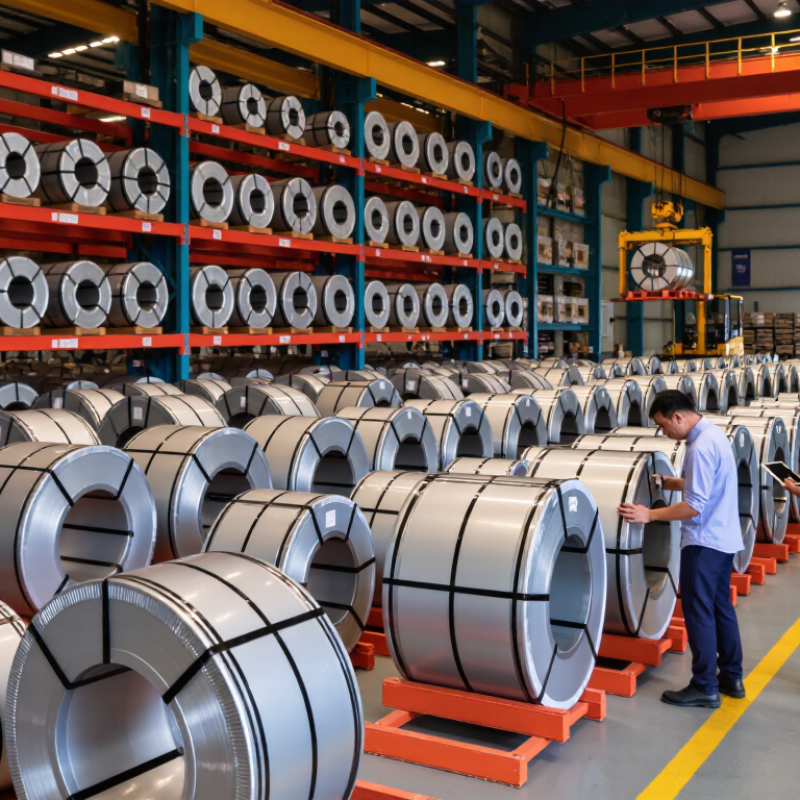
Cold rolled steel may arrive as coils, slit strips, sheets, or cut blanks. State thickness, width, length, coil inner diameter, maximum outer diameter, and unit weight. Include edge condition, flatness, camber, burr limits, and oiling requirements. Surface finish needs practical language. “Clean” is not enough. Define roughness, protective oil, inspection lighting, and acceptable marks. Small packaging assumptions can create large unloading problems. Confirm whether the buyer’s equipment can safely handle the proposed coil weight.
End-use requirements should control every technical choice. For visible appliance panels, request consistent texture and tight flatness. For roll forming, check yield behavior and springback. For welded parts, confirm chemistry and weldability. Require mill test certificates, dimensional reports, surface inspection records, and sample approval before mass production. Independent testing may add cost, but it can expose mismatched data early. Leave room for review. A specification may still omit humidity protection, stacking limits, or transit damage procedures. Ask suppliers to mark each coil clearly and share photos before dispatch. Not glamorous, but useful.
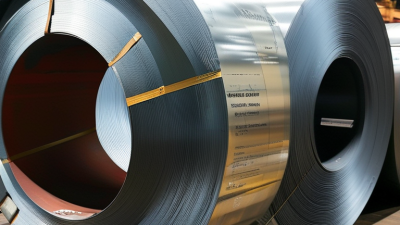
How to Buy Cold Rolled Steel for Global Sourcing?
Global sourcing begins with a precise specification, not a low quotation. The World Steel Association reported 1.89 billion tonnes of crude steel production in 2023. That scale creates supplier choice, but also quality variation. Define the grade, yield strength, tensile strength, elongation, and chemical limits. State the testing standard and inspection method. A certificate alone is not enough.
Dimensional control must cover thickness, width, length, flatness, and edge condition. Add tolerances in millimeters, not vague terms like “commercial accuracy.” For surface quality, specify finish, roughness, oiling, scratches, pits, stains, and allowable coil marks. Request sample photos and a retained reference sample. Surface disputes are common. A bright sheet may still fail forming or painting requirements. Compliance should include the applicable ASTM, EN, JIS, or ISO standard, plus restricted-substance documentation where required. OECD steel market reports continue to highlight excess capacity risks, so unusually cheap offers deserve closer verification.
Tips: Build a one-page purchase specification. Require heat numbers, inspection records, and traceability from coil to shipment. Use independent pre-shipment inspection for new suppliers. Leave no tolerance undocumented. That mistake is expensive. I would also review the specification after the first production run. Real performance can expose assumptions that looked reasonable on paper.
Buying cold rolled steel globally requires more than comparing a quoted price. According to World Steel Association’s World Steel in Figures 2024, global crude steel production reached 1,892.2 million tonnes in 2023. This scale creates choice, but also inconsistency. Request each supplier’s monthly cold rolling capacity, mill location, minimum order quantity, and lead-time records. Ask for recent production evidence, not only website claims. A factory with advanced equipment may still struggle during peak export seasons.
Certification checks should match the intended application. ISO 9001 can indicate a controlled quality system, while ISO 14001 supports environmental management. The ISO Survey 2022 recorded more than 1.2 million ISO 9001 certificates worldwide, so certification alone cannot prove product quality. Review the certificate scope, issuing body, expiry date, and covered production site. Request EN 10204 3.1 inspection certificates, chemical analysis, tensile results, thickness tolerance, surface finish, and coil weight. Confirm whether testing is performed internally or by an independent laboratory.
In practice, I would compare three trial coils before signing a long-term contract. Check edge cracks, oil marks, flatness, and packaging damage after simulated handling. Suppliers should explain their corrective-action process when results fail. This is where many sourcing plans remain weak. A low price can hide unstable gauge control or delayed replacement material. I would also verify export experience, production capacity during the requested month, and traceability from heat number to final coil. Reports and certificates support trust, but physical verification still matters.
How to Buy Cold Rolled Steel for Global Sourcing?
A low mill quotation can hide expensive details. Compare the same grade, thickness, width, tolerances, coil weight, surface finish, and packing standard. Request prices per metric ton, not only per coil. Then add inland transport, port charges, insurance, inspection, duties, demurrage, and currency costs. UNCTAD’s Review of Maritime Transport 2024 states that ships carry over 80% of global merchandise trade by volume. Freight volatility can quickly change the delivered cost.
Trade terms also change the risk. FOB may suit buyers with strong freight control, while CIF offers easier budgeting but less carrier visibility. Check Incoterms 2020 responsibilities, title transfer, damage risk, and documentation duties. Payment conditions deserve equal attention. Compare deposits, letters of credit, documentary collection, and open-account terms. The Asian Development Bank estimated the global trade finance gap at about 2.5 trillion dollars in its 2023 survey. Financing terms can matter more than a small price discount.
Tips: Build one landed-cost sheet for every supplier. Show freight, port fees, duty assumptions, bank charges, and payment timing. Ask for a validity period because steel and shipping prices move. I have seen buyers accept the cheapest quote, then discover unsuitable packing and higher inland costs. A perfect spreadsheet can still mislead. Recheck the steel certificate, inspection scope, and claim procedure before payment. Small omissions become costly.
Quotation comparison by Incoterm, total landed cost, and payment-financing impact
Scenario benchmark for 1 metric ton of cold rolled steel delivered to a European port. Costs are shown in USD/MT and use a 5% import-duty assumption, 45 USD/MT ocean freight and insurance, and an estimated 8% annual financing cost. Actual landed cost depends on origin, HS classification, freight market conditions, exchange rates, and agreed payment terms.
How to Buy Cold Rolled Steel for Global Sourcing?
Arrange sampling before discussing large-volume production. Specify grade, thickness, width, surface finish, edge condition, and tolerance. Request a sample from the proposed production route, not only a polished warehouse piece. Label each sample with its coil number, date, and measured dimensions. A first sample can look right and still fail during forming.
Use a written inspection plan. Check thickness at several points, width, flatness, surface scratches, oiling, and coil weight. Review the mill test certificate against the agreed chemical and mechanical requirements. Independent inspection can verify measurements before loading. Take clear photographs of coil markings, packaging, and any dents. Small defects become expensive after arrival. I have seen teams rely too heavily on certificates and miss damaged edges. That mistake deserves review.
Shipping preparation needs equal attention. Use moisture-resistant wrapping, desiccants, strong steel straps, and suitable dunnage. Confirm container weight distribution and protect coils from seawater exposure. The document set should include a commercial invoice, packing list, bill of lading, certificate of origin, mill test certificate, and inspection report. Check the consignee name, coil numbers, quantities, weights, and declared origin across every document. Ask a qualified customs broker to verify the HS classification and local import requirements. One wrong number can delay clearance. Date formats can also confuse people. Use consistent formats throughout.
| Sourcing Stage | Buyer Action | Key Technical or Commercial Data | Required Evidence or Document | Typical Timing | Acceptance Check |
|---|---|---|---|---|---|
| 1. Define the Purchase Specification | Issue a complete RFQ before requesting prices. | Grade, thickness, width, coil or sheet form, surface finish, temper, edge condition, inner diameter, maximum coil weight, quantity, destination port, and applicable standard. | Approved technical specification and RFQ sheet. | 1–3 business days | All dimensions include tolerances; units are stated as mm and metric tonnes. |
| 2. Compare Applicable Standards | Confirm that the quoted material standard matches the end-use requirement. | Common references include EN 10130 for cold-rolled low-carbon steel, ASTM A1008/A1008M for commercial and drawing-quality sheet, and ASTM A568/A568M for general sheet requirements. | Standard edition, grade designation, and deviation list. | 1–2 business days | No conflicting requirements between the purchase order and referenced standard. |
| 3. Arrange Sampling | Request representative samples before bulk production or shipment. | Sample size should be sufficient for dimensional, visual, chemical, and mechanical testing. For coated or oiled material, specify whether the sample must reflect the final production condition. | Sample identification, heat or batch number, certificate of analysis, and photographs of the sample label. | 3–10 business days, depending on availability | Sample grade, thickness, surface, and tolerances match the approved specification. |
| 4. Review the Commercial Offer | Compare offers on a landed-cost basis rather than unit price alone. | Price basis, currency, minimum order quantity, production lead time, payment terms, packing method, validity period, Incoterms® 2020 rule, and port of loading. | Formal quotation and pro forma invoice. | 1–5 business days | Freight, insurance, duties, taxes, inspection, and destination charges are separately identified. |
| 5. Confirm Production and Inspection | Include inspection rights and release conditions in the purchase order. | Check thickness and width at multiple points, surface defects, flatness, camber, coil weight, packaging, marking, and heat or batch traceability. Mechanical and chemical tests should follow the agreed standard. | Inspection and test plan, mill test certificate, dimensional report, and final inspection report. ISO 2859-1 may be used when an attribute-sampling plan is agreed. | During production and before loading | Shipment is released only after agreed inspection results and document review are complete. |
| 6. Verify Packing and Marking | Approve packing suitable for ocean transport and destination handling. | Use corrosion protection, edge protection, moisture-resistant wrapping, secure strapping, skids or saddles, and clear marks for grade, dimensions, coil number, gross weight, net weight, and country of origin. | Packing list, packing photographs, weight list, and container loading record. | 1–3 business days before loading | Packaging prevents movement, water exposure, edge damage, and loss of traceability. |
| 7. Arrange International Shipping | Select the transport route and confirm cargo details with the forwarder. | Confirm container suitability, cargo weight distribution, verified gross mass, loading date, estimated departure and arrival, free time, transshipment risk, and marine insurance coverage. | Booking confirmation, verified gross mass declaration, bill of lading instructions, and insurance certificate when applicable. | Booking commonly 1–3 weeks before departure | Cargo details on the booking, packing list, and shipping instructions are consistent. |
| 8. Prepare Import Documentation | Confirm the destination country’s customs and product requirements before dispatch. | Commercial invoice, packing list, bill of lading, certificate of origin when required, mill test certificate, insurance document when applicable, import permit if applicable, and the correct HS classification. | Document set reviewed by the importer or customs broker before vessel arrival. | Before shipment and before customs filing | Description, quantity, weights, values, origin, consignee, and HS code are consistent across all documents. |
| 9. Check Customs and Regulatory Exposure | Ask a licensed customs broker to verify current import treatment. | Review duty rate, value-added or goods-and-services tax, trade remedies, tariff-rate quotas, safeguard measures, anti-dumping measures, sanctions screening, and any steel-specific registration requirements. | Customs classification advice, origin evidence, and required declarations. | Before placing the final order | Applicable rules are checked for the actual destination, grade, origin, shipment date, and customs value. |
| 10. Receive and Close the Order | Inspect cargo immediately after receipt and retain traceability records. | Check container condition, moisture or rust, quantity, dimensions, surface quality, labels, and damage. Record shortages or nonconformities before use. | Goods-receipt report, arrival photographs, nonconformance report if needed, and retained certificates. | At unloading or within the agreed claim period | Received goods match the purchase order, inspection report, shipping documents, and approved sample. |