How to Choose the Best Stainless Sheets for Your Projects?
When embarking on any project requiring materials, the choice of stainless sheets plays a crucial role. These sheets come in various grades, finishes, and thicknesses. Understanding how to select the most suitable option can significantly impact your project's success. The right stainless sheets can enhance durability, aesthetics, and overall functionality.
However, not all stainless sheets are created equal. Different projects demand different properties, such as corrosion resistance or strength. Each type has its pros and cons, making the choice overwhelming. It’s vital to consider these factors carefully, as poor decisions may lead to costly mistakes or project delays.
Moreover, the environment where the stainless sheets will be used matters. Indoor versus outdoor use can influence the required properties. Ensure you do thorough research before making your selection. Seeking expert advice can also help clarify your options. Embracing these considerations will lead you toward making informed decisions for your material needs.

Understanding the Different Types of Stainless Steel Sheets Available
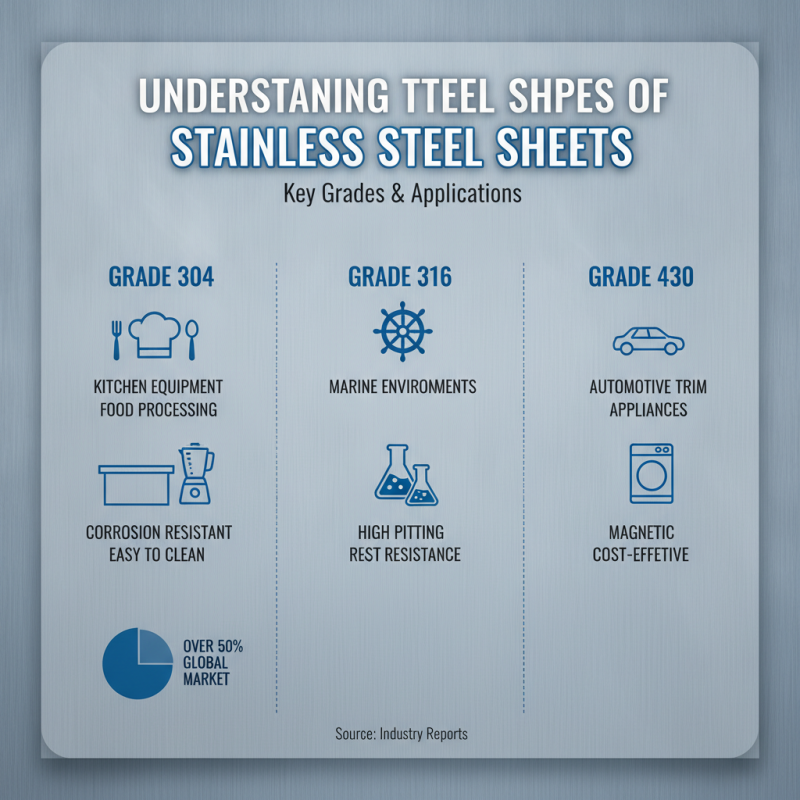
When choosing stainless steel sheets, understanding the different types available is critical. Stainless steel comes in various grades and finishes, each serving unique purposes. For instance, 304 stainless steel is widely used in kitchen equipment and food processing. It offers good corrosion resistance and is easy to clean. According to industry reports, 304 stainless steel accounts for over 50% of the global stainless steel sheet market.
Another popular choice is 316 stainless steel. It contains molybdenum, providing enhanced resistance to corrosion, especially in marine environments. This type is often preferred for coastal applications. Recent studies indicate that 316 stainless steel sheets can reduce the risk of pitting in harsh conditions by over 30%.
It's also essential to consider the surface finish. A brushed finish might hide scratches better than a mirror finish, but it may also show fingerprints. Further complicating the decision, some projects may require a specific thickness or tempering. Understanding these factors can significantly influence your project’s outcome and longevity. Be mindful that choosing the wrong type might lead to premature failure, increasing costs and delays.
Factors to Consider when Selecting Stainless Steel Sheets for Projects
When selecting stainless steel sheets for projects, several critical factors must be considered. The grade of stainless steel is essential. For instance, 304 stainless steel is widely used due to its excellent corrosion resistance and durability. According to industry reports, 304 accounts for approximately 50% of stainless steel production. This widespread use demonstrates its reliability in various applications.
Thickness is another significant factor. Standard sheet thicknesses range from 0.5mm to several millimeters. Thicker sheets are stronger but may be difficult to work with. Choosing the right thickness helps balance strength and workability. It's not unusual for projects to fail due to improper thickness choices. Weight and handling become issues with heavier sheets, potentially increasing project costs.
Surface finish also affects performance. A polished surface can enhance corrosion resistance. However, it may not always be necessary. Depending on the project, a more textured surface could be advantageous. Industry data suggests that 25% of clients overlook surface characteristics in their selection process. This oversight can lead to durability issues and increased maintenance requirements.
Balancing these factors ensures a successful project outcome.
How to Evaluate the Thickness and Size of Stainless Steel Sheets
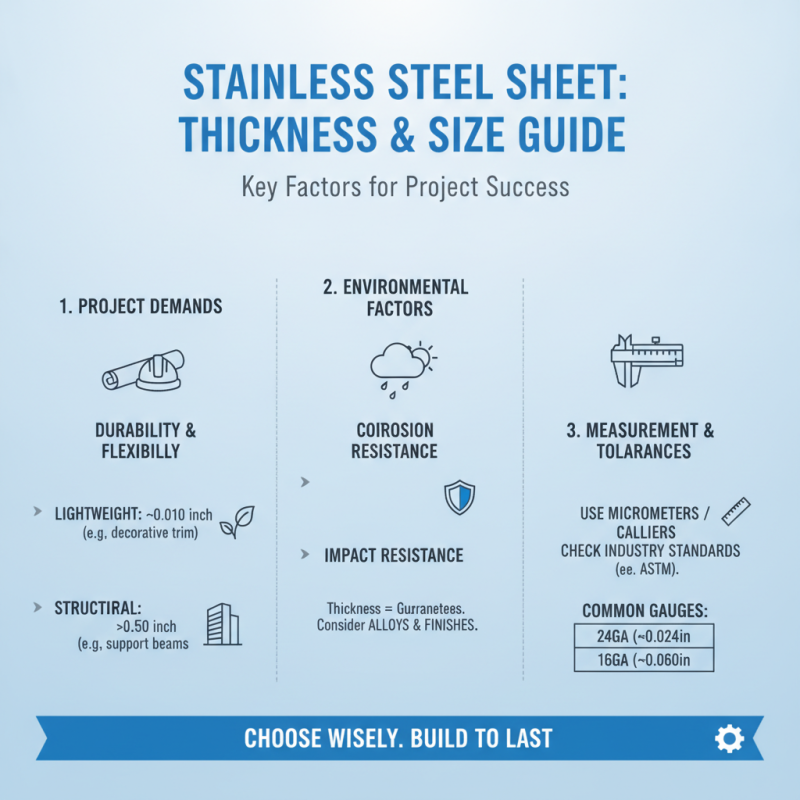
When evaluating the thickness of stainless steel sheets, it’s crucial to understand your project’s demands. Thickness affects durability and flexibility. For lightweight applications, sheets around 0.010 inches thick might suffice. However, structural projects often require thicknesses of at least 0.050 inches to ensure stability. Always consider the environment where these sheets will be used. Thickness alone doesn’t guarantee resilience against corrosion or impact.
Size is another vital factor. Stainless steel sheets come in various dimensions. If you’re working on custom projects, you may need to order specific sizes. Common sizes include 4x8 feet or 4x10 feet, which can work for many applications. Be mindful of material wastage. Larger sheets can produce offcuts, impacting your budget and efficiency. Balancing your need for size with practical limitations often requires reflection and careful planning. Each project's specifics will guide your selections, and sometimes trial and error can lead to better choices.
Assessing the Corrosion Resistance and Durability of Stainless Steel
When assessing the corrosion resistance of stainless steel, several factors come into play. The grade of stainless steel significantly influences its durability. Typically, higher nickel content enhances resistance to corrosion. However, it can also lead to increased costs. Therefore, balancing cost and quality is essential.
Environmental conditions are crucial as well. For instance, exposure to salty air or chemicals can accelerate corrosion. Knowing the project's location helps in choosing the right grade. Standard grades, like 304 and 316, excel in various applications but might underperform in harsh environments.
Field tests often reveal variations in performance. Real-world applications may show unexpected wear patterns or corrosion rates. This highlights the importance of selecting the right materials based on specific needs. It’s also vital to evaluate manufacturing processes, as poor handling can compromise integrity. Relying solely on recommendations may not always lead to optimal choices.
Always consider individual project requirements to ensure long-lasting results.
Cost Considerations and Sourcing Options for Stainless Steel Sheets
When sourcing stainless steel sheets, understanding cost considerations is crucial for project budget management. According to industry reports, the price of stainless steel fluctuates based on global market trends. In early 2023, the average price per ton reached approximately $3,200. This can vary significantly depending on the thickness and grade of the steel. Buyers should anticipate possible increases or decreases based on supply chain dynamics.
Consider sourcing options carefully. Local suppliers can offer timely deliveries but may have higher prices. Conversely, international suppliers might provide competitive rates but typically involve longer shipping times. A report by the Steel Market Update noted that 60% of manufacturers face supply chain challenges, which can lead to delays. This can impact overall project timelines, so weigh immediate costs against long-term implications.
Quality should not be compromised for lower prices. Inferior materials can lead to structural failures, costing more in repairs later. A thorough evaluation of both the material's grade and supplier reliability is critical. Investing in quality ensures durability and compliance with industry standards. It’s a balancing act that requires attention and foresight.

 Angle Steel
 Channel Steel
 Universal Beam (l-Beam)
 H-Beam Steel
 Galvalume Steel Coil
 Galvalume Steel Sheet
 Galvanized Steel Sheet
 Color Coated Plate
 Stainless Steel Bar
 Stainless Steel Pipe
 Steel Bar
 Wire Rope
 Carbon Steel Pipe
 Carbon Steel Plate
 Aluminum Plate
 Aluminum Coil
 Aluminum Pipe
 Aluminum Bar
 Magnesium Ingot
 Fasteners