What Are the Benefits of Using Steel Piles Sheet in Construction?
Construction methods are evolving, and the use of Steel Piles Sheet is gaining attention. Experts in the industry highlight its importance. For instance, Thomas Reid, a renowned structural engineer, states, "Steel Piles Sheets provide unmatched strength and versatility in various construction applications."
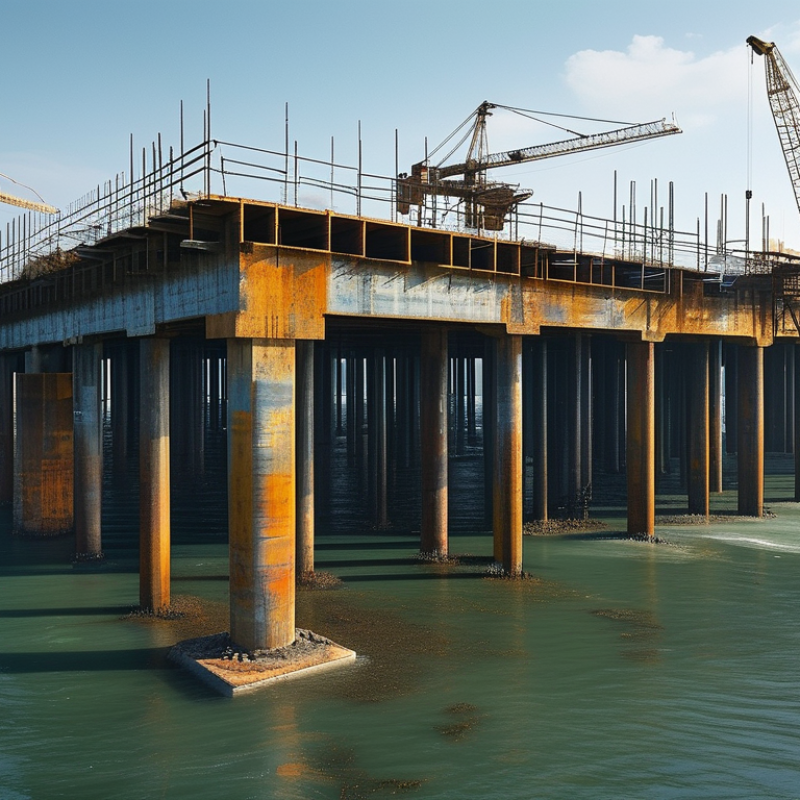
The benefits of Steel Piles Sheet are noteworthy. They offer high load-bearing capacity, which is essential for stable foundations. These sheets also withstand harsh environmental conditions. This makes them suitable for both coastal and urban developments.
However, challenges exist. The installation process can be complex and requires skilled labor. Additionally, while the initial cost may be high, long-term savings on maintenance and durability are significant. Reflecting on these factors can lead to better decision-making in construction projects.
Introduction to Steel Piles Sheet and Its Applications in Construction
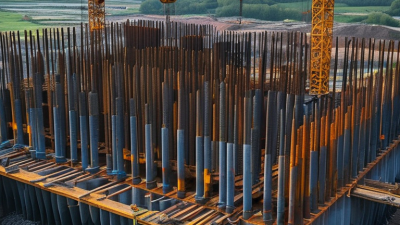
Steel piles are essential in modern construction. They provide a robust foundation, particularly in challenging soil conditions. They are used extensively in various applications, from bridges to high-rise buildings. A report from the Deep Foundations Institute highlights that steel piles can reduce settlement issues in soft soils by up to 70%. This performance is crucial in urban areas where space is limited.
Incorporating steel piles can increase project reliability. They can be driven to great depths, reaching stable strata. This adaptability helps ensure structures withstand environmental pressures like flooding and seismic activities. Research shows that structures on steel piles have greater longevity, with lifespans extending over 50 years with proper maintenance. However, the initial costs are often higher than other foundation types. This factor can lead to debates about budget allocations.
Construction professionals note that using steel piles can be complex. Challenges include the need for specialized equipment and skilled labor. Not every project can justify these complexities. Construction teams must evaluate site conditions thoroughly. Balancing costs with long-term benefits requires careful consideration. Achieving optimal solutions demands collaboration and expertise in geotechnical engineering.
Key Advantages of Using Steel Piles Sheet Over Traditional Materials
Steel piles sheet offers several advantages over traditional materials in construction projects. One major benefit is their durability. Steel is resistant to corrosion, termites, and other environmental factors. This longevity reduces maintenance costs over time. For instance, in projects near water or extreme weather conditions, steel remains reliable where wood deteriorates quickly.
Another key advantage is the ability to handle heavy loads. Steel piles can support significant weight, making them suitable for high-rise buildings and bridges. In contrast, traditional materials like timber or concrete may not provide the same stability. This strength becomes critical in seismic zones where structures are subjected to lateral forces.
However, some challenges exist with steel piles. Their installation requires specialized equipment and expertise. Additionally, cost considerations may hinder some projects. It's important for builders to evaluate the specific needs of their projects before deciding on materials. A thorough assessment ensures that the benefits of steel piles align with project goals.
What Are the Benefits of Using Steel Piles Sheet in Construction? - Key Advantages of Using Steel Piles Sheet Over Traditional Materials
| Advantage |
Description |
Comparison to Traditional Materials |
| High Load-Bearing Capacity |
Steel piles can support heavier loads, making them suitable for a variety of construction projects. |
Better than wood or concrete piles, which can fail under extreme loads. |
| Durability |
Steel is resistant to environmental conditions, insects, and rot. |
Outlasts wooden piles and is more stable than concrete in wet conditions. |
| Speed of Installation |
Steel piles can be driven quickly into the ground, reducing construction time. |
Faster installation compared to concrete, which requires curing time. |
| Cost-Effectiveness |
Lower overall costs due to reduced maintenance and longer lifespan. |
More economical over time compared to traditional materials that require frequent replacement. |
| Environmental Impact |
Steel can be recycled, contributing to sustainable construction practices. |
More environmentally friendly than treated wood, which can leach chemicals. |
Impact of Steel Piles Sheet on Structural Integrity and Stability
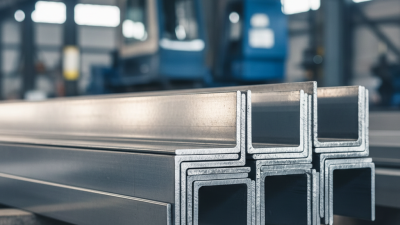
Steel piles sheets are crucial for enhancing structural integrity and stability in construction. These sheets are driven into the ground to provide reliable support for various structures. The use of steel enhances load-bearing capacity. This can be particularly beneficial in areas with unstable soil or high water tables.
One significant aspect of steel piles sheets is their resistance to environmental hazards. They can withstand corrosive elements, moisture, and extreme weather conditions. This durability plays a key role in maintaining the structural integrity over time. However, it is essential to note that improper installation can lead to issues. Piles must be accurately aligned and driven to the right depth. Any deviation can compromise stability.
Incorporating steel piles sheets can also increase construction efficiency. They can be installed quickly, often minimizing labor costs. Yet, reliance on machinery for installation poses risks. Equipment failure can halt progress and lead to delays. This highlights the importance of skilled operators for effective project delivery. Proper training and maintenance are vital for optimal performance.
Cost-Effectiveness of Steel Piles Sheet in Long-Term Construction Projects
The cost-effectiveness of steel pile sheets in long-term construction projects cannot be overlooked. Steel piles provide robust support and stability for various structures. They are ideal for areas with challenging soil conditions. The initial investment may seem high, but their durability ensures lower maintenance costs over time.
Construction projects often face delays due to environmental factors. Steel piles resist corrosion and other forms of environmental damage. This quality reduces future replacements, saving money in the long run. Engineers can rely on their strength, leading to fewer complications and unexpected expenses.
However, it's crucial to understand that not all projects suit steel piles. Climate conditions and soil type must be evaluated carefully. Miscalculations can lead to costly mistakes. Professionals should conduct thorough assessments to determine the best use. This approach ensures long-term value while emphasizing the importance of expertise in construction choices.
Environmental Considerations and Sustainability of Steel Piles Sheet Usage
The use of steel piles sheets in construction has notable environmental benefits.
They are often recyclable, reducing waste in landfills. Steel can be repurposed many times without losing its structural integrity.
This greatly lessens the need for new raw materials, often mined at significant environmental costs.
Using steel piles can minimize site disturbance. They require less excavation than traditional foundations.
This leads to reduced soil erosion and habitat disruption.
The reduced need for heavy machinery can also lower emissions and energy usage on-site.
Tips: Always check if the steel is sourced from sustainable suppliers.
This can enhance the ethical aspect of your project.
Consider the design of your project. Compact designs can further reduce the footprint and environmental impact.
This reflection can lead to a more sustainable construction practice.

 Angle Steel
 Channel Steel
 Universal Beam (l-Beam)
 H-Beam Steel
 Galvalume Steel Coil
 Galvalume Steel Sheet
 Galvanized Steel Sheet
 Color Coated Plate
 Stainless Steel Bar
 Stainless Steel Pipe
 Steel Bar
 Wire Rope
 Carbon Steel Pipe
 Carbon Steel Plate
 Aluminum Plate
 Aluminum Coil
 Aluminum Pipe
 Aluminum Bar
 Magnesium Ingot
 Fasteners