How to Choose the Right Seamless Steel Pipe for Your Needs?
Choosing the right seamless steel pipe is crucial for various applications. Industry expert John Smith, a leading engineer at Steel Innovations, emphasizes, "Selecting the right pipe can make or break a project." With countless options available, it’s essential to understand the nuances of seamless steel pipes.
Seamless steel pipes offer unique advantages over welded alternatives, including improved strength and reliability. Their manufacturing process ensures uniformity and reduces the risk of leaks. However, choosing the wrong type can lead to costly mistakes, such as project delays or equipment failures.
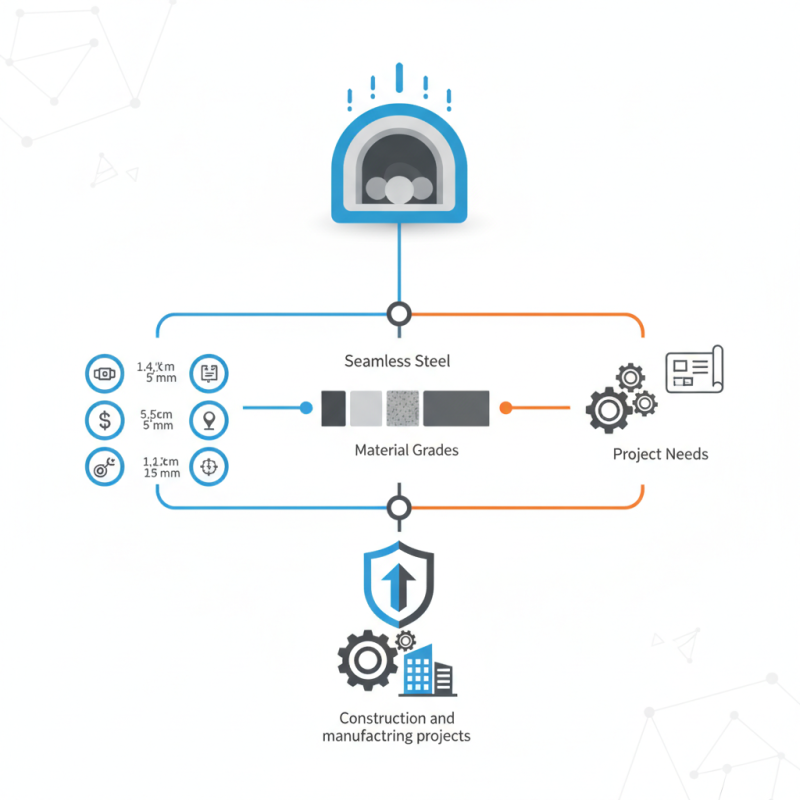
Many factors come into play when selecting a seamless steel pipe. These include diameter, wall thickness, and material grade. Reflecting on specific project needs can illuminate the best choice. It’s a complex decision, and expertise can guide you effectively. Taking time to assess requirements leads to better outcomes in construction and manufacturing projects.
Understanding Seamless Steel Pipes and Their Applications
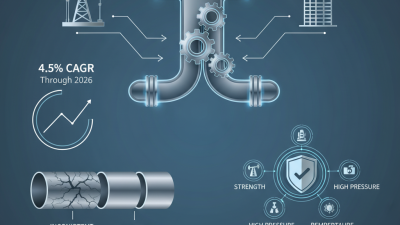
Seamless steel pipes are crucial in various industrial applications. They consist of solid steel that undergoes a complex process to create a pipe without seams or welds. This unique feature enhances their durability and strength. They are commonly used in oil and gas industries, construction, and structural components. The absence of welded joints gives these pipes a higher resistance to pressure and fatigue.
Different applications require different types of seamless steel pipes. For instance, high-temperature applications need pipes that can withstand intense heat without compromising structural integrity. Meanwhile, in hydraulic systems, the focus is on pressure ratings and corrosion resistance. Knowing these requirements helps in selecting the right type of pipe. However, many users overlook less tangible factors, like service history and application environment, which are equally important.
Selecting seamless steel pipes involves understanding not just their specifications but also how they interact with other materials and conditions. Will the pipe be exposed to extreme temperatures? Is there a possibility of corrosive substances in the environment? Addressing these questions is essential for choosing the right pipe. However, many often settle for standard specifications without investigating further implications.
Factors to Consider When Selecting Seamless Steel Pipes
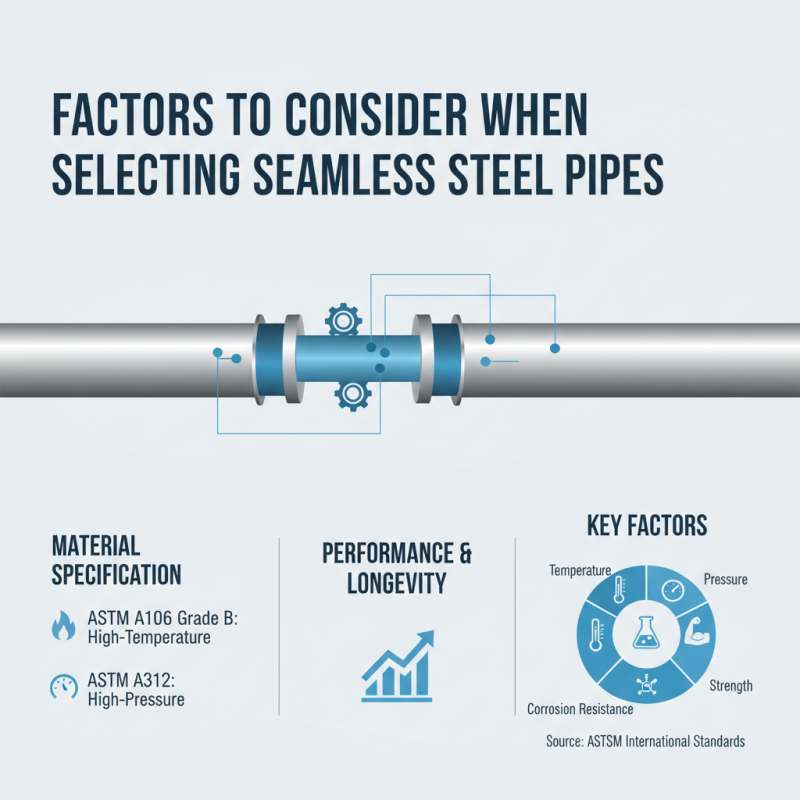
Choosing the right seamless steel pipe involves multiple factors. These factors can significantly affect performance and longevity. One of the primary considerations is the material specification. According to the American Society for Testing and Materials (ASTM), different grades provide varying strengths and corrosion resistance. For example, ASTM A106 Grade B is commonly used for high-temperature applications, while ASTM A312 is suitable for high-pressure situations.
Another crucial aspect is the pipe's size and schedule. The nominal diameter and wall thickness determine flow rate and pressure tolerance. A report from the World Steel Association highlights that an inappropriate pipe schedule can lead to increased wear and premature failure. Additionally, end-user needs must guide these specifications. It's essential to assess the environmental conditions the pipe will face, such as temperature fluctuations and exposure to corrosive substances.
Lastly, consider the manufacturing process. Seamless pipes are produced by hot or cold forming, impacting their mechanical properties. Studies show that seamless pipes generally exhibit better integrity compared to welded options. However, the production quality can vary. Thus, scrutinizing quality certifications and factory audits is wise before making a purchase decision. Taking these factors into account can lead to more durable and efficient usage in various applications.
Evaluating Material Standards and Specifications
When selecting the right seamless steel pipe, understanding material standards and specifications is crucial. Various international standards exist, including ASTM, API, and ASME. Each standard addresses specific properties of steel pipes, such as mechanical strength, resistance to corrosion, and weldability. For example, ASTM A106 is widely used for high-temperature services. Its minimum yield strength is around 240 MPa. This specification ensures reliability in applications like power plants and oil refineries.
It's essential to match the standards to your project's requirements. Many engineers overlook the importance of detailing in the specifications. For instance, API 5L specifies quality standards for line pipes used in the oil and gas industry. Pipeline integrity largely depends on adhering to these specifications. The consequences of non-compliance can lead to failures in the field, posing safety risks and increasing costs.
Evaluating material standards is not just a matter of compliance. It is also about performance. Each project may face unique challenges, including environmental factors and load conditions. For instance, cold weather might require additional considerations for toughness in steel. Therefore, a thorough understanding of the relevant specifications is essential. This process can unveil nuances that may not align with the original assumptions, demanding a reevaluation of choices made during the planning phase.
How to Choose the Right Seamless Steel Pipe for Your Needs? - Evaluating Material Standards and Specifications
| Specification |
Standard |
Material Grade |
Applications |
Pressure Rating |
| Seamless Steel Pipe |
ASTM A106 |
Grade B |
Petroleum, Chemical |
Up to 3000 psi |
| Seamless Carbon Steel Pipe |
ASTM A53 |
Grade A |
Water, Gas, Electrical |
Up to 1500 psi |
| Seamless Alloy Steel Pipe |
ASTM A335 |
P1 |
High-Temperature and Pressure |
Above 600 psi |
| Seamless Stainless Steel Pipe |
ASTM A312 |
TP304 |
Food and Chemical Industries |
Up to 1500 psi |
Assessing Pipe Dimensions and Tolerances
When selecting a seamless steel pipe, pipe dimensions and tolerances are crucial. Understanding nominal pipe sizes, diameters, and wall thickness helps ensure proper fit and functionality in your projects. The pipe diameter affects flow rates, while wall thickness influences pressure ratings.
Consider the application of the pipe. Higher pressures may require thicker walls to prevent failures. Always check the tolerances specified by industry standards. Some pipes have tighter tolerances, which enhance accuracy for demanding applications. However, pipes with wider tolerances might be more cost-effective for less critical uses.
Tips: Measure dimensions precisely before ordering. Using calipers can avoid errors. Review technical documents and manufacturer specifications. This ensures you grasp the tolerances involved. Be cautious, as selecting pipes with inappropriate dimensions can lead to inefficiencies or safety risks. Aim for a balance between cost and performance characteristics for optimal results.
Seamless Steel Pipe Dimensions and Tolerances
Identifying Manufacturer Reputation and Quality Control Practices
Choosing the right seamless steel pipe is crucial for your project. A key factor is the manufacturer’s reputation. A company with a strong track record likely has established quality control practices. Reports indicate that up to 70% of pipeline failures are linked to poor manufacturing standards. It becomes essential to consider these factors.
Quality control starts with raw materials. Reliable manufacturers conduct extensive testing on materials before production. This includes chemical composition analysis and mechanical testing. According to industry standards, only 10% of the original steel should fail a quality test. However, some reports suggest that failure rates can reach 15% due to subpar processes. This discrepancy highlights the need for careful scrutiny.
Moreover, certifications play a significant role. Look for manufacturers with ISO or ASTM certifications. These indicate compliance with international quality standards. Industry data shows that certified products lead to lower maintenance costs and longer service life. It is essential to research and verify these credentials before making a purchase. Ensure that the chosen manufacturer aligns with best practices and delivers consistent quality.

 Angle Steel
 Channel Steel
 Universal Beam (l-Beam)
 H-Beam Steel
 Galvalume Steel Coil
 Galvalume Steel Sheet
 Galvanized Steel Sheet
 Color Coated Plate
 Stainless Steel Bar
 Stainless Steel Pipe
 Steel Bar
 Wire Rope
 Carbon Steel Pipe
 Carbon Steel Plate
 Aluminum Plate
 Aluminum Coil
 Aluminum Pipe
 Aluminum Bar
 Magnesium Ingot
 Fasteners