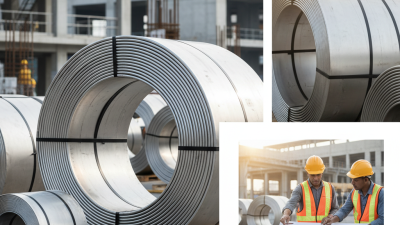
Why is Carbon Steel Channel Preferred in Construction Applications?
In the construction industry, the choice of materials significantly impacts structural integrity and long-term performance. One material that stands out is the Carbon Steel Channel. Speaking on this topic, Dr. Sarah Thompson, a leading expert in construction materials, states, "The strength and versatility of Carbon Steel Channels are unparalleled in modern construction."
Carbon Steel Channels provide strength with a favorable weight-to-strength ratio. They are often used in beams, supports, and framing systems. This versatility allows engineers to design effective structures without compromising on safety or durability. Dr. Thompson highlights how these channels can be tailored for various applications, making them a go-to choice for builders.
However, the selection of Carbon Steel Channels is not without challenges. Corrosion can be a concern, requiring protective coatings in certain environments. Future innovations may address these issues more effectively, enhancing their utility. As the industry evolves, understanding both the benefits and limitations of Carbon Steel Channels remains crucial for informed decision-making.

Advantages of Carbon Steel Channel in Construction
Carbon steel channels are increasingly preferred in construction due to their structural integrity and versatility. These channels offer high tensile strength, making them suitable for load-bearing applications. A recent industry report indicated that carbon steel provides a yield strength of approximately 250 MPa, which is significantly higher than many alternatives. This strength allows for thinner profiles, saving space and weight in structural designs.
Another noteworthy advantage is cost-effectiveness. In construction, every dollar counts. According to a market analysis, the cost of carbon steel is generally lower than stainless steel, making it more accessible for large-scale projects. Furthermore, the ease of fabrication contributes to reduced labor costs. However, this material does require proper maintenance to prevent corrosion. Many projects overlook the importance of protective coatings, leading to potential structural issues over time.
Carbon steel channels also have good recyclability. The construction industry increasingly emphasizes sustainability. Reports show that around 70% of steel is recycled globally. This characteristic aligns with current environmental goals, allowing builders to create structures with a reduced carbon footprint. However, industry standards often overlook this, leading to missed opportunities for sustainable practices.
Advantages of Carbon Steel Channel in Construction
Comparison of Carbon Steel Channel with Other Materials
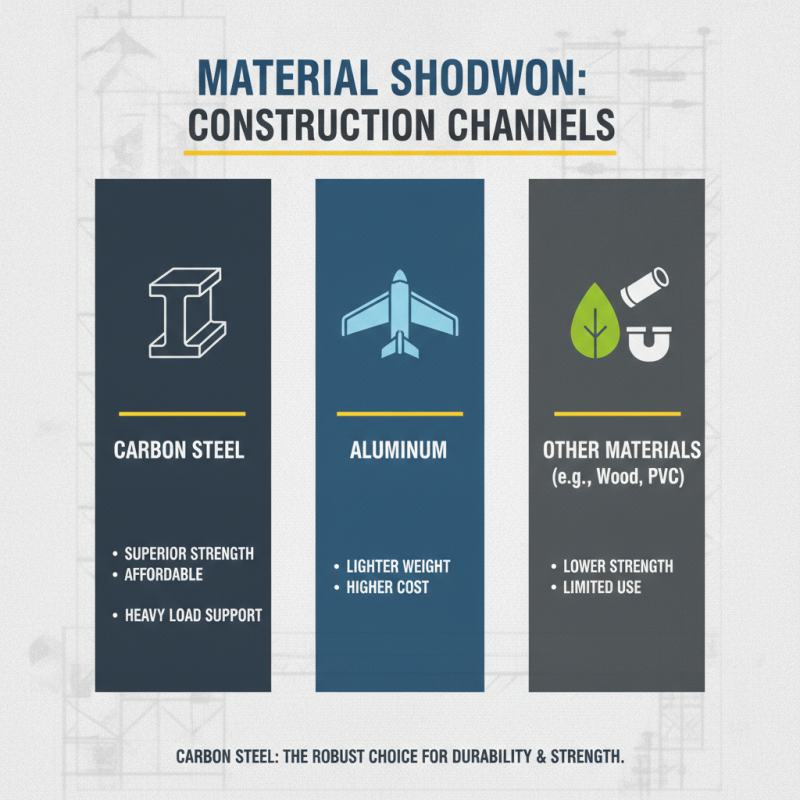
In construction, the choice of materials greatly affects durability and strength. Carbon steel channels are often favored due to their robust properties. Compared to aluminum, carbon steel provides higher strength at a more affordable price. It supports heavy loads without compromising structural integrity.
Similarly, when assessed against stainless steel, carbon steel channels stand out for their cost-effectiveness. Stainless steel may resist corrosion better, but carbon steel can be coated to enhance durability. This trade-off makes carbon steel an attractive option for many builders.
**Tip:** Always consider the environment. If moisture is a concern, think about coatings to prevent rust.
Another comparison is with wood. While wood is natural and lightweight, it lacks the structural strength that carbon steel offers. In load-bearing applications, carbon steel is indispensable. However, builders should be cautious about its weight, which can complicate handling.
**Tip:** Assess the specific needs of your project. You might need a perfect balance of strength and weight.
Remember that while carbon steel channels excel in many aspects, they also require maintenance to prevent corrosion. This need may complicate long-term planning for some projects.
Key Properties of Carbon Steel That Benefit Construction Projects
Carbon steel channels are gaining a strong reputation in the construction sector. Their impressive properties make them a preferred choice among engineers and architects. One significant advantage is their high tensile strength. According to industry reports, carbon steel has a tensile strength ranging from 370 to 700 MPa, which provides durability in challenging environments.
Another essential property is corrosion resistance, albeit limited compared to stainless steel. Adding protective coatings can enhance its lifespan dramatically. Many projects benefit from these coatings, reducing maintenance costs. Industry data indicates that properly treated carbon steel can have a service life exceeding 30 years. This longevity is vital for large structures, where frequent repairs can be costly.
Carbon steel is also versatile. It is easy to fabricate and weld, adapting to various designs and requirements. This flexibility can lead to cost savings in projects. However, despite its advantages, carbon steel requires thoughtful handling to prevent rust. Regular inspections and maintenance are necessary to maximize its benefits. This ongoing reflection on care can ensure the material performs well over time.
Why is Carbon Steel Channel Preferred in Construction Applications? - Key Properties of Carbon Steel That Benefit Construction Projects
| Property |
Value |
Benefits in Construction |
| Tensile Strength |
400 - 550 MPa |
High strength allows for lighter structures with reduced material use. |
| Yield Strength |
250 - 370 MPa |
Resilience under load, making it ideal for beams and support structures. |
| Ductility |
20% minimum elongation |
Allows shaping and welding, providing flexibility in design. |
| Corrosion Resistance |
Moderate, can be enhanced with coatings |
Extends lifespan of structures; cost-effective with proper maintenance. |
| Cost |
Economically competitive |
Lower material costs contribute to overall project savings. |
| Fabrication |
Easily machineable |
Simplifies the construction process; reduces time and labor costs. |
Common Applications of Carbon Steel Channel in Building Projects
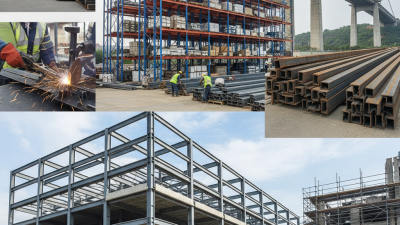
Carbon steel channels are widely used in building projects due to their versatility. They provide strong structural support in various construction applications. Common uses include frames, beams, and supports in both residential and commercial buildings. Their durability under heavy loads makes them suitable for infrastructure like bridges and highways.
In multipurpose facilities, carbon steel channels enhance stability and safety. They are often used in the manufacturing of scaffolding and shelving systems. These components can withstand considerable weight without deformation. However, the protective coatings are crucial to prevent rust. Many projects encounter issues with corrosion due to moisture exposure.
Despite their advantages, challenges remain. Regular inspections are necessary to maintain their integrity. Without proper care, carbon steel can suffer degradation. This requires project managers to address any signs of wear. The balance between cost-effectiveness and durability can sometimes lead to difficult decisions during planning.
Cost Efficiency and Durability of Carbon Steel Channels in Construction
Carbon steel channels are increasingly favored in construction due to their cost efficiency and durability. The economical aspect is evident right from the production stage. Carbon steel is typically less expensive than other metals. This lower initial cost allows builders to allocate budget towards other crucial areas, like labor or materials. Additionally, these channels offer significant structural support without large weight burdens, making transport and installation easier.
The durability of carbon steel channels cannot be overlooked. They provide excellent strength and resilience, which is vital in construction. Structures made with these channels can withstand harsh environmental conditions. The longevity of carbon steel leads to reduced maintenance needs, which translates into long-term savings. However, they may require proper treatment to prevent corrosion. This added step can be a consideration that affects project timelines and costs.
Builders sometimes face challenges when selecting materials. Despite carbon steel's advantages, it's important to note the need for expertise in its application. Miscalculating the load or environmental factors can lead to issues down the line. Ensuring proper installation and maintenance is crucial. Thus, while carbon steel channels are a smart choice, they still demand careful consideration to maximize their benefits.

 Angle Steel
 Channel Steel
 Universal Beam (l-Beam)
 H-Beam Steel
 Galvalume Steel Coil
 Galvalume Steel Sheet
 Galvanized Steel Sheet
 Color Coated Plate
 Stainless Steel Bar
 Stainless Steel Pipe
 Steel Bar
 Wire Rope
 Carbon Steel Pipe
 Carbon Steel Plate
 Aluminum Plate
 Aluminum Coil
 Aluminum Pipe
 Aluminum Bar
 Magnesium Ingot
 Fasteners