How to Choose the Best Stainless Plate for Your Business Needs?
Choosing the right Stainless Plate for your business is crucial. The global stainless steel market is projected to reach $200 billion by 2026, reflecting its growing importance across various sectors. Stainless Plates play an essential role in industries such as construction, food processing, and manufacturing. Selecting the right material can improve product durability and enhance operational efficiency.
It's essential to consider various factors when choosing a Stainless Plate. Different grades offer varying levels of corrosion resistance, tensile strength, and formability. For example, austenitic stainless steels, known for their high corrosion resistance, are often preferred in harsh environments. Industry reports indicate that over 60% of stainless steel is used in non-magnetic applications, underlining the versatility of these materials.
However, not every Stainless Plate is suitable for every application. Missteps in selection can lead to increased costs and reduced product lifespan. Business leaders must reflect on their specific needs and how differing grades and finishes can impact performance. Careful consideration will ensure that your choice meets both current needs and future demands.
Understanding Different Types of Stainless Steel Plates Available
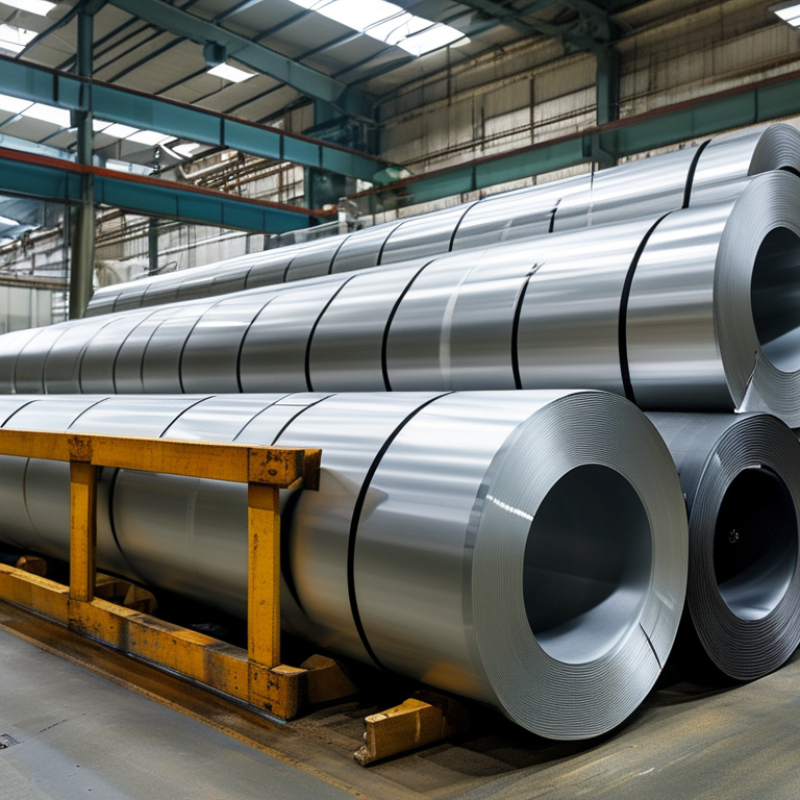
When selecting the right stainless steel plate, understanding the available types is crucial. There are several grades of stainless steel, each serving distinct purposes. For instance, 304 stainless steel is common due to its excellent corrosion resistance and formability. It’s a popular choice in food processing environments.
On the other hand, 316 stainless steel provides superior resistance to corrosion from chloride exposure, making it ideal for marine applications. However, it is often more expensive. Both options have their unique advantages and drawbacks, which can complicate the decision-making process. It's important to evaluate your operational needs carefully.
Another factor to consider is the thickness of the plate. Thicker plates offer increased durability but can be harder to work with. Thin plates are easier to manipulate but may lack durability. Depending on your specific application, balancing these challenges and benefits is essential. Reflecting on these details can lead to a more informed decision.
How to Choose the Best Stainless Plate for Your Business Needs?
| Type of Stainless Steel Plate |
Key Characteristics |
Common Applications |
Thickness Range (mm) |
Corrosion Resistance |
| 304 Stainless Steel |
Excellent corrosion resistance, easy to weld |
Food processing, kitchen equipment |
0.3 - 100 |
Good |
| 316 Stainless Steel |
Superior corrosion resistance, particularly against chlorides |
Marine applications, chemical processing |
0.3 - 100 |
Excellent |
| 430 Stainless Steel |
Moderate corrosion resistance, magnetic |
Cutlery, automotive trim |
0.5 - 30 |
Fair |
| Duplex Stainless Steel |
High strength, excellent corrosion resistance |
Oil and gas, chemical industries |
0.5 - 50 |
Very Good |
Key Factors to Consider When Selecting Stainless Steel Plates
When selecting stainless steel plates for your business, key factors come into play. The first is the grade of stainless steel. Different grades offer varying levels of corrosion resistance and strength. According to the Stainless Steel Council, grades 304 and 316 are commonly used in industries from food production to medical applications.
Another important factor is the thickness of the plate. A thicker plate provides greater resistance to deformation and wear. The Stainless Steel Fabricators Association notes that plates thinner than 1/4 inch may not perform well in high-stress environments. Understanding the intended use of the plate can guide you toward the right thickness.
Surface finish also matters. A polished plate might suit aesthetic needs but could lack the durability expected for industrial applications. The right finish can enhance wear resistance while maintaining hygiene. It’s crucial to assess your specific needs meticulously, as any oversight can lead to unexpected issues down the line. Regular consultation with industry reports and technical specifications can help minimize these risks.
Evaluating Thickness and Dimensions for Specific Applications
When selecting stainless plates for your business, thickness and dimensions significantly influence performance. The application often dictates these parameters. For instance, a thicker plate offers enhanced durability, making it ideal for high-pressure environments. According to industry reports, plates of 8mm or more are recommended for structural applications to maintain integrity and safety.
Tip: Always assess the expected loads. Thinner plates, around 2-5mm, may suit less demanding tasks, like decorative accents. However, these may not withstand heavy impacts or corrosion.
Dimensions also play a key role. Precision is critical. For instance, custom dimensions ensure a perfect fit in machinery or structures. A survey from the American Society for Metals indicates that 70% of stainless plates fail due to improper sizing. Those mistakes can lead to costly replacements.
Tip: Measure twice, buy once. Consult with specialists to determine optimal sizes for your specific needs. Adjusting for tolerances can make a huge difference. Always keep an eye on long-term implications of your choices; today’s decisions shape future operations.
Comparing Costs and Lifespan of Different Stainless Steel Grades
When selecting stainless steel plates for your business, understanding the costs and lifespan of various grades is crucial. According to industry reports, 304 stainless steel is a commonly used grade. It offers a good balance between cost and durability. Prices typically range from $2 to $3 per pound. This grade has a lifespan of 15 to 20 years in most applications, making it a solid choice for many businesses.
In contrast, 316 stainless steel usually costs around $3 to $5 per pound. It excels in corrosive environments, showing an extended lifespan of up to 30 years. Industries such as food processing and maritime often lean towards this grade. However, the higher initial costs could challenge smaller businesses. Industry surveys indicate some businesses regret not opting for higher-grade stainless steel due to maintenance costs.
It's essential to consider the specific needs of your operation. A cheaper grade may save money upfront but could lead to higher replacement and maintenance costs. Meanwhile, the investment in a higher-grade material might offer long-term savings. Thus, careful evaluation of the operational environment and potential risks is necessary for making a sound decision.
How to Choose the Best Stainless Plate for Your Business Needs?
Assessing Suppliers and Quality Assurance Standards for Purchase
When selecting stainless plates for your business, assessing suppliers is vital. Look for suppliers who demonstrate expertise in this field. They should have a track record of providing high-quality materials. Verify their certifications and ensure they meet industry standards. Reliable suppliers often have testimonials from previous clients. This can help you gauge their reputation.
Quality assurance is equally crucial. Suppliers should have a robust quality control process. This might include routine inspections and testing of materials. Request samples before making a large purchase. This allows you to inspect the quality first-hand. Reflect on how each plate meets your specific business needs. Sometimes, what seems perfect may not be suitable after closer examination.
Ensure you have clear communication with your chosen supplier. Discuss any concerns openly. This can lead to better outcomes and adjustments if needed. Remember, the goal is to find a balance between quality and cost. It's an ongoing process that may require reevaluation as your business evolves.

 Angle Steel
 Channel Steel
 Universal Beam (l-Beam)
 H-Beam Steel
 Galvalume Steel Coil
 Galvalume Steel Sheet
 Galvanized Steel Sheet
 Color Coated Plate
 Stainless Steel Bar
 Stainless Steel Pipe
 Steel Bar
 Wire Rope
 Carbon Steel Pipe
 Carbon Steel Plate
 Aluminum Plate
 Aluminum Coil
 Aluminum Pipe
 Aluminum Bar
 Magnesium Ingot
 Fasteners