Why Are Steel Piles Sheet Essential in Modern Construction Projects?
Steel Piles Sheet play a vital role in modern construction projects. According to Dr. Emily Carter, a leading expert in structural engineering, "Steel Piles Sheet provide unmatched support in challenging environments." This statement highlights their importance in enhancing project reliability.
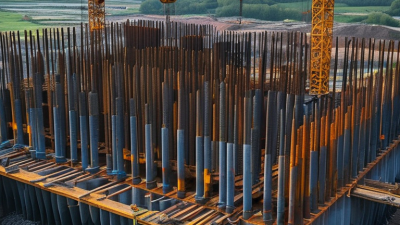
In urban development, buildings often face unique challenges, including limited space and unstable soil conditions. Steel Piles Sheet offer a robust solution by offering deep foundation support. They prevent soil erosion and ensure stability, which is crucial as construction sites become more complex.
However, the selection and application of Steel Piles Sheet require careful consideration. Miscalculations or improper installation can lead to significant flaws in the project. Ongoing education in this field is vital for engineers. Updating knowledge on the latest materials and techniques can prevent costly mistakes. This highlights the need for continuous learning and adaptation in the evolving landscape of construction.
Importance of Steel Piles Sheets in Modern Construction
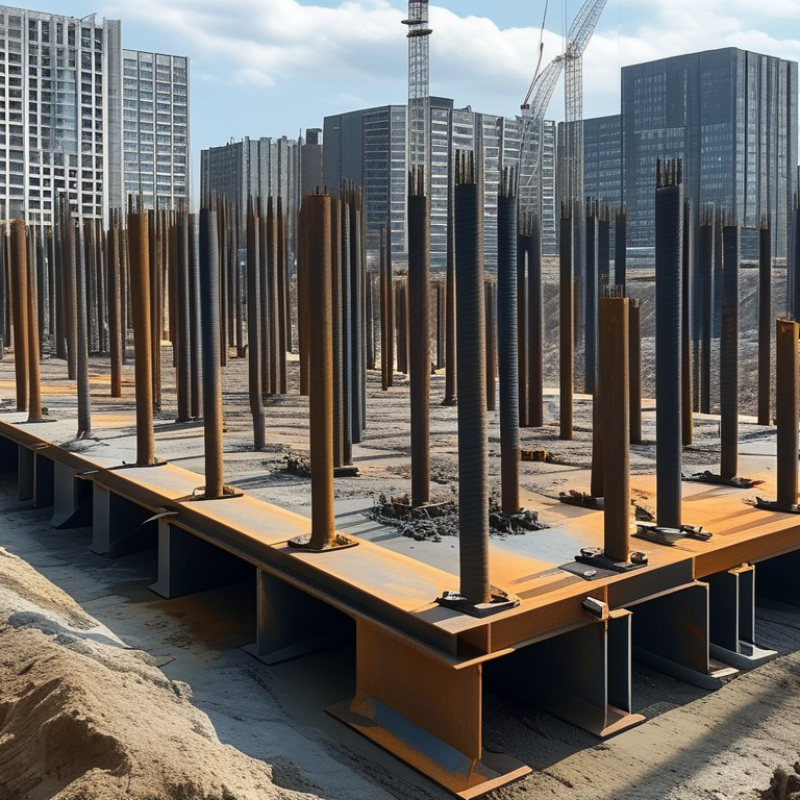
Steel pile sheets play a crucial role in modern construction projects. They provide essential support for buildings, bridges, and other infrastructure. According to the American Institute of Steel Construction (AISC), steel piles can withstand substantial loads due to their high tensile strength. This makes them ideal for various soil conditions.
In urban areas, where space is limited, steel piles become even more important. They minimize soil disturbance during installation. A study by the Deep Foundations Institute (DFI) indicates that these piles can reduce excavation time and costs by up to 30%. This efficiency is vital in fast-paced construction environments.
Tip: When selecting steel piles, consider soil type and load requirements. Every site is unique, and tailored solutions maximize performance.
While steel piles offer many advantages, challenges exist. Corrosion can affect their longevity. Regular inspections and protective coatings may be required to ensure durability. Striking a balance between cost and quality is essential for project success.
Tip: Schedule periodic maintenance checks for steel piles. Addressing issues early can extend their service life significantly.
Versatility of Steel Piles in Different Soil Conditions
Steel piles are essential in modern construction due to their adaptability to various soil conditions. They provide support in challenging environments, such as soft, saturated soils or rocky terrains. This versatility allows engineers to design structures with confidence. Steel piles can help mitigate issues like settlement and lateral movement. This is particularly important in urban areas where space is limited.
In softer soils, steel sheet piles can deliver significant load-bearing capabilities. They work effectively by distributing weight and resisting lateral pressures. This strength is crucial when dealing with waterlogged environments. Conversely, in rocky or dense soils, the rigidity of steel ensures stability without excessive excavation. However, it’s important to conduct thorough soil analyses. The wrong choice of pile type can lead to long-term structural problems.
Additionally, the installation process of steel piles can be complex. Factors like installation method, site accessibility, and environmental impact require careful consideration. For instance, driving piles into rocky ground may lead to vibration issues. Yet, these challenges can often be mitigated with innovative techniques. Adapting to these complexities demands expertise and experience. Recognizing the challenges helps engineers make informed decisions and improve project outcomes.
Benefits of Using Steel Piles for Structural Stability and Support
Steel piles play a crucial role in modern construction. They offer unmatched structural stability and support for various projects. Steel's strength allows it to handle heavy loads, making it ideal for foundations. These piles can penetrate dense soil layers, reaching stable ground even in challenging environments.
Utilizing steel piles also enhances a project's durability. They resist corrosion and environmental stress, which extends their lifespan. This longevity translates to lower maintenance costs over time. Construction teams often find that steel piles reduce the risk of structural failure during extreme weather conditions. However, installing them requires careful planning. Miscalculations can lead to issues down the line.
Incorporating steel piles can be cost-effective. Their efficiency often leads to quicker construction timelines. Projects may experience fewer delays due to weather or ground conditions. Yet, it is essential to evaluate soil properties thoroughly to ensure proper performance. Some projects might underestimate the complexities involved, leading to potential setbacks.
Benefits of Using Steel Piles in Modern Construction Projects
This bar chart illustrates the significant benefits of using steel piles in construction projects, emphasizing their impact on structural stability and support. The data highlights various advantages, including durability, load-bearing capacity, and environmental resistance.
Cost-Effectiveness of Steel Piles in Long-Term Construction Projects
Steel piles are essential in modern construction due to their cost-effectiveness over the long term. These piles provide robust support for buildings and infrastructure. When a project requires deep foundations, steel piles are often the best choice. They can withstand heavy loads and harsh environments, ensuring structural stability. This durability can lead to significant savings on maintenance and repairs.
In addition to their strength, steel piles are often easier and faster to install. This efficiency can reduce overall project timelines. A faster build means lower labor costs and quicker returns on investment. Moreover, steel piles can be reused in future projects. This not only saves money but also supports sustainable practices in construction.
However, it's essential to consider the upfront costs. Steel can be more expensive than other materials. Evaluating the long-term benefits against initial expenses is crucial. Some projects may overlook this analysis, potentially leading to financial strain down the line. Balancing short-term spending and long-term savings requires careful planning and foresight.
Environmental Considerations and Sustainability of Steel Piles
Steel piles have become increasingly vital in modern construction due to their environmental benefits and sustainability. A significant factor is their recyclability. According to the American Institute of Steel Construction, about 90% of steel can be recycled without losing quality. This lowers the demand for new raw materials and reduces waste. Recycled steel piles also require less energy for production, contributing to lower carbon emissions during construction.
The longevity of steel piles further enhances their sustainability. Their resistance to corrosion and structural integrity means they have extended lifespans compared to other materials. Research indicates that well-maintained steel piles can last over 50 years. However, it is crucial to consider the environmental impact of steel production. The process can emit high levels of CO2, prompting the industry to seek greener methods. Innovative practices, such as carbon capture, are being explored, yet they are not widely implemented yet.
Moreover, while steel piles show several advantages, improper installation can lead to challenges. Settlements and shifts may occur if not properly aligned or supported. This points to the need for robust engineering standards and consistent monitoring during projects. Focusing on best practices ensures that the environmental benefits of steel piles are maximized while minimizing potential downsides.

 Angle Steel
 Channel Steel
 Universal Beam (l-Beam)
 H-Beam Steel
 Galvalume Steel Coil
 Galvalume Steel Sheet
 Galvanized Steel Sheet
 Color Coated Plate
 Stainless Steel Bar
 Stainless Steel Pipe
 Steel Bar
 Wire Rope
 Carbon Steel Pipe
 Carbon Steel Plate
 Aluminum Plate
 Aluminum Coil
 Aluminum Pipe
 Aluminum Bar
 Magnesium Ingot
 Fasteners