Top Benefits of Using Stainless Plate in Various Industries?
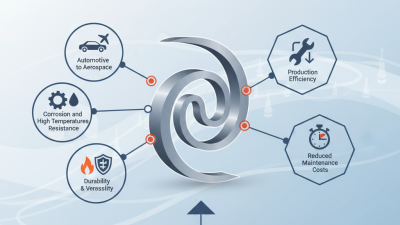
Stainless Plate is gaining popularity across various industries. Its unique properties make it a sought-after material in construction, manufacturing, and food processing. The durability of Stainless Plate ensures it withstands tough environments, reducing the need for frequent replacements. This can lead to significant cost savings over time.
In construction, Stainless Plate is valued for its resistance to corrosion and extreme weather. This means structures maintain their integrity longer, ensuring safety and reliability for users. In the food industry, Stainless Plate is favored because it is easy to clean and does not react with food. This guarantees hygiene and safety, crucial for consumer trust.
Despite its advantages, the initial cost of Stainless Plate can be higher than other materials. This upfront expense may deter some businesses. However, the long-term benefits often outweigh these concerns, making it a sound investment. Evaluating the overall lifecycle costs is essential for making informed decisions.
Advantages of Stainless Steel Plate in Construction Applications
Stainless steel plates offer numerous advantages in construction applications. Their strength and durability make them ideal for supporting structures. Unlike other materials, stainless steel resists corrosion. This means fewer repairs and a longer lifespan for buildings. It can withstand harsh weather conditions without degrading. This quality saves time and money in the long run.
Using stainless steel plates allows for greater design flexibility. They can be easily shaped into various forms. Creative architects can explore bold designs. However, the initial costs may discourage some projects. It’s essential to weigh the long-term benefits against the initial investment.
Tip: Always consider environmental factors. In coastal areas, stainless steel performs better than other materials. Regular maintenance is still needed, but it’s less frequent compared to alternatives. Plan your construction with these factors in mind for optimal results. Choose materials wisely to enhance sustainability.
Corrosion Resistance: Enhancing Durability Across Industries
Stainless steel plates are a preferred choice across various industries. Their corrosion resistance significantly enhances durability. Generally, stainless steel can have a lifespan of 20 years or more in harsh environments. For instance, according to a corrosion study by NACE International, replacing carbon steel with stainless steel can reduce maintenance costs by up to 30%. This reduction is crucial for industries like maritime, where equipment faces constant exposure to saltwater.
Considering the chemical processing sector, reactors and storage tanks made from stainless steel have shown superior resistance to a range of acids and alkalis. This factor minimizes the risk of leakage and product contamination. The ability of stainless steel to withstand high temperatures also makes it valuable in food processing. According to the International Stainless Steel Forum, stainless steel contributes to better sanitation and food safety processes.
Tips: Regular inspections can help identify corrosion early. Consider implementing a maintenance schedule tailored to your specific environment. Additionally, do not overlook the impact of cleaning agents. Some chemicals can hasten corrosion even in stainless steel. Even the highest quality materials can face unexpected degradation without proper care.
Top Benefits of Using Stainless Plate in Various Industries
| Industry |
Application |
Key Benefit |
Corrosion Resistance Rating |
| Food Processing |
Equipment and Utensils |
Hygienic and Easy to Clean |
Grade 304 |
| Construction |
Structural Components |
Strength and Longevity |
Grade 316 |
| Chemical Processing |
Pipes and Tanks |
High Resistance to Corrosion |
Grade 316L |
| Oil and Gas |
Storage Tanks |
Durability in Harsh Environments |
Grade Duplex 2205 |
| Pharmaceutical |
Manufacturing Equipment |
Prevention of Contamination |
Grade 316 |
Hygienic Properties and Their Importance in Food Processing
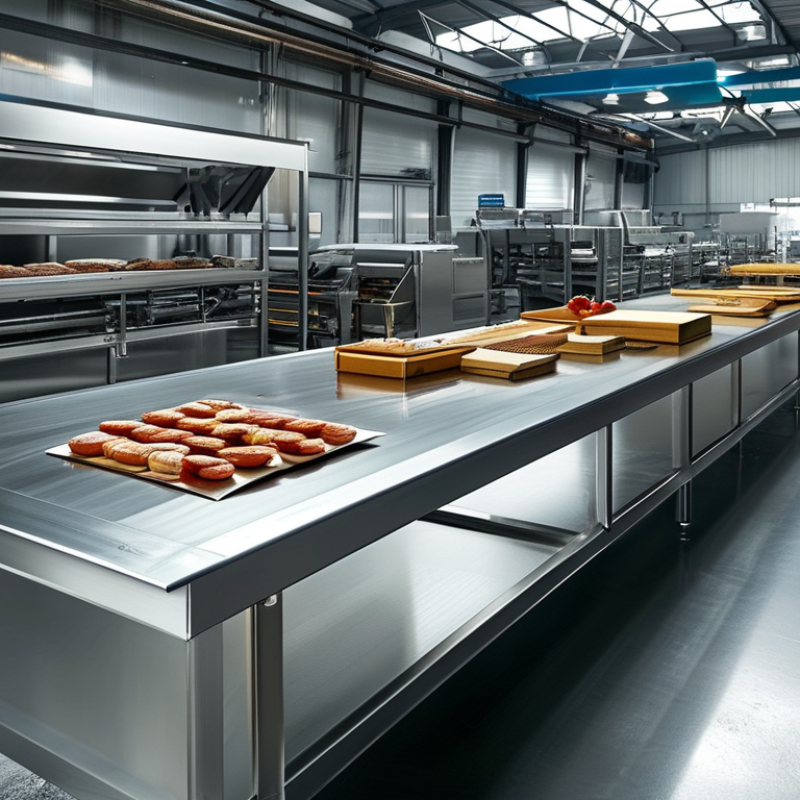
Stainless steel is vital in food processing due to its hygienic properties. Its smooth surface prevents bacteria from growing. This quality is essential in maintaining food safety. Cleanliness is paramount in this industry. Stainless steel can withstand frequent cleaning without damage. Harsh chemicals and high temperatures do not affect it. This resilience helps to ensure that no contaminants linger on surfaces.
Furthermore, stainless steel is non-porous. This means it does not absorb flavors or odors. Food products remain pure and unaffected by previous batches. However, it is crucial to ensure proper maintenance. If not cleaned correctly, it can still harbor harmful germs. Regular inspections are necessary to assess any wear and tear.
In addition, stainless steel’s durability reduces the need for replacements. This lowers long-term costs for businesses. Still, companies must invest in training staff on best practices. Investing in knowledge prevents hygiene breaches. Overall, while stainless steel offers distinct advantages, attention to maintenance is vital. Balancing use and care can greatly enhance food safety outcomes.
Top Benefits of Using Stainless Plate in Various Industries
Heat Resistance: Benefits in Aerospace and Automotive Industries
In the aerospace and automotive industries, heat resistance plays a crucial role. Stainless steel plates, known for their durability, stand out due to their ability to withstand high temperatures. Research shows that high-grade stainless steel can maintain structural integrity at temperatures exceeding 1,000°F. This resistance is essential for components like turbine blades and exhaust systems, where thermal efficiency directly impacts performance.
Selecting the right stainless plate is vital. One should consider the grade of stainless steel, as different alloys exhibit varying heat resistance properties. For example, 310 stainless steel is often used in applications requiring exceptional heat resistance. Ensure that the materials meet industry standards, such as ASTM, for optimal safety and performance.
Tips: Always check thermal conductivity ratings before making a selection. This helps in understanding how the material will react under specific conditions. Additionally, periodic testing of components post-usage can offer insights into the durability of the materials over time. Keep in mind that even high-quality materials can degrade under extreme conditions. Regular maintenance checks are paramount to ensure continued performance and safety.
Cost-Effectiveness of Stainless Steel Plate Over Time
Stainless steel plate offers significant cost-effectiveness, especially when considering long-term use across various industries. According to industry reports, stainless steel exhibits a lifecycle costing advantage due to its durability and low maintenance. A study by the World Steel Association revealed that stainless steel can last up to 100 years with proper care, reducing replacement costs significantly compared to other materials.
Additionally, the initial investment in stainless steel may be higher than alternatives. However, maintenance expenses are substantially lower. For example, the American Society of Mechanical Engineers reports that stainless steel needs fewer repairs. This leads to overall cost savings, justifying the upfront price in almost any application, from food processing to construction.
Incorporating stainless steel into your projects can be a smart decision. Here are some practical tips: consider the specific environmental conditions when choosing grades of stainless steel. Ensure proper installation to maximize durability. Also, regularly assess the condition of your stainless steel components to prevent unexpected costs. This proactive approach can secure your investment over time.

 Angle Steel
 Channel Steel
 Universal Beam (l-Beam)
 H-Beam Steel
 Galvalume Steel Coil
 Galvalume Steel Sheet
 Galvanized Steel Sheet
 Color Coated Plate
 Stainless Steel Bar
 Stainless Steel Pipe
 Steel Bar
 Wire Rope
 Carbon Steel Pipe
 Carbon Steel Plate
 Aluminum Plate
 Aluminum Coil
 Aluminum Pipe
 Aluminum Bar
 Magnesium Ingot
 Fasteners