Top 10 Carbon Steel Angle Suppliers in China for Global Buyers?
In the global construction and manufacturing sectors, the demand for Carbon Steel Angle is rapidly increasing. Industry expert Dr. Emily Chen stated, “Carbon Steel Angles provide the essential strength and flexibility needed for structural applications.” This highlights the importance of sourcing high-quality materials from reliable suppliers.
China has emerged as a key player in the Carbon Steel Angle market. However, not all suppliers meet the rigorous standards required by international buyers. Identifying the top suppliers can be a daunting task. Each supplier varies in quality, pricing, and support services.
Many buyers struggle to find trustworthy partners who can deliver consistent products. This challenge can hinder project timelines and budgets. In this context, a thorough understanding of the industry’s leading suppliers becomes crucial. By exploring the top 10 Carbon Steel Angle suppliers in China, global buyers can ensure they make informed decisions. Understanding supplier credentials is essential to avoid pitfalls.
Top Characteristics of Carbon Steel Angles for Buyers
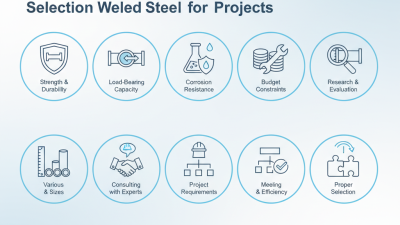
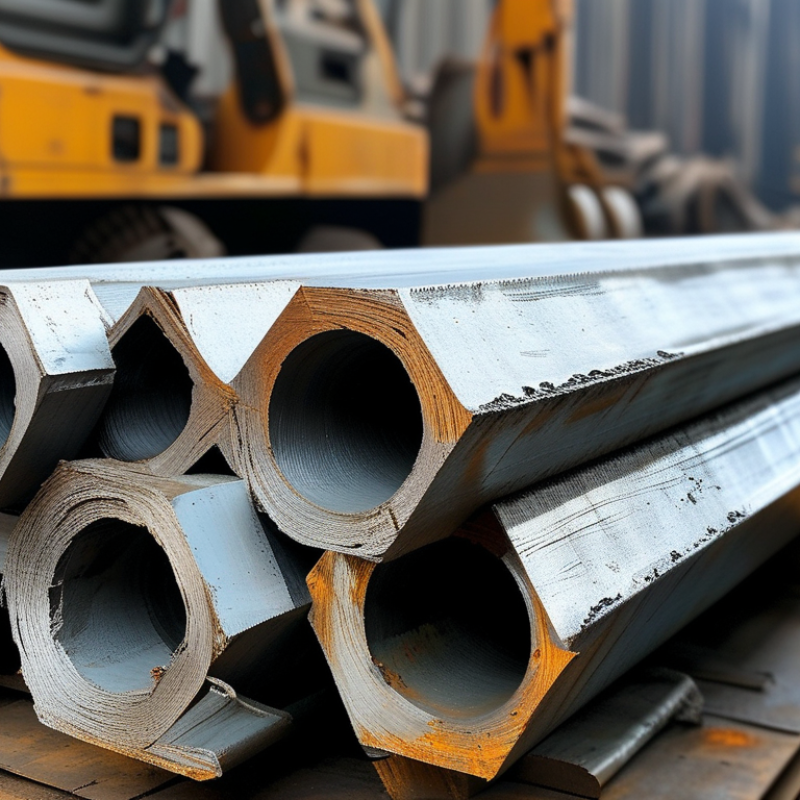
When considering carbon steel angles, buyers should focus on several key characteristics. The first is strength and durability. Carbon steel angles are designed to withstand high loads and harsh conditions. Their robust nature makes them suitable for construction, manufacturing, and infrastructure projects.
Another important aspect is corrosion resistance. While carbon steel can rust, treatments such as galvanization can enhance its longevity. Buyers should look for suppliers who offer treated options. This adds an extra layer of protection, especially in demanding environments.
Lastly, it's essential to evaluate the dimensional accuracy. Precise measurements are crucial for effective integration into projects. Poorly sized angles can lead to structural issues and increased costs. Always verify certifications and manufacturing standards with suppliers to ensure reliability and adherence to industry norms. This attention to detail can save time and resources in the long run.
Top 10 Carbon Steel Angle Suppliers in China for Global Buyers
| Supplier Rank |
Headquarters |
Annual Production (tons) |
Export Capacity (tons) |
Quality Certification |
Key Products |
| 1 |
Shanghai |
50000 |
15000 |
ISO 9001 |
L6 Angle, L8 Angle |
| 2 |
Beijing |
60000 |
16000 |
ISO 14001 |
L5 Angle, L10 Angle |
| 3 |
Guangzhou |
45000 |
14000 |
CE Mark |
L3 Angle, L9 Angle |
| 4 |
Wuhan |
70000 |
20000 |
ISO 45001 |
L1 Angle, L4 Angle |
| 5 |
Shenzhen |
52000 |
17000 |
ISO 9001 |
L2 Angle, L7 Angle |
| 6 |
Tianjin |
48000 |
13000 |
ISO 14001 |
L8 Angle, L10 Angle |
| 7 |
Chengdu |
51000 |
12000 |
CE Mark |
L5 Angle, L9 Angle |
| 8 |
Nanjing |
60000 |
16000 |
ISO 45001 |
L1 Angle, L3 Angle |
| 9 |
Hangzhou |
47000 |
11000 |
ISO 9001 |
L2 Angle, L4 Angle |
| 10 |
Xi'an |
43000 |
10500 |
CE Mark |
L6 Angle, L8 Angle |
Key Factors to Consider When Choosing Suppliers
When choosing carbon steel angle suppliers, several key factors come into play. Quality is paramount. The materials must meet industry standards and specifications. This ensures that the final products can withstand the required mechanical stresses. Buyers should request certificates of quality and check for compliance with international norms.
Pricing is another crucial element. It's tempting to go with the lowest quote. However, this can lead to compromises on quality. Suppliers should provide transparent pricing breakdowns. This helps buyers understand what they are paying for. Assessing whether the quoted price is fair based on material and service quality is vital.
Communication and support are often overlooked. Good suppliers should be responsive and willing to provide technical assistance. Language barriers can cause issues, so clear communication should be a priority. Finally, looking at past client reviews can offer insights. Genuine feedback can reveal the reliability and professionalism of the supplier, guiding informed decisions.
Overview of Leading Carbon Steel Angle Suppliers in China
China is home to numerous carbon steel angle suppliers, attracting global buyers. The country’s rich resources and skilled labor contribute to a robust manufacturing sector. These suppliers offer a variety of grades and sizes, meeting diverse client needs. Many businesses prioritize quality standards and reliable delivery, which builds trust among international clients.
The competitive landscape can be overwhelming. While many suppliers claim to deliver high-quality products, there are variances in their capabilities. Some companies may lack certifications, making it hard to gauge their expertise. Additionally, fluctuating prices due to market conditions can impact purchasing decisions. It’s essential for buyers to do in-depth research and consider supplier reviews before making commitments. Engaging directly with suppliers can uncover important details about their production processes and quality control measures.
For many companies, building relationships with suppliers takes time and effort. Regular communication and transparency are vital for successful partnerships. It’s worth noting that not all suppliers are equipped to handle large orders. Some may excel in smaller, niche markets. Therefore, a clear understanding of specific requirements is crucial for both parties.
Comparative Pricing of Carbon Steel Angles Among Suppliers
The pricing of carbon steel angles varies significantly among suppliers. A recent industry report shows that prices can range from $600 to $900 per metric ton. This variation often depends on the supplier's location, production capacity, and the grade of steel used. For instance, local suppliers in China may offer more competitive prices due to lower shipping costs and reduced tariffs.
In addition to pricing differences, quality control plays a critical role. Suppliers who invest in advanced technology and skilled workforce can often provide better consistency. According to a survey, 35% of buyers prioritize quality over price, highlighting the industry's focus on long-term relationships. However, not all suppliers maintain high standards, leading to subpar products being offered at lower prices. This creates challenges for global buyers who must navigate these varying degrees of reliability.
Understanding market trends is vital. For example, demand spiked by 15% in the construction sector this year, influencing pricing strategies. Suppliers may increase rates during periods of high demand. Conversely, during economic downturns, prices might drop to attract buyers. Staying informed about these dynamics can help buyers make smarter purchasing decisions.
Logistics and Export Considerations for Global Buyers
When sourcing carbon steel angles from China, logistics play a crucial role. Global buyers must consider shipping methods, delivery times, and customs regulations. Finding a reliable freight forwarder is essential. They can navigate complicated shipping procedures and ensure timely delivery.
Export considerations often include packaging and documentation. Proper packaging protects the material during transport. Documentation must comply with both Chinese regulations and importing country requirements. Missing paperwork can lead to delays or increased costs. It's essential to double-check these elements.
Understanding cultural differences can also aid in smoother transactions. Buyers should be aware of negotiation styles and communication practices. Building strong relationships with suppliers can enhance the overall experience. However, one must remain vigilant. Not all suppliers follow the same standards; due diligence is key.
Top 10 Carbon Steel Angle Suppliers in China for Global Buyers

 Angle Steel
 Channel Steel
 Universal Beam (l-Beam)
 H-Beam Steel
 Galvalume Steel Coil
 Galvalume Steel Sheet
 Galvanized Steel Sheet
 Color Coated Plate
 Stainless Steel Bar
 Stainless Steel Pipe
 Steel Bar
 Wire Rope
 Carbon Steel Pipe
 Carbon Steel Plate
 Aluminum Plate
 Aluminum Coil
 Aluminum Pipe
 Aluminum Bar
 Magnesium Ingot
 Fasteners