

Leave Your Message

Top Square Tube Manufacturers in China?

Choosing among the top Square Tube manufacturers in China requires more than comparing prices. Buyers should examine the details that affect fit and performance: outside dimensions, wall thickness, corner radius, weld quality, and surface finish. A tube may look straight in a warehouse photograph. Its tolerances still need checking.

Quality-management expert W. Edwards Deming is widely credited with saying, “Quality is everyone’s responsibility.” That principle applies to Square Tube sourcing: reliable results depend on material selection, production controls, inspection, and clear communication. Ask suppliers for current test documents and confirm that the stated grade, dimensions, and quantities match the order. Request sample pieces where practical. Check how bundles are labeled and protected for shipment.

Small details matter. A rough weld seam can complicate fabrication, while inconsistent wall thickness may affect assembly. Manufacturer claims deserve verification, too. A polished website is not proof of stable production. This guide compares Chinese suppliers through practical criteria, including product range, manufacturing capability, quality controls, customization, and export support. It also considers what buyers should confirm before placing an order. No ranking can replace a factory audit or sample inspection, and supplier information can change. Treat the shortlist as a starting point, not a guarantee.
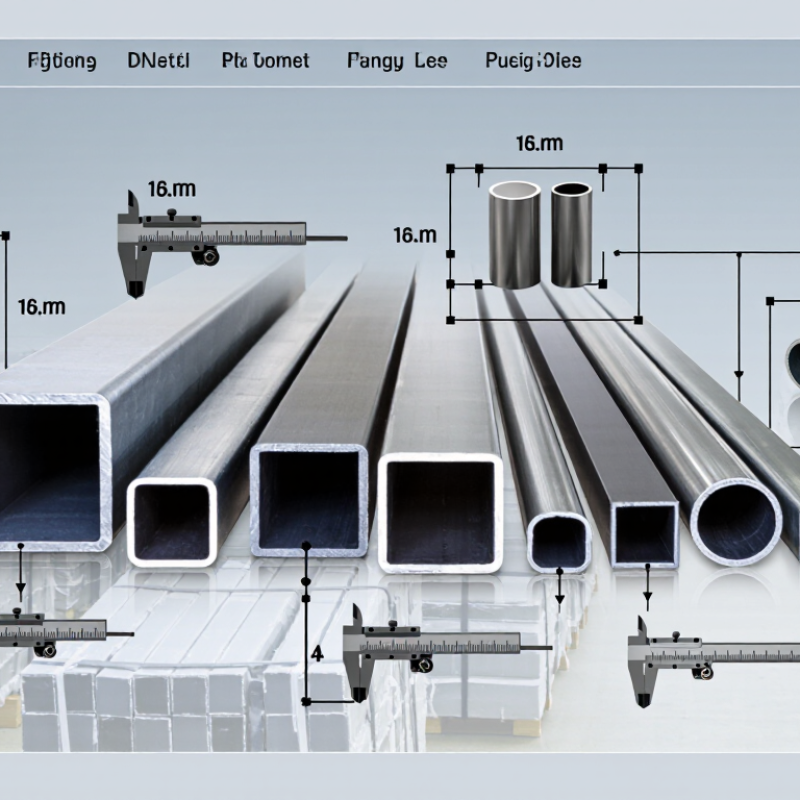
Top Square Tube Manufacturers in China?

What Are Square Tubes and Where Are They Used?

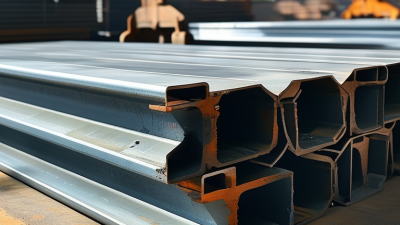
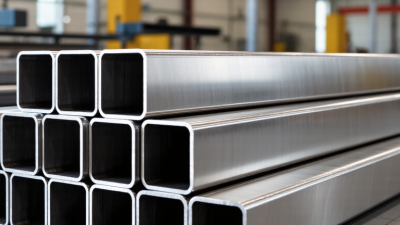
Square tubes are hollow metal sections with four flat sides and right-angle corners. They are commonly made from carbon steel, stainless steel, or aluminum. Their dimensions and wall thickness vary, so two tubes with the same outside size may perform quite differently. Many steel versions are formed from sheet and welded along a seam. That seam is usually easy to spot on a cut end.

A practical shape.

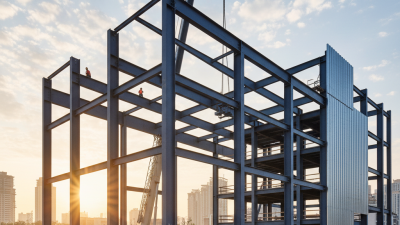
Square tubes are used in building frames, equipment supports, railings, gates, shelving, and furniture. Flat faces make them convenient to join and align, while the hollow center can reduce weight compared with a solid bar. But a neat appearance does not prove a tube is suitable for a load. Buyers and fabricators should check material grade, wall thickness, dimensions, and finish against the intended use. Outdoor projects may need corrosion protection, and cut ends may require attention too. A small mismatch can complicate assembly. This detail is easy to overlook. For structural work, a qualified engineer should confirm the design and loading requirements; general product descriptions cannot replace that review.
How Are Square Tubes Manufactured in China?

In China, square tubes are commonly made from steel strip formed into a square profile and welded along one seam. Production often begins with checking the coil’s thickness and surface, then slitting it into narrower strips. The strip passes through forming rolls, which gradually shape its edges before welding. The details matter.

After welding, sizing rolls refine the tube’s dimensions and corners. A cutting unit trims it to set lengths, while straightening helps keep each piece aligned. Mills may inspect welds, measure wall thickness, and test samples for strength or dimensions. Processes vary by material grade and equipment, so buyers should confirm the required tolerances rather than assume every factory uses identical checks. Small differences show.

Tips: Request a sample and a mill test certificate, then compare the stated grade, dimensions, and wall thickness with your order. Check the tube’s corners and seam for visible irregularities. Ask how inspection results are recorded. A document alone is not a substitute for checking the delivered product.

Which Chinese Manufacturers Produce Square Tubes?

Chinese square-tube production comes from several kinds of manufacturers: integrated steel companies with tube-forming lines, specialist welded-pipe mills, and regional factories focused on hollow structural sections. Most form square or rectangular tubes from steel strip, then weld and size them through rollers. Buyers should check whether a supplier makes the tube in-house or merely trades it. The difference can affect lead time and traceability.

Scale is substantial, but not a direct measure of square-tube capacity. World Steel Association’s World Steel in Figures 2024 reports that China produced 1,019.1 million tonnes of crude steel in 2023. That figure describes raw steel output, not finished hollow sections. Ask manufacturers for mill capacity, available dimensions, wall-thickness tolerances, steel-grade certificates, and recent inspection records. A sample cut should show a consistent wall and a clean weld seam.

A practical shortlist might include mills offering ERW square tubes for frames, racks, and building structures, plus processors that cut or galvanize finished lengths. Request a quotation against one precise specification, such as 50 × 50 mm with a stated wall thickness and length. Vague requests invite vague answers. One limitation: published reports rarely separate square-tube output from broader steel-pipe production, so supplier claims need independent checking.

How Do Chinese Square Tube Manufacturers Compare?

Chinese square tube manufacturers differ less by headline capacity than by process control, documentation, and consistency between batches. The World Steel Association’s World Steel in Figures 2025 reports that China produced 1,005.1 million tonnes of crude steel in 2024, out of 1,882.6 million tonnes worldwide. That scale supports a broad supplier base. It does not prove that every factory controls tube dimensions equally well.

Compare suppliers using the same specification. Ask for wall-thickness tolerances, corner-radius limits, steel grade, coating details, and inspection records. For structural hollow sections, check whether the product is tested to the relevant standard, such as EN 10219 or ASTM A500. Request a recent mill test certificate and verify that its heat number matches the tube bundle. Small detail. Big difference. A tape measure, coating-thickness gauge, and close inspection of weld seams can reveal issues that a polished catalogue misses.

Also compare production lead time, packing, and communication before placing a large order. A low quotation may exclude testing or export packing, so compare the full delivered specification. Some suppliers may be excellent at standard sizes but less reliable with custom lengths or tight tolerances. That distinction is easy to overlook. I would treat one successful sample as useful evidence, not proof that every later batch will match.

What Factors Matter When Choosing a Manufacturer?

Choosing a square tube manufacturer starts with the drawing, not the sales brochure. Share the required steel grade, outside dimensions, wall thickness, length, and tolerance range. Small differences matter. A 2 mm wall that arrives uneven can complicate welding or leave a frame out of square.

Ask how the manufacturer checks thickness, straightness, corner radius, and weld-seam consistency. Request recent inspection records and a sample cut from a production run, not a polished display piece.

Then assess process control and fit for your order. Can the supplier trace heat numbers from coil to bundle? Are cutting, deburring, and finishes handled in-house or by partners? Either setup can work, but responsibility should be clear. Confirm packaging, lead time, minimum order, and how damaged or out-of-tolerance tubes are documented.

A low quote may hide thin walls, loose tolerances, or freight costs. The highest price is no guarantee, either. Look closely. Compare matching specifications and review a trial batch before scaling up.

If answers remain vague, pause. A factory visit or independent inspection may reveal details paperwork misses, though no checklist can prevent every surprise.