 Angle Steel
 Channel Steel
 Universal Beam (l-Beam)
 H-Beam Steel
 Galvalume Steel Coil
 Galvalume Steel Sheet
 Galvanized Steel Sheet
 Color Coated Plate
 Stainless Steel Bar
 Stainless Steel Pipe
 Steel Bar
 Wire Rope
 Carbon Steel Pipe
 Carbon Steel Plate
 Aluminum Plate
 Aluminum Coil
 Aluminum Pipe
 Aluminum Bar
 Magnesium Ingot
 Fasteners
Leave Your Message
-
Phone:+86-18365798883
-
E-mail:admin@sdxyy.cn
-
Whatsapp:+8618365798883
-
WeChat

In 2026, the best Stainless Plate is not automatically the most expensive or corrosion-resistant option. Buyers need to match grade, thickness, finish, and fabrication needs to the job. A plate for a food-processing washdown area faces different conditions from one used in a dry equipment enclosure. Small details matter: chloride exposure, weld seams, cleaning chemicals, and the direction of surface finishing can all affect performance.
Market scale makes careful selection worthwhile. World Stainless reported that global stainless steel melt-shop production reached about 62 million tonnes in 2024, up roughly 7% from 2023. This production data shows the industry’s scale, but it does not predict which grade will suit a particular project. Nickel Institute technical guidance likewise stresses selecting stainless steel for its service environment, rather than relying on a grade name alone. Buyers should compare common options such as 304 and 316, while considering ferritic grades where cost, formability, or magnetic properties matter. Duplex grades can offer higher strength, but fabrication requirements deserve close review. There is no universal winner.
A practical shortlist should include the operating environment, required standards, available thicknesses, and supplier documentation. Request mill test certificates and confirm that the specified grade and dimensions match the purchase order. Then check whether the finish will meet cleaning or appearance needs. Easy to overlook. Price comparisons can mislead when they omit fabrication, maintenance, or delivery costs. Even experienced buyers sometimes specify too much—or too little. The sections ahead compare plate types by performance, applications, and purchasing trade-offs, so buyers can make a decision grounded in evidence, not habit.
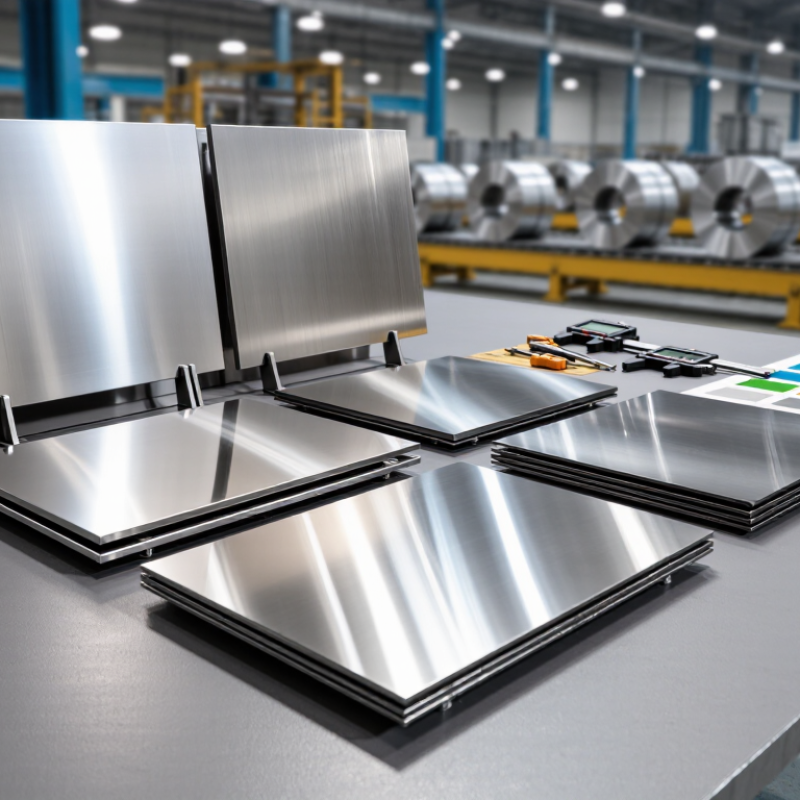
Under ASTM A480/A480M, stainless plate is at least 4.76 mm thick and 254 mm wide. These are minimum dimensions, not a grade or performance guarantee. The standard sets general requirements for stainless flat-rolled products; buyers must also specify the alloy grade and applicable product specification. That distinction matters. A plate can meet the dimensional definition yet still be unsuitable for a wet, salty service environment.
Check the purchase order and mill test certificate against thickness, width, finish, and heat number. Ask whether dimensions are nominal or guaranteed after processing. Measure a cut edge with a calibrated gauge; surface scale can confuse quick checks. Small detail. ASTM tolerances matter, too, so a nominal 6 mm order is not a promise of exactly 6.00 mm.
The International Stainless Steel Forum reported 62.6 million tonnes of global stainless crude steel output in 2024. Production rose 7.0% year over year. That global figure does not confirm local availability or delivery timing. Compare mill documentation, not just a quote line reading “stainless plate.” One point buyers can overlook: minimum width affects cutting plans and scrap, even when the grade is correct.
ASTM A480 plate definition: at least 4.76 mm thick and 254 mm wide. Compare common stainless plate types by typical use, corrosion behavior, and purchasing considerations.
| Stainless Plate Type | Typical Grade | General Characteristics | Common Applications | Buyer Considerations |
|---|---|---|---|---|
| Austenitic, general-purpose | 304 / 304L | Good general corrosion resistance and formability. The low-carbon 304L grade is commonly selected when reduced risk of sensitization after welding is important. | Food-processing equipment, architectural panels, tanks, and general fabrication. | A practical starting point for indoor or mildly corrosive service. It is not usually the preferred choice for sustained exposure to seawater or chloride-rich environments. |
| Austenitic, molybdenum-bearing | 316 / 316L | Contains molybdenum, which generally improves resistance to pitting and crevice corrosion compared with 304 in chloride-containing conditions. 316L has lower carbon. | Chemical-processing equipment, coastal structures, marine fittings, and pharmaceutical or food-processing equipment. | Consider where chloride exposure is a concern, but confirm suitability for the actual chemical concentration, temperature, crevice conditions, and cleaning regime. |
| Ferritic, general-purpose | 430 | Magnetic stainless steel with useful corrosion resistance in many mild environments. It is generally less formable and weldable than common austenitic grades. | Appliance components, interior trim, equipment housings, and decorative applications. | Can be a cost-conscious choice for less demanding environments. Check forming, welding, and surface-finish requirements before specifying plate. |
| Ferritic, automotive and exhaust service | 409 | Ferritic grade commonly used where heat and exhaust-gas service are relevant. Its corrosion resistance is generally below that of 304 and 316. | Automotive exhaust systems and other selected high-temperature components. | Choose for applications designed around its service characteristics rather than as a general substitute for higher-corrosion-resistance grades. |
| Duplex stainless steel | 2205 | Duplex microstructure combines austenitic and ferritic phases. It typically offers higher strength than 304 or 316 and good resistance to chloride stress-corrosion cracking and pitting. | Pressure vessels, process equipment, tanks, and selected offshore or chemical-service components. | Evaluate design code requirements, welding procedures, heat input, and required corrosion performance. Higher strength may allow thinner designs, subject to engineering approval. |
| Martensitic, hardenable | 410 | Can be heat treated for higher hardness and strength. Corrosion resistance is generally lower than that of common 300-series austenitic grades. | Wear-resistant parts, industrial components, and selected equipment exposed to mild corrosive conditions. | Confirm the required heat-treatment condition, hardness, toughness, and corrosion environment; fabrication properties vary with condition. |
Specification note: ASTM A480/A480M covers general requirements for flat-rolled stainless and heat-resisting steel plate, sheet, and strip. Verify the applicable product specification, grade, thickness, width, finish, tolerances, and certification requirements for each order. The performance descriptions above are general guidance, not a substitute for engineering review or a corrosion assessment.