Why Choose Hot Rolled Carbon Steel for Your Next Project?
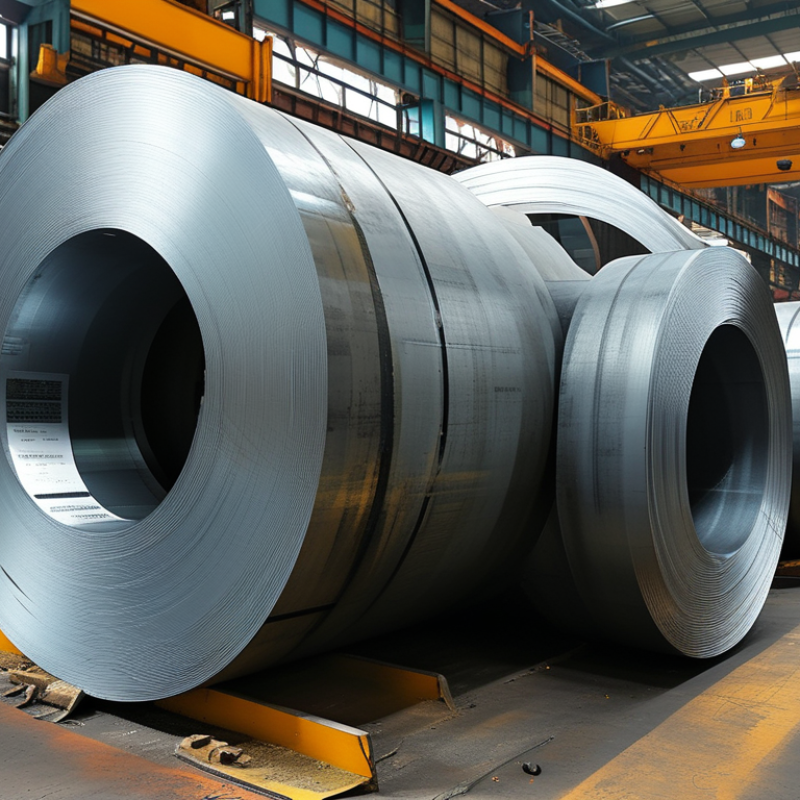
When considering materials for your next project, Hot Rolled Carbon Steel stands out as a reliable choice. According to industry reports, it accounts for over 50% of carbon steel production globally. This steel type is favored for its excellent workability and cost-effectiveness. It is often used in construction and manufacturing due to its strength and durability.
Despite its advantages, selecting Hot Rolled Carbon Steel poses challenges. Variability in yield strength can affect performance. Additionally, while it provides a smooth finish, it may not offer the same precision as cold-rolled steel. Understanding these trade-offs is vital for engineers and project managers alike.
In summary, Hot Rolled Carbon Steel is a material of choice for many applications. Its prominence in the industry is well-documented. However, critical evaluation of its properties ensures optimal use in your projects.
Benefits of Hot Rolled Carbon Steel in Construction and Manufacturing
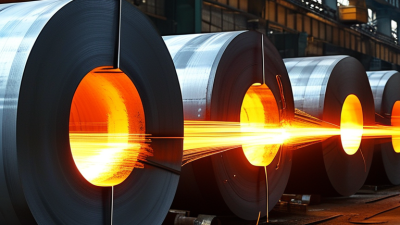
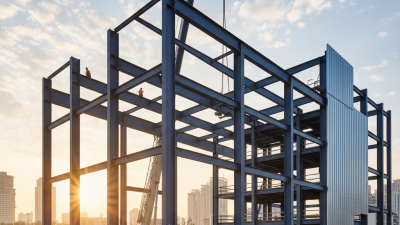
Hot rolled carbon steel is gaining popularity in construction and manufacturing. This material is favored for its strength and durability. These properties make it suitable for various applications, from structural frames to machinery parts. The heating process alters the steel's internal structure, enhancing its toughness.
One of the key benefits of hot rolled carbon steel lies in its cost-effectiveness. It is generally cheaper than cold rolled steel options. However, the rough surface finish may not always be ideal for visible applications. Projects that seek a polished look might find this a drawback.
Another aspect to consider is the availability of sizes and shapes. Hot rolled steel can be produced in large quantities, reducing wait times for projects. Nonetheless, precise dimensions may not always be guaranteed. This means careful planning is necessary. Understanding these factors can lead to better decisions in choosing hot rolled carbon steel for specific needs.
Why Choose Hot Rolled Carbon Steel for Your Next Project?
| Property |
Description |
Benefits |
| Cost-Effectiveness |
Hot rolled carbon steel is generally cheaper to produce than cold rolled steel. |
Lower material costs, beneficial for budget-conscious projects. |
| Ease of Fabrication |
Easier to shape and form due to its malleability when hot. |
Ideal for large scale constructions and custom manufacturing. |
| Strength |
High inherent tensile strength suitable for various applications. |
Provides durability and structural integrity in demanding projects. |
| Surface Finish |
Typically has a rough finish which can be beneficial for adhesion. |
Enhances bonding in coatings and paints for better longevity. |
| Availability |
Widely available and produced in large quantities. |
Easier procurement leading to shorter project timelines. |
Key Mechanical Properties of Hot Rolled Carbon Steel Explained
Hot rolled carbon steel is widely used in construction and manufacturing due to its key mechanical properties. Its strength and ductility set it apart. According to industry reports, hot rolled carbon steel typically has a tensile strength range of 400 to 550 MPa. This strength ensures it can withstand significant loads and stress during various applications.
Another important property is its yield strength, which is often around 250 MPa. This characteristic allows the material to be formed and shaped under pressure without permanent deformation. Additionally, hot rolled carbon steel offers excellent weldability, making it suitable for numerous applications in structural engineering.
Tips: Consider the specific mechanical requirements of your project. Conduct tests to ensure the selected steel grade meets these needs. Hot rolled carbon steel can also be susceptible to corrosion. Applying protective coatings may enhance its durability, especially in harsh environments. Always assess the trade-offs between strength and weight for your project's design.
Key Mechanical Properties of Hot Rolled Carbon Steel
Cost-Effectiveness of Hot Rolled Carbon Steel Compared to Other Materials
Hot rolled carbon steel is known for its cost-effectiveness compared to other materials. According to a recent industry report, hot rolled steel can be up to 20% less expensive than cold rolled steel. This price difference is crucial for budget-conscious project managers. When considering large-scale projects, these savings can accumulate significantly. The affordability of hot rolled carbon steel makes it an attractive option for many construction and manufacturing applications.
In terms of performance, hot rolled carbon steel offers durability. This material can withstand harsh conditions, making it reliable for various projects. A study by the American Iron and Steel Institute indicates that hot rolled steel maintains structural integrity under stress better than some alternatives. However, there are potential downsides. Hot rolled steel can exhibit a rough surface finish, which may not be suitable for all aesthetic applications. It’s essential to balance cost with the specific requirements of a project. Understanding these trade-offs ensures that decision-makers can choose the best material for their needs.
Industry Applications: Where Hot Rolled Carbon Steel Excels
Hot rolled carbon steel has found extensive applications across various industries. Its unique properties, such as high tensile strength and malleability, make it a favored choice in construction and manufacturing. According to the American Iron and Steel Institute, the construction sector alone utilizes about 50% of total steel production, showcasing its critical role in building infrastructure, bridges, and commercial buildings.
In automotive manufacturing, hot rolled carbon steel is essential due to its cost-effectiveness and productivity. Data from the World Steel Association suggests that over 200 million tons of steel are produced annually for vehicle production. This material’s superior performance under high stress and temperature makes it suitable for components like chassis and frames. Yet, challenges like surface imperfections can arise during production, impacting final product quality. Manufacturers must focus on rigorous quality control processes and continuous improvement to address these issues.
The energy sector also benefits from hot rolled carbon steel, especially in pipelines and machinery. The material's resistance to impact and fatigue is crucial in harsh environments, as noted in industry reports. However, it is important to consider that not all projects may require hot rolled carbon steel. Assessing specific project needs can lead to better resource allocation and optimal material use, ensuring longevity and safety in applications.
Environmental Impact and Sustainability of Hot Rolled Carbon Steel Production
Hot rolled carbon steel plays a significant role in sustainable manufacturing practices. According to data from the World Steel Association, steel recycling saves 1.5 tons of iron ore and 0.5 tons of coal for every ton of recycled steel produced. This recycling process significantly reduces the need for virgin materials. Consequently, the energy consumption associated with steel production decreases, making it a more environmentally friendly choice.
The production of hot rolled carbon steel has a notable carbon footprint. Reports indicate that the steel industry accounts for about 7% of global CO2 emissions. However, advancements in technology aim to mitigate this issue. Innovations in production methods, such as electric arc furnaces, can reduce emissions by up to 75%. Yet, the transition to greener alternatives requires substantial investment and commitment from the industry as a whole. Continuous development is crucial to minimize the process's environmental impact.
Additionally, while hot rolled carbon steel is favored for its structural benefits, the environmental costs must be acknowledged. Its production is energy-intensive and often reliant on fossil fuels. Stakeholders should reflect on how they can adopt practices that harness cleaner energy sources. This approach can significantly enhance the sustainability of carbon steel projects while addressing the industry's environmental challenges.

 Angle Steel
 Channel Steel
 Universal Beam (l-Beam)
 H-Beam Steel
 Galvalume Steel Coil
 Galvalume Steel Sheet
 Galvanized Steel Sheet
 Color Coated Plate
 Stainless Steel Bar
 Stainless Steel Pipe
 Steel Bar
 Wire Rope
 Carbon Steel Pipe
 Carbon Steel Plate
 Aluminum Plate
 Aluminum Coil
 Aluminum Pipe
 Aluminum Bar
 Magnesium Ingot
 Fasteners