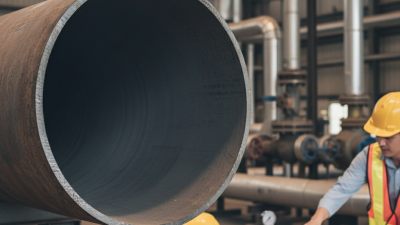
Top Seamless Steel Pipe Suppliers for Global Buyers?
In today's global market, sourcing quality Seamless Steel Pipe is crucial for various industries. These pipes are known for their superior strength and durability, making them ideal for oil and gas, construction, and manufacturing sectors. However, not all suppliers maintain the same standards. Buyers need to identify top suppliers who provide reliable products.
Choosing the right seamless steel pipe supplier requires careful evaluation. Factors such as material quality, manufacturing processes, and customer service matter significantly. Quality assurance is non-negotiable. Many suppliers claim to offer the best, but their track records often reveal inconsistencies.
As a buyer, it's essential to trust your sources. Conduct thorough research and seek testimonials from other customers. This can reveal both strengths and weaknesses in suppliers. Understanding the complexities of the global manufacturing landscape is necessary. Quality, cost, and ethical practices must align with your business goals. Consider the potential risks involved in your supply chain.
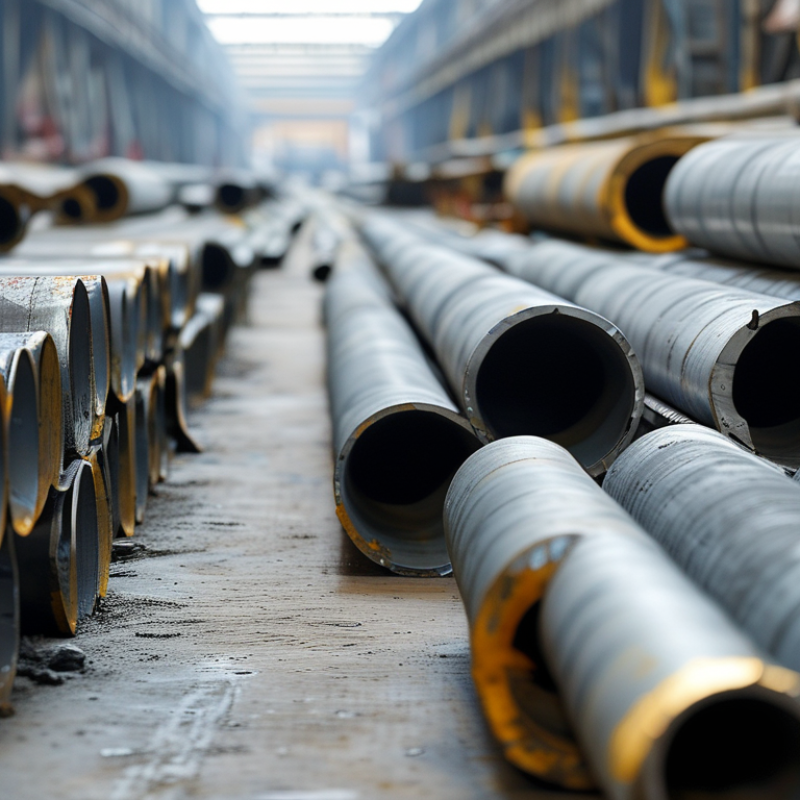
Top Characteristics of Seamless Steel Pipes for Buyers
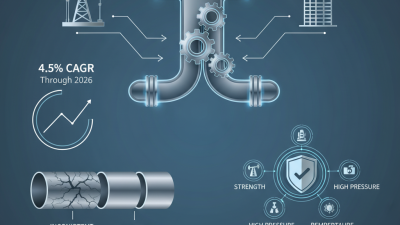
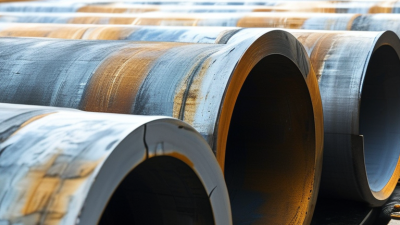
Seamless steel pipes are essential in various industries, including construction, automotive, and oil & gas. Their production process offers several advantages. The absence of seams makes these pipes stronger and less prone to leaks. According to recent industry reports, seamless pipes can handle higher pressures than welded ones. This characteristic is critical in high-risk applications, such as offshore drilling or high-temperature environments.
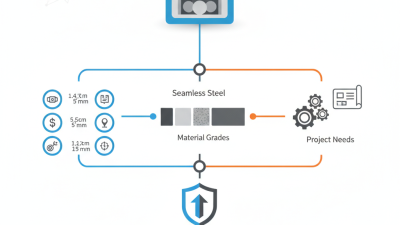
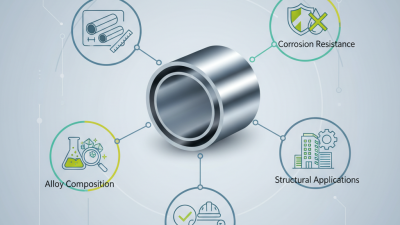
Another key attribute of seamless steel pipes is their superior corrosion resistance. The manufacturing process results in a dense material with fewer defects, which minimizes the likelihood of corrosion. Studies show that seamless pipes have a lifespan that can exceed 30 years in harsh conditions. Buyers should understand the grading and composition specifications to ensure they meet their needs.
Tips: Always request detailed certifications before purchasing. Consider the pipe's grade and stainless steel components. Seek suppliers with rigorous quality control measures, as this influences performance. Imperfect products can lead to failures, posing safety risks. Ensure that your supplier provides adequate support and warranty options to address any potential issues. Remember, making informed decisions is crucial in maintaining safety and efficiency in operations.
Key Factors to Consider When Choosing Pipe Suppliers
When selecting seamless steel pipe suppliers, several key factors should be considered to ensure optimal performance and quality. First, evaluate the supplier's manufacturing capabilities. According to recent industry reports, approximately 55% of buyers reported quality issues due to inadequate production techniques. Suppliers with advanced technology and skilled labor produce pipes with better reliability.
Another important criterion is the supplier's adherence to international standards. Compliance with ASTM, ASME, and ISO certifications indicates that the supplier maintains rigorous quality control. It’s crucial to check these certifications, as they can greatly affect the durability and safety of the pipes used in critical applications. A study highlights that 70% of project delays stem from issues related to material quality.
Tips: Always request samples before placing large orders to assess quality firsthand. Also, consider suppliers that provide transparency in their sourcing processes. It fosters trust and allows for better risk management.
Lastly, evaluate customer support and after-sales service. A responsive and knowledgeable support team can address issues quickly. A lack of support can lead to costly downtime, affecting project timelines. Seeking suppliers with proven customer service records can mitigate these risks significantly.
Top Seamless Steel Pipe Suppliers for Global Buyers
The chart below illustrates the annual production (in tons) of seamless steel pipes by various suppliers categorized by region. This data can help buyers make informed decisions when choosing pipe suppliers based on production capacity.
Leading Global Suppliers of Seamless Steel Pipes
In the global market, seamless steel pipes are vital for various industries, including oil and gas, construction, and automotive. According to recent industry reports, the global seamless steel pipe market is expected to grow substantially, reaching an estimated value of over $90 billion by 2030. This growth is driven by the increasing demand for high-quality materials that can withstand extreme conditions.
Leading suppliers of seamless steel pipes play a crucial role in meeting this demand. They are known for producing high-grade materials characterized by strength and durability. For example, seamless pipes offer better resistance to pressure than welded types, making them essential for high-stress environments. Despite their advantages, supply chain issues remain a challenge. Delays in production or transportation can hinder the timely availability of these products, reflecting a need for improved logistics management within the sector.
The competitive landscape is influenced by technological advancements and innovation in manufacturing processes. However, quality control is often an area that requires reflection. Some suppliers have faced criticism for inconsistent quality standards, which can impact overall project performance. As the industry evolves, maintaining rigorous quality assurance practices becomes increasingly important for suppliers aiming to establish trust with global buyers.
Comparative Analysis of Pricing Among Top Suppliers
When evaluating seamless steel pipe suppliers, pricing stands as a critical factor for global buyers. Understanding the nuances of pricing can save significant costs. Factors contributing to these prices include raw material quality, manufacturing processes, and supplier location. As different suppliers adopt various pricing strategies, it’s essential to conduct a careful analysis.
Comparing prices among top suppliers can reveal hidden costs. A lower price might indicate compromised quality or additional shipping fees. Buyers should scrutinize the total cost of ownership, not just the upfront price. Current market trends also influence pricing; therefore, staying informed is crucial. Price fluctuations may occur due to changes in demand, tariffs, or production challenges.
Buyers often overlook long-term reliability over initial costs. Some suppliers may offer cheaper options but fail to meet delivery schedules. This can lead to project delays and increased expenses down the line. Therefore, creating a balanced perspective between cost and quality is essential. Buyers must prioritize strategic partnerships with suppliers that uphold consistent standards while providing competitive prices.
Trends Impacting the Seamless Steel Pipe Market Globally
The seamless steel pipe market faces significant trends shaping its global evolution. Increasing demand in industries like oil and gas is a crucial factor. According to a recent market report, the seamless steel pipe market is expected to grow by 6% annually through 2026. This growth is driven by enhanced infrastructure projects and energy sector investments.
Another vital trend is the push for sustainability. Companies are focusing on producing eco-friendly materials. The market is seeing a rise in the use of recycled materials, which can reduce production costs and environmental impacts. However, challenges remain. Many manufacturers struggle with the transition to greener processes, often leading to inconsistent product quality.
Technological advancements also play a pivotal role. Innovations in manufacturing improve efficiency and reduce costs. Some reports indicate that automation and advanced metallurgy can boost production rates by up to 30%. Despite this, not all suppliers can keep pace with these changes. This disparity can lead to inefficiencies and supply chain vulnerabilities, affecting market stability. Addressing these issues becomes essential for suppliers aiming to compete globally.

 Angle Steel
 Channel Steel
 Universal Beam (l-Beam)
 H-Beam Steel
 Galvalume Steel Coil
 Galvalume Steel Sheet
 Galvanized Steel Sheet
 Color Coated Plate
 Stainless Steel Bar
 Stainless Steel Pipe
 Steel Bar
 Wire Rope
 Carbon Steel Pipe
 Carbon Steel Plate
 Aluminum Plate
 Aluminum Coil
 Aluminum Pipe
 Aluminum Bar
 Magnesium Ingot
 Fasteners